The American cockroach is the largest common cockroach species in the US, growing up to 2 inches long. Often called 'palmetto bugs' or 'water bugs,' these roaches thrive in dark, damp areas and can fly short distances — making encounters especially alarming. Here's how to eliminate them and keep them out for good.
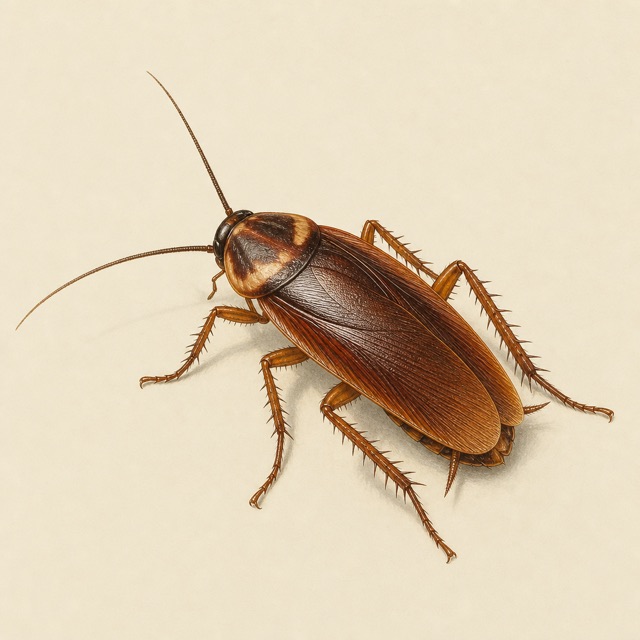
American cockroaches are large, reddish-brown roaches measuring 1.5 to 2 inches long. They have a distinctive yellowish figure-eight or shield-shaped marking on the pronotum behind the head. Both males and females have fully developed wings and can fly short distances, especially in warm weather.
Similar Pests
Smokybrown cockroaches are similar in size but uniformly dark brown without the yellow head marking. Oriental cockroaches are smaller, darker, and cannot fly. Wood roaches are lighter in color and primarily outdoor pests.
Signs of Infestation
- •Large droppings with blunt ends and ridges, often found in basements and behind appliances
- •Dark brown egg cases (oothecae) about 3/8 inch long glued to surfaces near food sources
- •A strong musty or oily odor in heavily infested areas
- •Large roaches seen at night in kitchens, bathrooms, basements, or near drains
Key Inspection Areas
- •Basement and crawl space areas, especially near floor drains and sump pumps
- •Around hot water heaters, boilers, and steam pipes
- •In sewer access points, floor drains, and around plumbing entry points
- •Under sinks, in cabinets, and behind large appliances in kitchens and laundry rooms
When to Inspect
Inspect after dark when American cockroaches are most active. Focus on humid areas with temperatures above 70F. Check drains and sewer access points, as these roaches commonly travel through sewer systems into buildings.
Inspection Tools
Flashlight, sticky monitor traps, mirror for checking behind pipes and appliances, drain covers to check for sewer entry
Identify the species and entry points
Confirm the reddish-brown color and large size (1.5-2 inches). American cockroaches typically enter from sewers, drains, or exterior gaps — not from grocery bags like German cockroaches.
Seal sewer and drain entry points
Install drain screens on all floor drains. Seal gaps around plumbing pipes with expanding foam or steel wool and caulk. This is often the single most important step for American cockroach control.
Apply gel bait in harborage areas
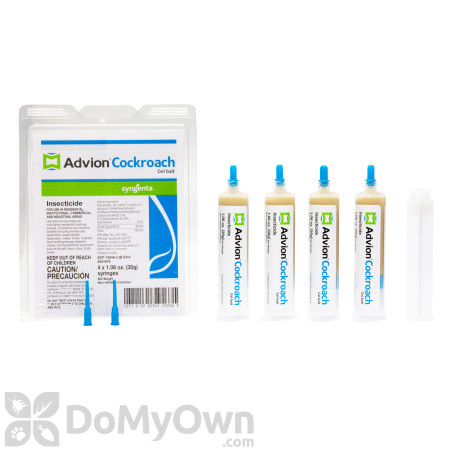
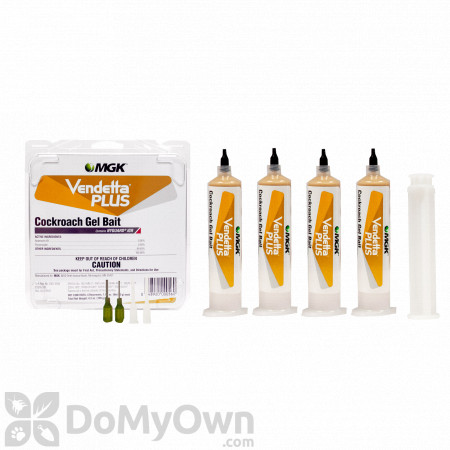
Place Advion or Vendetta gel bait in cracks near drains, behind appliances, along baseboards in basements, and around hot water heaters. Apply small dots every 12-18 inches.
Treat the perimeter with residual spray
Apply a bifenthrin or cyfluthrin-based spray around the exterior foundation, 3 feet up and 3 feet out. Also spray around doorframes, garage entries, and window wells.
Dust wall voids and crawl spaces
Apply boric acid dust or Delta Dust in wall voids, behind electrical plates, and throughout crawl spaces. Dust provides long-lasting residual control in areas sprays can't reach.
Reduce moisture throughout the home
Fix leaking pipes, improve basement ventilation, and run dehumidifiers. American cockroaches need water more than food — eliminating moisture sources makes your home inhospitable.
Monitor with sticky traps monthly
Place glue board monitors near drains, in basements, and behind appliances. Check monthly. If catches continue after 30 days, reapply bait and recheck exclusion points.
- 1Seal gaps around pipes, drains, and utility entry points with steel wool and caulk
- 2Install mesh screens or drain covers on floor drains to block sewer access
- 3Reduce moisture by fixing leaks, using dehumidifiers, and improving ventilation in basements and crawl spaces
- 4Store firewood and debris away from the house foundation
- 5Apply residual perimeter spray around the foundation exterior seasonally
- 6Keep outdoor trash cans sealed and away from entry doors
Seasonal Note
American cockroaches move indoors during fall as temperatures drop. Apply perimeter treatment in late summer to prevent seasonal invasions. Check sewer access points before cold weather arrives.
Are American cockroaches dangerous?
They carry bacteria including Salmonella, Staphylococcus, and Streptococcus. Their droppings and shed skins trigger asthma and allergies. They contaminate food and surfaces as they travel between sewers and living spaces.
Can American cockroaches fly?
Yes. American cockroaches can fly short distances, especially in warm weather above 85F. They tend to glide downward from high perches rather than sustain true flight.
Why do I only see one at a time?
Seeing even one American cockroach indoors usually indicates they're entering from outside or the sewer. Unlike German cockroaches, they don't always indicate a large indoor colony, but you should still treat to prevent establishment.
Do American cockroaches come up through drains?
Yes, this is one of their primary entry routes. They live in sewer systems and enter through floor drains, toilet connections, and gaps around plumbing. Drain screens and regular drain maintenance are essential prevention measures.
What's the difference between an American cockroach and a palmetto bug?
They're the same insect. 'Palmetto bug' is a regional nickname used primarily in the southeastern US. American cockroach is the correct common name for Periplaneta americana.
Quick Facts
- Size
- 1.5 - 2 inches
- Color
- Reddish-brown with a yellowish figure-eight pattern behind the head
- Habitat
- Sewers, basements, crawl spaces, and damp indoor/outdoor areas
- Active Season
- Year-round, most active in warm months
Danger Level: High
This pest poses significant health or property risks. Act quickly and consider professional help.
Top Products
Recommended for How to Get Rid of American Cockroaches: Complete 2025 Guide
View All Products →