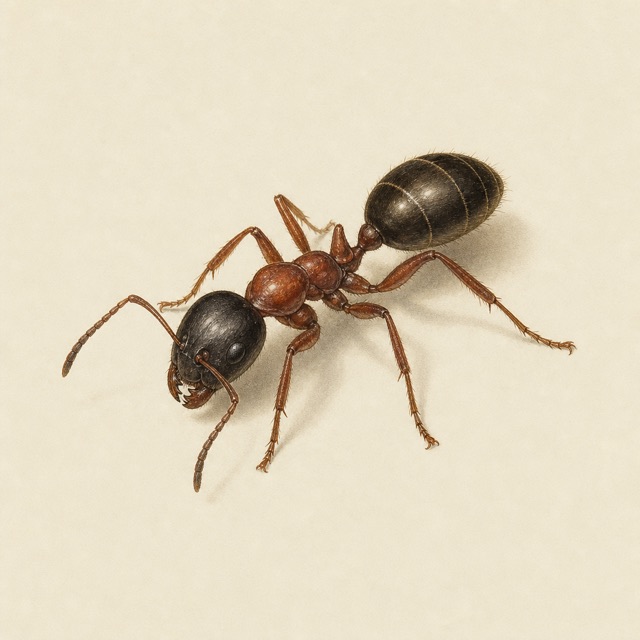
Ants are the most common household pest in the US, affecting over 90% of homes at some point. The key to elimination isn't spraying them — it's targeting the colony with bait. Here's how to do it right.
Common household ants range from 1/16 to 1/2 inch depending on species. Most are black or brown with segmented bodies, 6 legs, bent antennae, and a narrow waist between thorax and abdomen. Workers are wingless; reproductive swarmers have wings.
Similar Pests
Termites have straight antennae, thick waists, and equal-length wings. Ants have bent antennae, narrow waists, and longer front wings than hind wings.
Signs of Infestation
- •Trails of worker ants following scent paths to food sources
- •Small piles of fine sawdust (frass) if carpenter ants are excavating wood
- •Winged swarmers near windows or light sources during mating season
- •Discarded ant wings near baseboards after mating flights
Key Inspection Areas
- •Kitchen cabinets and pantry shelves near food sources
- •Along baseboards and wall edges where trails form
- •Around sinks, dishwashers, and plumbing entry points
- •Foundation cracks and gaps around windows/doors where colonies enter
When to Inspect
Inspect during spring and summer when ant activity peaks. Check at night when some species are most active. Trails are most visible when following active foraging workers.
Inspection Tools
Flashlight for following trails, magnifying glass for species identification, moisture meter for finding damp areas attracting carpenter ants
Identify the ant species
Look for: tiny black/brown ants (odorous house ants), red fire ants outdoors, large black carpenter ants in wood. Species determines treatment.
Stop spraying repellent sprays
Raid and similar sprays kill on contact but scatter the colony, making elimination harder. Stop using them immediately.
Set up ant bait stations
Place TERRO liquid bait stations along ant trails near entry points. Worker ants carry the bait back to the queen and wipe out the colony in 1–2 weeks.
Treat the perimeter
Apply a bifenthrin-based product (Talstar P) around your foundation, 3 feet up and 3 feet out. Creates a barrier they can't cross.
Seal entry points
Caulk gaps around pipes, windows, and door frames. Ants can enter through cracks as small as 1/16 inch.
Eliminate food sources
Store food in airtight containers, wipe down counters, and don't leave pet food out. A single breadcrumb can attract hundreds of ants.
Monitor and repeat
Reapply bait if ants ignore it (try a different flavor). Most infestations are eliminated within 2–4 weeks.
- 1Apply granular ant bait around foundation perimeter in early spring before colonies grow large
- 2Seal cracks and gaps around windows, doors, pipes, and utility entry points with silicone caulk
- 3Store all food in airtight glass or hard plastic containers; never leave food out overnight
- 4Fix leaky pipes, faucets, and moisture issues that attract ants
- 5Trim tree branches and shrubs away from house to eliminate ant highways
- 6Keep kitchen counters, floors, and sinks clean and dry — wipe up spills immediately
Seasonal Note
Spring prevention is critical — ant colonies grow exponentially in warm months. Treat perimeter before you see trails indoors.
Why do ants keep coming back?
If you only kill foragers with spray, the queen keeps producing more. Bait is the only way to kill the queen and collapse the colony permanently.
Are ants dangerous?
Most household ants are just nuisances. Fire ants can sting severely. Carpenter ants can damage wood structures over time but don't eat wood like termites.
How long does ant bait take to work?
Liquid borax bait like TERRO typically shows results in 3–7 days, with full colony elimination in 1–2 weeks. Patience is critical — don't disturb the bait.
What attracts ants?
Food (especially sweets and proteins), moisture, and shelter. A clean kitchen is your best prevention. Leaky pipes and standing water also attract ants.
Can I use vinegar to kill ants?
Vinegar disrupts ant scent trails temporarily but doesn't kill the colony. It's fine as a short-term deterrent but won't solve an infestation.
Quick Facts
- Size
- 1/16 - 1/2 inch
- Color
- Black, brown, red
- Habitat
- Soil, wood, indoors
- Active Season
- Spring - Fall
Danger Level: Low
This pest is primarily a nuisance but can be eliminated with DIY methods.
Top Products
Recommended for How to Get Rid of Ants: Complete 2025 Guide
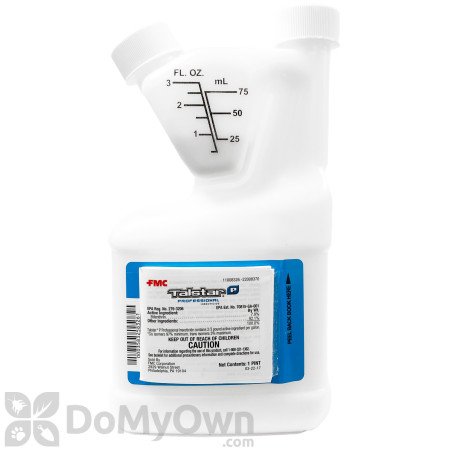
FMC
Talstar P Professional Insecticide
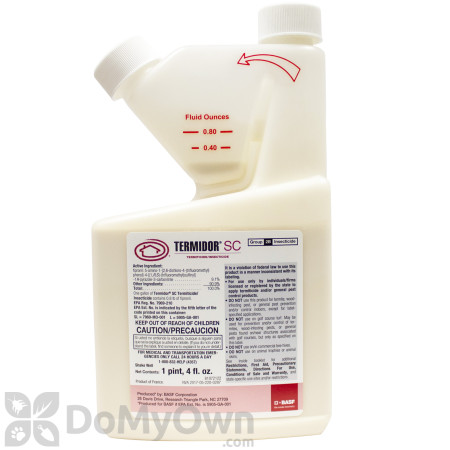
BASF
Termidor SC Termiticide
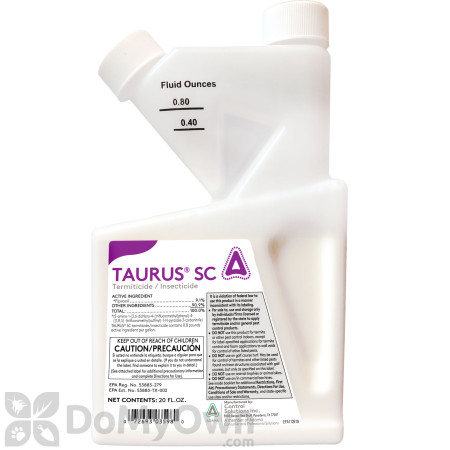
Control Solutions
Taurus SC Termiticide and Insecticide