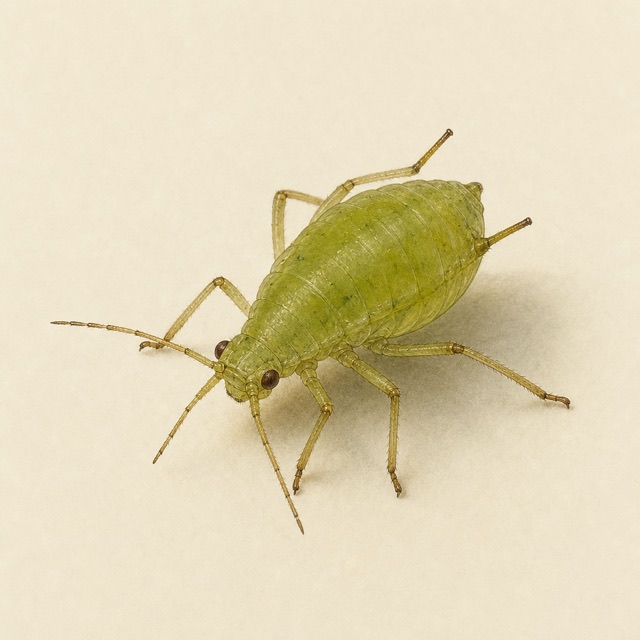
Those tiny clusters of soft-bodied insects covering your roses and tomato plants aren't just unsightly—they're aphids, and they're draining the life from your garden one plant at a time. These prolific pests can produce multiple generations in weeks, turning a small problem into an infestation that causes stunted growth, curled leaves, and disease transmission. The good news? Aphids are among the easiest pests to control when you catch them early.
Aphids are tiny (1/16 to 1/8 inch), soft-bodied, pear-shaped insects. Most are green, but colors include black, brown, pink, yellow, or white. They have long antennae, two tube-like cornicles projecting from their rear, and may be winged or wingless.
Similar Pests
Whiteflies are smaller, always white, and fly when disturbed. Aphids are slower-moving and come in many colors. Scale insects are immobile once settled; aphids walk on plants.
Signs of Infestation
- •Clusters of small insects on new growth, undersides of leaves, and stems
- •Sticky honeydew coating on leaves and surfaces below infested plants
- •Black sooty mold fungus growing on honeydew deposits
- •Curled, yellowed, or distorted plant leaves from feeding damage
- •Presence of ants farming aphids for honeydew
Key Inspection Areas
- •Undersides of new leaves and tender shoots
- •Stem joints and flower buds where sap is concentrated
- •Growing tips of roses, vegetables, and ornamental plants
- •Around ant trails (ants farm aphids for honeydew)
When to Inspect
Inspect in early morning or late afternoon. Check weekly during active growing season (spring through fall). Aphids reproduce rapidly, so early detection is critical.
Inspection Tools
Magnifying glass for identifying species and eggs, sticky cards to monitor flying adults, hand lens to inspect undersides of leaves
Blast Them Off With Water
Start with the simplest solution: a strong stream of water from your garden hose. Focus on the undersides of leaves where aphids congregate, and spray infested plants every 2-3 days. This method physically removes aphids and disrupts their feeding, and most won't be able to climb back up. It's particularly effective for sturdy plants like roses, tomatoes, and fruit trees.
Apply Insecticidal Soap or Neem Oil
For persistent infestations, use Bonide Insecticidal Soap or Safer Brand Neem Oil, which kill aphids on contact by breaking down their protective coating. Spray thoroughly, covering both tops and undersides of leaves, and apply in early morning or evening to avoid leaf burn. Repeat applications every 5-7 days until aphids are gone. These organic options are safe for vegetables and won't harm beneficial insects once dried.
Introduce Natural Predators
Release ladybugs, lacewings, or parasitic wasps to create a long-term biological control system in your garden. You can purchase these beneficial insects online or from garden centers—1,500 ladybugs can protect a typical home garden. Release them in the evening near infested plants and provide water sources to encourage them to stay. A single ladybug can eat up to 50 aphids per day.
Use Systemic Insecticides for Serious Cases
For severe infestations on ornamentals, apply Bonide Systemic Insect Control or BioAdvanced 3-in-1 Insect, Disease & Mite Control at the soil line. The plant absorbs the active ingredient (imidacloprid) through roots, poisoning aphids when they feed. This provides 8-12 weeks of protection but should NOT be used on edible plants or flowering plants that attract pollinators.
Remove Heavily Infested Plant Parts
Prune and dispose of severely infested leaves, stems, or shoots in sealed bags—don't compost them. This immediately reduces aphid populations and removes honeydew (the sticky residue they excrete) that attracts ants and promotes sooty mold. Use clean pruning shears and disinfect between cuts with rubbing alcohol to prevent spreading disease.
Control Ant Populations
Ants farm aphids for their honeydew and protect them from predators, so breaking this relationship is crucial. Apply TERRO Liquid Ant Baits or Amdro Ant Block around the base of affected plants. Once ants are gone, natural predators can access aphids more easily, and populations typically decline within a week.
Plant Aphid-Repelling Companions
Interplant catnip, garlic, chives, onions, or marigolds among susceptible plants to naturally deter aphids. These companion plants emit scents or compounds that repel aphids while attracting beneficial insects. Plant nasturtiums as a trap crop—aphids prefer them and will congregate there, keeping them away from your prized plants.
Maintain Plant Health and Monitor Regularly
Avoid over-fertilizing with nitrogen, which produces the tender new growth aphids love—use balanced fertilizers instead. Check the undersides of leaves weekly during growing season, especially on new growth. Remove weeds that serve as alternate aphid hosts, and water plants properly to reduce stress. Healthy, vigorous plants resist aphid damage much better than stressed ones.
- 1Spray plants with strong water stream weekly to dislodge aphids before populations explode
- 2Introduce beneficial insects like ladybugs, lacewings, and parasitic wasps to control aphids naturally
- 3Apply insecticidal soap or neem oil spray at first sign of aphids (repeat every 7 days)
- 4Avoid over-fertilizing with nitrogen — lush new growth attracts aphids
- 5Use reflective mulch (aluminum foil) around vulnerable plants to repel aphids
- 6Inspect new plants before bringing into garden to avoid introducing aphids
Seasonal Note
Aphid populations peak in spring and early summer when plants produce tender new growth. Monitor new growth weekly.
Why do I suddenly have so many aphids?
Aphids reproduce incredibly fast—females give birth to live young without mating, and each can produce 80 offspring in a week. A small unnoticed population can explode into thousands within a month, especially during warm spring weather when plants are producing tender new growth. Drought stress, over-fertilization with nitrogen, and lack of natural predators all contribute to population booms.
Are aphids harmful to humans or pets?
No, aphids don't bite, sting, or transmit diseases to humans or animals. They're plant pests exclusively, feeding on sap with piercing-sucking mouthparts. The main concern is the damage they cause to your plants and the sticky honeydew they produce, which can drip onto furniture, cars, or walkways beneath infested trees and shrubs.
Will aphids come back after treatment?
Aphids can return if winged adults fly in from neighboring plants or if you haven't addressed underlying issues like ant farming or stressed plants. That's why prevention is key—maintain plant health, encourage beneficial insects, and monitor regularly. If you spot a few aphids, act immediately before populations explode. Most gardens experience some aphid pressure each season, but proper management keeps them in check.
Can I use dish soap to kill aphids?
While homemade dish soap sprays (1-2 teaspoons per quart of water) can work, they're risky because dish soaps vary in strength and can burn plant leaves. Commercial insecticidal soaps like Safer Brand or Bonide are specifically formulated for plants and much more reliable. If you try DIY soap spray, test it on a few leaves first and use only pure liquid soap without degreasers, fragrances, or antibacterial additives.
What's the white stuff on aphids?
That fuzzy white coating is woolly or cottony wax secreted by certain aphid species for protection from predators and weather. Woolly aphids are common on apple trees, elms, and conifers. The wax makes them harder to control with contact sprays, so you may need systemic treatments or stronger water pressure to remove them. Some people also mistake the white shells of molted aphid skins for a fungal problem.
Quick Facts
- Size
- 1/16 - 1/8 inch
- Color
- Green, black, yellow, pink, white, or gray
- Habitat
- Undersides of leaves, new plant growth, stems, and buds of garden plants, ornamentals, and vegetables
- Active Season
- Spring through fall, peak in late spring and early summer
Danger Level: Medium
This pest can cause health issues or property damage if left untreated.
Top Products
Recommended for How to Get Rid of Aphids: Complete Guide
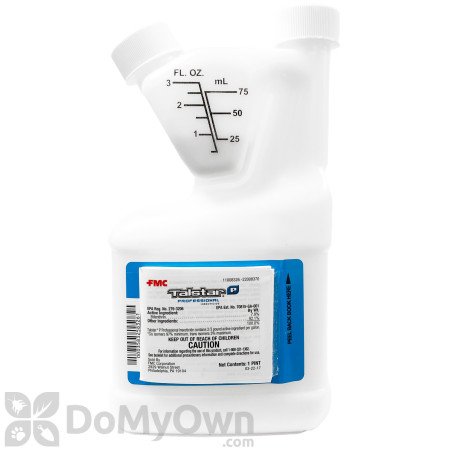
FMC
Talstar P Professional Insecticide
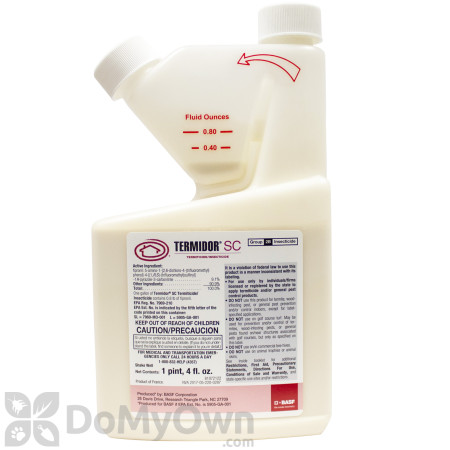
BASF
Termidor SC Termiticide
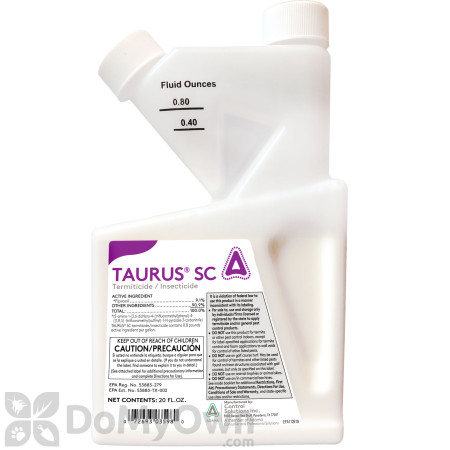
Control Solutions
Taurus SC Termiticide and Insecticide