Asian lady beetles swarm into homes by the hundreds each fall, looking for warm places to overwinter. Unlike beneficial native ladybugs, they bite, stain surfaces, and release a foul odor when disturbed. Here's how to stop them.
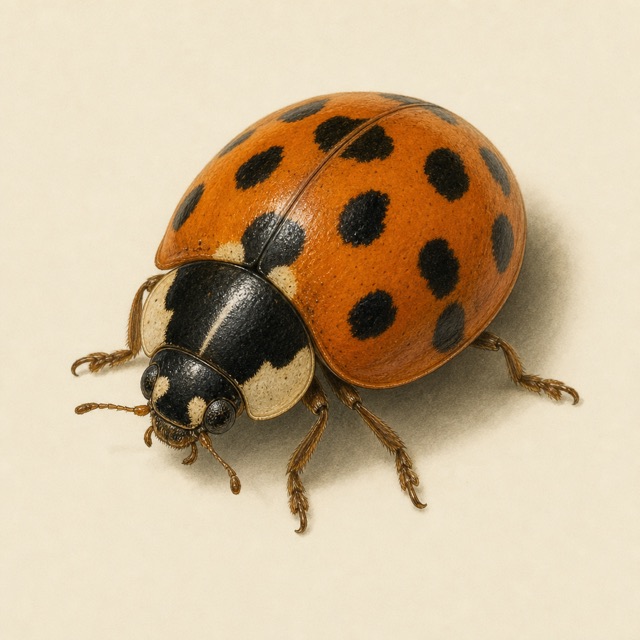
Asian lady beetles look similar to native ladybugs but have a distinctive M or W-shaped marking behind the head. They range from pale orange to deep red with 0-19 black spots. Unlike native species, they often congregate in large swarms and have a distinctly longer, more oval body shape.
Similar Pests
Native ladybugs are smaller, rounder, and don't swarm indoors. Box elder bugs are black with red markings and longer bodies. Carpet beetles are much smaller and have fuzzy, mottled patterns.
Signs of Infestation
- •Hundreds of beetles clustering on sun-facing exterior walls in fall
- •Yellow staining on walls and fabrics from defensive secretions
- •Musty, acrid odor when beetles are disturbed or crushed
- •Dead beetles accumulating in window sills and light fixtures
Key Inspection Areas
- •South and west-facing exterior walls on warm fall afternoons
- •Window frames, door thresholds, and siding gaps where beetles enter
- •Attic spaces, especially around vents and soffits
- •Interior window sills and ceiling light fixtures in upper floors
When to Inspect
Peak activity is September through November on sunny days above 65°F. Beetles emerge again in March-April when indoor temperatures warm.
Inspection Tools
A flashlight for inspecting dark attic spaces and wall voids. Binoculars can help spot swarms on high exterior walls.
Vacuum up indoor beetles immediately
Use a vacuum with a bag (not bagless) to remove beetles from walls and windows. Dispose of the bag outdoors immediately to prevent odor. Do not crush them — they release yellow staining fluid and smell.
Apply outdoor barrier spray in early fall
In late August or early September (before swarming starts), spray a pyrethroid insecticide like Tempo SC Ultra or Suspend SC on all south and west-facing exterior walls, soffits, and around windows. This creates a barrier that kills beetles before they enter.
Seal all exterior entry points
Caulk gaps around windows, doors, utility pipes, and siding. Install or repair door sweeps. Replace damaged window screens. Beetles can squeeze through cracks as small as 1/8 inch.
Treat attic and wall voids
If beetles are already inside walls or attic spaces, apply a dust insecticide like Delta Dust or Tempo Dust into voids through electrical outlets (power off first) or drill small holes. Dust travels through voids to reach hidden beetles.
Install light traps in attic spaces
UV light traps placed in attics or unfinished basements attract and capture beetles that emerge from wall voids. Empty traps weekly during fall and spring emergence periods.
Prevent spring emergence
Beetles that overwintered will try to exit in spring. Keep windows closed and vacuum any that appear. Reapply exterior barrier treatments in March before emergence begins.
Monitor and repeat next fall
Asian lady beetle invasions are annual. Mark your calendar for late August to reapply exterior treatments before the next swarming season.
- 1Apply exterior barrier sprays in late August before swarming begins, not after beetles have already entered
- 2Seal all cracks and gaps in siding, windows, and soffits during summer months
- 3Install tight-fitting door sweeps and repair damaged window screens
- 4Avoid planting soybeans or fields of clover near your home — these attract large beetle populations
- 5Keep outdoor lights off during fall swarming season, as beetles are attracted to light
Seasonal Note
Prevention must happen in late summer before the fall invasion. Once beetles are inside walls, they'll overwinter and emerge in spring. Timing is everything.
Do Asian lady beetles bite?
Yes, they can bite when handled or trapped against skin. The bite is a pinch that rarely breaks skin but can cause minor irritation. They're more of a nuisance than a health threat.
Why do they invade homes in fall?
Asian lady beetles are native to Asia and instinctively seek rock crevices to overwinter. They mistake light-colored homes (especially sun-facing walls) for cliff faces and enter through any gap to hibernate until spring.
Will they damage my home?
They don't cause structural damage but stain walls, fabrics, and surfaces with yellow secretions. Large infestations can create unpleasant odors and leave piles of dead beetles.
Can I prevent them without pesticides?
Sealing entry points helps but rarely stops them completely. The swarming instinct is so strong that thousands of beetles will find every tiny gap. Exterior barrier treatments are the most effective prevention.
Are they different from regular ladybugs?
Yes. Native ladybugs don't swarm into homes, don't bite, and don't produce odors. Asian lady beetles were introduced for agricultural pest control in the 1970s but became invasive pests themselves.
Quick Facts
- Size
- 1/4 inch
- Color
- Orange to red with black spots (0-19)
- Habitat
- Attics, wall voids, window frames
- Active Season
- Fall (swarming), Spring (emergence)
Danger Level: Low
This pest is primarily a nuisance but can be eliminated with DIY methods.
Top Products
Recommended for How to Get Rid of Asian Lady Beetles: Complete 2025 Guide
View All Products →