Bats roosting in your attic or walls create health hazards from accumulated guano and pose a rabies risk, yet they are legally protected in most states due to their critical role in insect control. Proper bat exclusion requires careful timing, specific techniques, and compliance with federal and state wildlife laws.
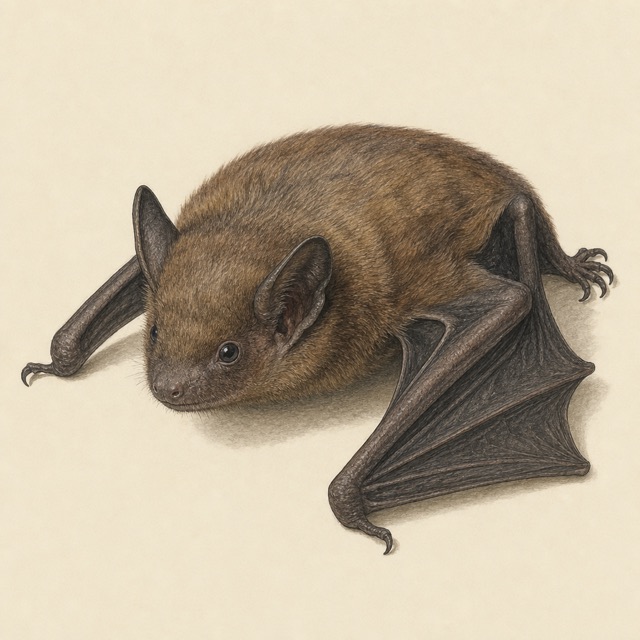
Bats are the only true flying mammals, with leathery wings formed by thin membranes stretched between elongated finger bones. The two most common house-roosting species are the little brown bat and the big brown bat. They have small bodies relative to their wingspan and emit high-pitched echolocation calls often audible as faint clicking near roost sites.
Similar Pests
Bats in flight are sometimes mistaken for swallows or swifts at dusk, but their erratic flight pattern and membrane wings are distinctive. Inside structures, clusters of bats may initially be confused with dark insulation clumps until movement is observed.
Signs of Infestation
- •Dark brown or black staining around small gaps in soffits, fascia, or ridge vents where bats enter
- •Accumulations of small, dark, rice-sized droppings (guano) below roost sites that crumble to reveal shiny insect fragments
- •Strong ammonia-like odor emanating from attic spaces or wall voids
- •Squeaking or scratching sounds in walls and ceilings at dusk and dawn
Key Inspection Areas
- •Ridge vents, gable vents, and soffit intersections along the roofline
- •Gaps where chimneys, dormers, or additions meet the main roofline
- •Behind exterior shutters and trim boards
- •Attic interiors, particularly along rafters and near peak
When to Inspect
Conduct an evening watch 30 minutes before sunset to observe bats exiting the roost. Position yourself where you can see the full roofline. Count bats and identify all exit points. Repeat on two or three warm evenings for accuracy.
Inspection Tools
Binoculars, a strong flashlight for attic inspection, an N95 respirator for any attic entry where guano is present, and a wildlife camera for monitoring entry points
Identify the species and check local regulations
Determine which bat species is roosting in your home, as some are federally endangered. Contact your state wildlife agency to confirm the legal exclusion window in your area. Many states have strict seasonal restrictions, and violating them carries significant fines.
Conduct an evening exit count
On a warm, calm evening, station yourself where you can observe the full roofline starting 30 minutes before sunset. Watch for bats emerging and note every exit point. Repeat for at least two or three evenings, as bats may use different openings. This determines the scope of exclusion work needed.
Install one-way exclusion devices at all exit points
Attach one-way bat exclusion tubes or netting over every identified exit point. Use clear polypropylene netting or commercially available exclusion tubes that allow bats to crawl out but prevent reentry. Ensure the bottom of the netting hangs freely at least 2 feet below the opening.
Seal all secondary entry points
While exclusion devices are in place over primary exits, permanently seal every other gap, crack, and opening larger than three-eighths of an inch along the roofline using caulk, foam, steel wool, or galvanized mesh. Be thorough, as bats will find any remaining opening.
Leave exclusion devices in place and monitor
Keep one-way devices installed for at least 5 to 7 warm nights to ensure all bats have departed. Monitor with evening watches and check for continued exit activity. Once no bats are observed exiting for three consecutive evenings, proceed to permanent sealing.
Remove exclusion devices and seal final openings
Remove all one-way devices and immediately seal those remaining openings with permanent materials. Use caulk for small gaps, steel mesh for larger openings, and ensure ridge vents and soffit joints are fully screened. Double-check every seal before finishing.
Clean guano and sanitize the attic
Bat guano harbors Histoplasma capsulatum fungus, which causes histoplasmosis when spores are inhaled. Wear a full-face N95 respirator, disposable coveralls, and gloves. Mist guano with water to suppress dust, bag it for disposal, remove contaminated insulation, and apply an enzyme-based antimicrobial treatment. Consider hiring a professional for large accumulations.
- 1Seal all gaps larger than three-eighths of an inch along the roofline using caulk, expanding foam, or steel mesh
- 2Install properly fitted ridge vent filters and soffit vent screening
- 3Cap chimneys with fine-mesh chimney caps rated for bat exclusion
- 4Ensure all attic and gable vents have intact, tightly fitted screening
- 5Replace deteriorating fascia boards and repair gaps where roofing materials meet siding
- 6Install bat houses 15 to 20 feet high on the property to provide alternative roosting sites
Seasonal Note
Bat exclusion is typically legal only from mid-August through mid-October in most states, after pups can fly but before hibernation. Excluding bats during maternity season (May through July) is illegal in many jurisdictions because flightless pups would be trapped and die inside the structure.
Is it legal to kill bats in my attic?
In most states, it is illegal to kill bats. Many bat species are protected under state and federal law, including the Endangered Species Act. Even for non-protected species, lethal methods are prohibited in most jurisdictions. Exclusion is the only legal and recommended removal method.
How dangerous is bat guano?
Bat guano can harbor the Histoplasma capsulatum fungus, which causes histoplasmosis, a serious respiratory illness. The risk increases when dried guano is disturbed and spores become airborne. Always wear an N95 respirator when entering an attic with bat guano, and consider professional remediation for large accumulations.
When can I legally exclude bats from my home?
The legal exclusion window varies by state but is typically mid-August through mid-October, after pups are able to fly but before bats enter hibernation. Excluding bats during the maternity season (May through July) is illegal in most states because flightless young would be trapped inside. Contact your state wildlife agency for specific dates.
Do bat repellents or ultrasonic devices work?
No. Independent studies consistently show that ultrasonic devices, mothballs, bright lights, and essential oils do not effectively repel bats from established roosts. Physical exclusion using one-way devices is the only proven method for removing bats from structures.
Should I install a bat house when excluding bats?
Yes. Installing bat houses on your property provides alternative roosting sites and supports these beneficial insect-eating animals. Mount bat houses 15 to 20 feet high on a pole or building in a location that receives at least 6 hours of direct sunlight. Install them before or during the exclusion process for the best chance of occupancy.
Quick Facts
- Size
- 2 to 7 inches body length with wingspans of 6 to 15 inches depending on species
- Color
- Brown to dark brown or black fur; some species have lighter tan or reddish-brown coloring
- Habitat
- Attics, wall voids, behind shutters, under eaves, in barns, caves, and tree hollows
- Active Season
- Year-round roosts possible; most active spring through fall; exclusion legally permitted only in late summer and early fall in most states
Danger Level: Medium
This pest can cause health issues or property damage if left untreated.