Bed bugs are challenging but beatable. Most DIY failures happen because people skip steps or give up too early. Follow this protocol completely — it works.
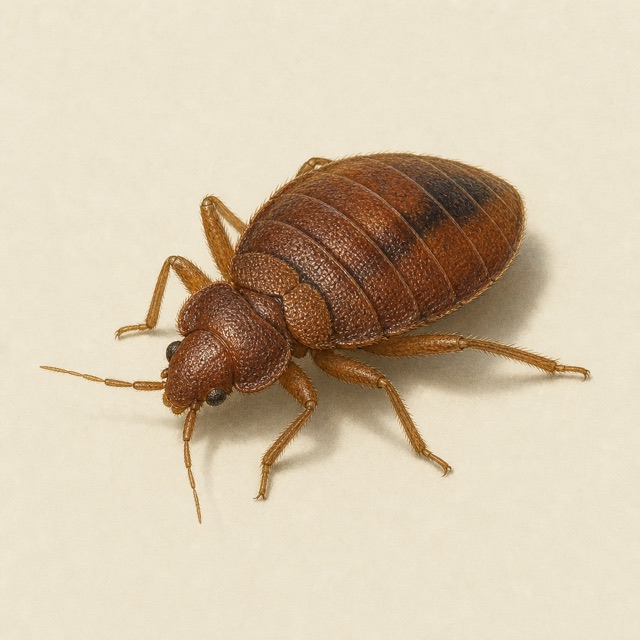
Adult bed bugs are 3/16 to 1/4 inch long, flat, oval, and reddish-brown (mahogany-colored when unfed, swollen and darker red after feeding). They have no wings, 6 legs, short antennae, and a banded appearance on their abdomen. Nymphs are smaller and translucent yellowish-white.
Similar Pests
Carpet beetles are rounder, smaller, and have wings. Bat bugs are nearly identical but prefer roosting areas near bats. Spider beetles have longer legs and are rounder.
Signs of Infestation
- •Small dark brown or reddish fecal spots (dried blood) on mattress seams, box springs, and bed frames
- •Tiny cream-colored eggs (1mm) and pale molted exoskeletons near hiding spots
- •Sweet, musty odor in heavily infested rooms from bed bug scent glands
- •Small blood smears on sheets from crushed bugs after feeding
- •Itchy red welts or bite marks in lines or clusters on exposed skin
Key Inspection Areas
- •Mattress seams, tufts, and tags, especially at corners and edges
- •Box spring fabric, wood frames, and hollow legs of bed frames
- •Behind headboards, nightstands, and wall-mounted furniture near beds
- •Electrical outlets, baseboards, and picture frames in bedrooms
- •Luggage, backpacks, and upholstered furniture in living areas
When to Inspect
Inspect in bright light using a flashlight. Check during the day when bed bugs are hiding. Focus on areas within 5-8 feet of where people sleep. Inspect hotel rooms before unpacking.
Inspection Tools
Flashlight, magnifying glass, credit card or thin tool to pry into seams, white sheet or paper to spot bugs/droppings, bed bug interceptor traps
Confirm the identification
Bed bugs are apple-seed sized (4–5mm), reddish-brown, and flat unless fed. Look along mattress seams, headboard joints, and behind outlets. Fecal spots (tiny dark dots) confirm activity.
Wash and heat-treat all bedding
Wash all bedding, pillowcases, and clothes in the hottest water possible, then dry on high heat for 90 minutes. Heat kills all life stages. Bag immediately after.
Encase mattress and box spring
Install bed bug encasements on your mattress AND box spring. This traps surviving bugs inside to starve and prevents recolonization. Leave on for 18 months.
Apply CrossFire concentrate
Mix and spray CrossFire on mattress seams, frame joints, baseboards, headboard, and furniture edges. It works on pyrethroid-resistant populations unlike older products.
Apply CimeXa dust
Apply CimeXa dust along baseboards, inside electrical outlets, and in all cracks. Creates a killing zone that lasts for months.
Use interceptors on bed legs
Place ClimbUp interceptor traps under each bed leg. These trap bugs trying to reach you and serve as a monitoring tool. Move the bed away from the wall.
Repeat treatment at 2 weeks
Bed bug eggs hatch in 7–10 days. A second treatment at 14 days catches hatching nymphs before they can breed. This step is critical and often skipped.
- 1Inspect secondhand furniture, mattresses, and clothing thoroughly before bringing into home
- 2Use bed bug-proof encasements on mattresses and box springs to trap any bugs inside
- 3Reduce clutter in bedrooms to eliminate hiding spots
- 4Vacuum regularly along baseboards, mattress seams, and under beds
- 5When traveling, inspect hotel rooms before unpacking; keep luggage on racks, not floors
- 6Wash and dry all clothing and linens on high heat after traveling
Seasonal Note
Bed bugs are a year-round problem but spread increases during summer travel season. Always inspect hotel rooms.
Do bed bugs only live in dirty homes?
No — this is a harmful myth. Bed bugs are hitchhikers that spread through travel, used furniture, and guests. Five-star hotels can have infestations. Cleanliness is not a factor.
Can I see bed bugs with the naked eye?
Yes. Adults are clearly visible — about the size of an apple seed. Nymphs (young bugs) are smaller but visible, especially after feeding when they're reddish.
How did I get bed bugs?
Common sources: hotel stays, used furniture, guests' luggage, and public transit seating. Bed bugs can spread between apartments through walls, electrical conduits, and hallways.
How long can bed bugs live without feeding?
Bed bugs can survive 12–18 months without a blood meal at cool temperatures. You cannot starve them out by leaving a property vacant for a short time.
Should I throw away my mattress?
Usually no. A proper encasement is more effective and far cheaper than replacing a mattress. Bed bugs in a new mattress will infest within days if you don't address the room.
Quick Facts
- Size
- 1/4 - 3/8 inch
- Color
- Reddish-brown
- Habitat
- Beds, furniture, walls
- Active Season
- Year-round
Danger Level: High
This pest poses significant health or property risks. Act quickly and consider professional help.
Top Products
Recommended for How to Get Rid of Bed Bugs: The Complete Protocol
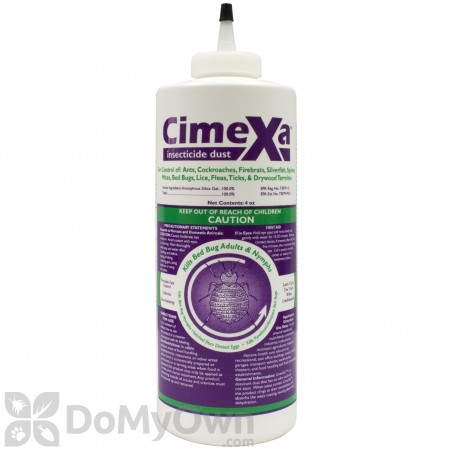
Rockwell Labs
CimeXa Insecticide Dust
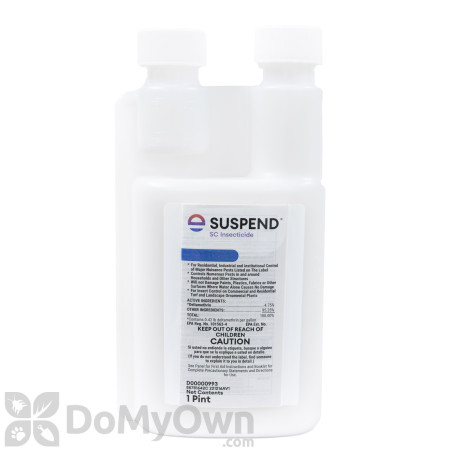
Bayer
Suspend SC Insecticide
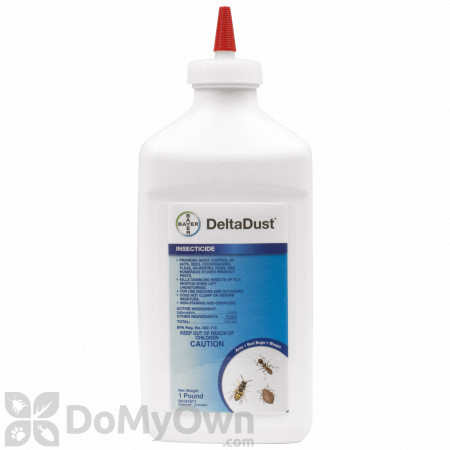
Bayer
Delta Dust Insecticide