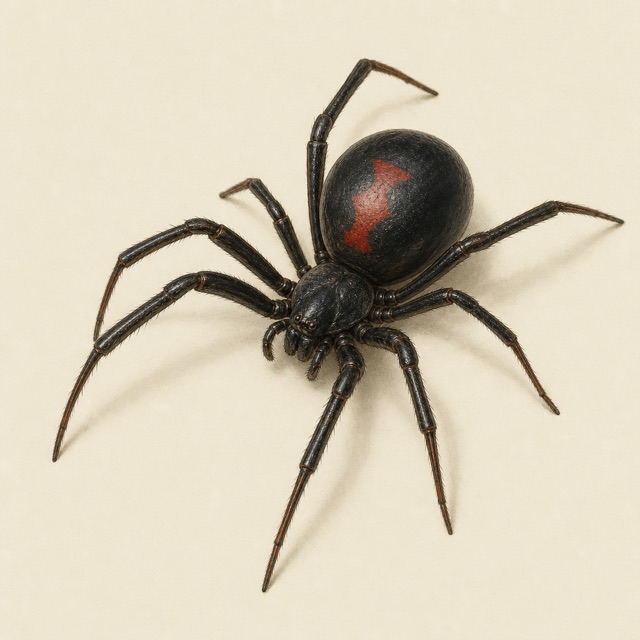
Black widow spiders are among the most venomous spiders in North America, and finding one in your home is legitimately concerning. While they're not aggressive and bites are rare, their neurotoxic venom can cause serious symptoms requiring medical attention. The good news? They're predictable creatures with specific habits that make them manageable with the right approach.
Black Widow Spiders: Complete Guide are identifiable by their Shiny black with red hourglass marking on underside coloring and 1/2 - 1 1/2 inches (including legs) size. Scientific name: Latrodectus spp.. They have distinct physical features that help differentiate them from similar pests.
Signs of Infestation
- •Physical sightings of the pest in or around the affected area
- •Damage patterns characteristic of this pest's feeding or nesting behavior
- •Droppings, shed skins, or other biological evidence of infestation
Key Inspection Areas
- •Areas where Dark, undisturbed areas like garages, sheds, wood piles, crawl spaces, and outdoor furniture is commonly found
- •Entry points and harborage sites specific to this pest
- •Food and water sources that attract this pest
When to Inspect
Inspect during peak activity times for this pest. Check regularly during their active season (Most active spring through fall, but present year-round in warm climates).
Inspection Tools
Flashlight for inspecting dark areas, appropriate traps for monitoring
Identify and Confirm You Have Black Widows
Look for shiny black spiders with a distinctive red hourglass marking on the underside of the abdomen. Females (the dangerous ones) are about the size of a quarter with legs extended, while males are much smaller and harmless. Check their webs—black widows create irregular, messy cobwebs close to the ground in undisturbed areas. Don't rely on the red marking alone; some related species have different patterns.
Protect Yourself During Inspection and Treatment
Wear heavy gloves, long sleeves, and pants when inspecting areas where black widows hide. Use a flashlight to check dark corners, and use a stick or tool to disturb webs rather than your hands. Keep a commercial spider spray like Terro Spider Killer or Ortho Home Defense handy for immediate threats. If you find multiple black widows or feel uncomfortable, calling a professional is the smart move—this isn't the pest to be cavalier about.
Remove Existing Spiders and Egg Sacs
For visible spiders, spray directly with a contact kill aerosol spider spray from a safe distance of 3-4 feet. Black widow egg sacs look like tan or cream-colored silk balls about 1/2 inch in diameter—destroy these immediately as each contains 200-900 eggs. Use a vacuum with a hose attachment to remove webs, egg sacs, and dead spiders, then immediately seal and dispose of the vacuum bag outside. Never crush egg sacs with your foot as spiderlings can scatter.
Apply Residual Insecticide to Key Areas
Use a professional-grade residual spray like Talstar P, Demand CS, or Suspend SC in areas where black widows hide. Focus on garage corners, under outdoor furniture, around door frames, window sills, crawl space entrances, and foundation cracks. Apply along baseboards, behind stored items, and in any cluttered areas. These products remain effective for 30-90 days and kill spiders that walk through treated areas.
Apply Dust Insecticide in Voids and Cracks
Use Delta Dust or CimeXa insecticidal dust in wall voids, electrical outlets, attic spaces, and deep cracks where liquid sprays can't reach. Apply with a hand duster to create a light, barely visible coating—over-application reduces effectiveness. These dusts remain active for months or even years in dry areas and are especially effective in crawl spaces and underneath structures where black widows commonly nest.
Eliminate Harborage Areas and Entry Points
Remove clutter from garages, basements, and yards where black widows hide—store items in sealed plastic containers rather than cardboard boxes. Move firewood at least 20 feet from your home and elevate it off the ground. Seal cracks and gaps in your foundation with caulk or foam, install door sweeps, and repair torn window screens. Black widows need undisturbed areas to thrive, so regular cleaning and organization is your best long-term defense.
Control Their Food Source
Black widows eat other insects, so reducing the overall bug population around your home makes it less attractive to them. Replace outdoor lights with yellow or sodium vapor bulbs that attract fewer insects. Apply a perimeter treatment with granular insecticide like Bifen LP around your foundation. Keep vegetation trimmed back from the house and eliminate standing water where mosquitoes and other prey insects breed.
Monitor and Maintain Prevention
Inspect high-risk areas monthly with a flashlight, looking for new webs or egg sacs. Reapply residual insecticides every 60-90 days, or after heavy rain. Use sticky traps like Catchmaster Spider Traps in garages and basements to monitor activity—place them along walls and in corners. If you continue seeing black widows after treatment, consider professional pest control with specialized equipment and experience dealing with venomous spiders.
- 1Eliminate food sources and properly store food items
- 2Reduce moisture and fix any water leaks
- 3Seal entry points and potential access routes
- 4Maintain cleanliness and reduce clutter that provides harborage
- 5Monitor regularly and address problems early before populations grow
How dangerous is a black widow spider bite?
Black widow bites can be medically serious but are rarely fatal, especially with modern medical care. Symptoms include severe muscle pain and cramps, nausea, difficulty breathing, and elevated blood pressure that typically peak within 3-12 hours. Most healthy adults recover fully, but children, elderly individuals, and those with compromised immune systems face higher risks. If bitten, seek medical attention immediately—antivenom is available and highly effective when administered promptly.
Will black widows come inside my house?
Black widows prefer to stay outdoors in undisturbed areas and rarely venture into living spaces. They typically only come inside garages, basements, or crawl spaces accidentally or when outside conditions become unfavorable. They're not aggressive and won't seek you out—most bites occur when someone unknowingly disturbs a spider by reaching into boxes, putting on shoes left outside, or moving stored items. Regular cleaning and reducing clutter dramatically reduces indoor encounters.
What time of year are black widows most active?
Black widows are most active during warm months from late spring through early fall when they mate and produce egg sacs. In warmer climates like the southern U.S., they remain active year-round but are less visible during cooler winter months. Late summer and early fall see peak activity as young spiders disperse from egg sacs. This is the best time to be vigilant about checking outdoor furniture, garages, and storage areas before use.
Can I use natural methods to get rid of black widows?
Natural repellents like peppermint oil, vinegar, or diatomaceous earth have limited effectiveness against black widows and shouldn't be relied upon as primary control methods given the health risks. Physical removal, habitat modification, and clutter reduction are effective non-chemical approaches. However, for active infestations, professional-grade insecticides are recommended because black widow venom poses real danger. You can minimize chemical use by focusing treatments only on harborage areas rather than blanket spraying.
How do I know if I have a black widow infestation?
Signs include finding multiple irregular, messy cobwebs in garages, sheds, or outdoor storage areas close to the ground. You might spot the distinctive shiny black spiders with red hourglass markings or tan egg sacs that look like small silk balls. Black widows leave prey remains in their webs and prefer dark, cluttered spaces. Finding more than 2-3 black widows on your property suggests a population that needs professional attention, especially if you have young children or pets.
Quick Facts
- Size
- 1/2 - 1 1/2 inches (including legs)
- Color
- Shiny black with red hourglass marking on underside
- Habitat
- Dark, undisturbed areas like garages, sheds, wood piles, crawl spaces, and outdoor furniture
- Active Season
- Most active spring through fall, but present year-round in warm climates
Danger Level: High
This pest poses significant health or property risks. Act quickly and consider professional help.
Top Products
Recommended for How to Get Rid of Black Widow Spiders: Complete Guide
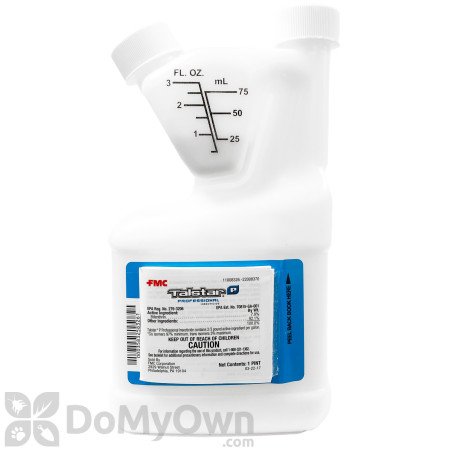
FMC
Talstar P Professional Insecticide
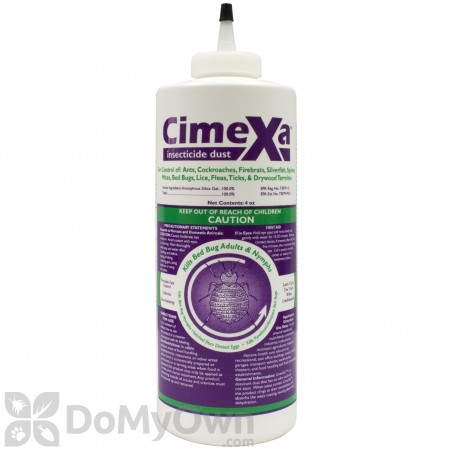
Rockwell Labs
CimeXa Insecticide Dust
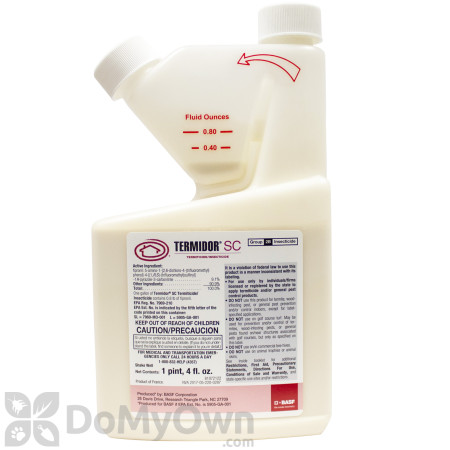
BASF
Termidor SC Termiticide