Finding large black ants crawling around your home? Carpenter ants don't eat wood—they excavate it to build their nests, potentially causing thousands in structural damage. Unlike termites, these destructive pests leave behind telltale piles of sawdust-like frass, and if you're seeing them indoors, there's likely a satellite colony already established in your walls.
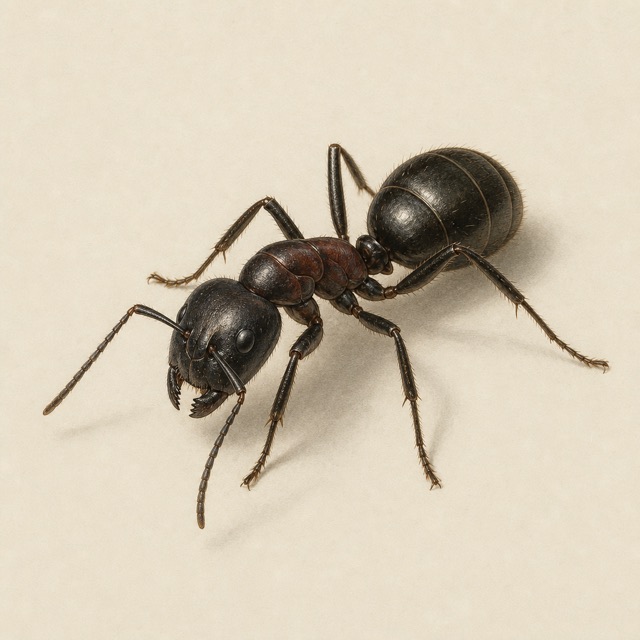
Carpenter ants are large (1/4 to 1/2 inch workers, up to 3/4 inch queens), typically black or dark brown. They have a single node (bump) between thorax and abdomen, evenly rounded thorax profile, and heart-shaped head. Winged reproductives appear in spring.
Similar Pests
Termites have straight antennae, thick waists, and equal-length wings. Carpenter ants have bent antennae, narrow waists, and longer front wings. Pavement ants are much smaller (1/8 inch).
Signs of Infestation
- •Piles of coarse sawdust (frass) below wood they're excavating, often with insect parts mixed in
- •Rustling or chewing sounds inside walls, especially at night
- •Large black ants trailing indoors, particularly in spring and at night
- •Winged swarmers emerging from walls or ceilings in late spring
- •Smooth, clean galleries excavated in wood (not mud tubes like termites)
Key Inspection Areas
- •Around windows, doors, and roof eaves with moisture damage or leaks
- •Behind dishwashers, refrigerators, and sinks with plumbing leaks
- •In wall voids, attics, and crawl spaces with wood-to-soil contact
- •Landscape timbers, tree stumps, and firewood piles near house
When to Inspect
Inspect at night (9pm-midnight) when workers forage indoors. Check in spring when winged swarmers emerge. Look after rain when moisture attracts colonies.
Inspection Tools
Flashlight for night inspection, screwdriver to probe soft wood, moisture meter to find damp areas, listening device to hear chewing
Confirm You Have Carpenter Ants
Look for large ants (1/4 to 3/4 inch) with a single rounded node between thorax and abdomen, plus an evenly rounded thorax when viewed from the side. Check for small piles of coarse sawdust (frass) below wooden areas—this contains insect body parts and is a dead giveaway. Watch for swarmers (winged reproductives) in spring, which indicate an established colony nearby.
Locate the Nest
Follow ant trails at night (9 PM-midnight) when they're most active—use a flashlight with red cellophane over it so you don't disturb them. Listen for rustling sounds inside walls by tapping wood and putting your ear close. Inspect areas with moisture damage, especially around windows, doors, roof eaves, bathrooms, and where plumbing enters walls. The parent colony is often outdoors in stumps, firewood, or trees within 100 yards of your home.
Bait the Colony (Primary Treatment)
Use liquid baits like TERRO Ant Bait Plus or Advion Ant Gel near trails and entry points—carpenter ants prefer sweet baits in spring and protein baits in summer. Place bait stations every 10-15 feet along active trails but don't spray insecticides nearby, which will contaminate the bait and prevent feeding. Be patient: it takes 7-14 days for baits to eliminate the colony as workers carry poison back to the queen.
Apply Residual Insecticide Outdoors
Spray a perimeter barrier using Talstar P, Suspend SC, or Dominion 2L around your foundation, focusing on cracks, weep holes, and where utilities enter. Treat stumps, woodpiles, and landscape timbers within 50 feet of the house. Create a 3-foot barrier band up the foundation and 6-10 feet out on the ground. Reapply every 3 months or after heavy rain for continued protection.
Treat Wall Voids and Nests Directly
If you've located an indoor nest, drill small holes and apply CimeXa insecticidal dust or Boric acid dust using a hand duster like the Bellows Duster. Inject dust into wall voids, behind electrical outlets (turn off power first), and other hidden spaces. For accessible nests, drill and inject aerosol foams like Alpine Ant & Termite Foam which expands to reach hidden galleries. Dust treatments last for years if kept dry.
Eliminate Moisture Problems
Fix all leaks, improve ventilation in crawlspaces and attics, and redirect water away from foundations using gutters and downspouts. Replace water-damaged wood after treatment—carpenter ants rarely infest dry, sound timber. Use a dehumidifier in damp basements to keep humidity below 50%. This step is critical because moisture attracts new colonies even after you've eliminated the current infestation.
Remove Attractants and Seal Entry Points
Move firewood at least 20 feet from the house and elevate it off the ground. Trim tree branches and vegetation touching your home—these act as highways for foraging ants. Seal cracks and gaps in the foundation, around windows, doors, and utility penetrations with silicone caulk or copper mesh. Store food in airtight containers and clean up crumbs and spills promptly, especially pet food.
Monitor and Maintain
Continue monitoring for 4-6 weeks after treatment, replacing bait stations as needed. If you still see activity after 3 weeks of baiting, you may have multiple colonies or haven't found the main nest—consider calling a professional. Schedule quarterly perimeter treatments and annual moisture inspections to prevent recolonization. Keep a log of where you've seen activity to track improvement and identify problem areas.
- 1Fix roof leaks, plumbing leaks, and moisture problems that attract carpenter ants to damp wood
- 2Replace water-damaged wood in window frames, door frames, and structural members
- 3Trim tree branches and shrubs away from house so they don't touch siding or roof
- 4Store firewood away from house foundation and off the ground
- 5Seal cracks and gaps around windows, doors, pipes, and wires with silicone caulk
- 6Apply residual perimeter spray (bifenthrin) around foundation in spring
Seasonal Note
Spring prevention is critical when reproductive swarmers emerge. Fix moisture problems before ants colonize damp wood.
How do I know if I have carpenter ants or termites?
Carpenter ants have a narrow waist, bent antennae, and larger front wings than back wings (if winged). Termites have a thick waist, straight antennae, and equal-sized wings. Carpenter ant frass looks like coarse sawdust with insect parts, while termite droppings are tiny uniform pellets. Carpenter ants are most active at night and don't eat wood—they just excavate it—while termites consume wood 24/7 and create mud tubes.
Can carpenter ants destroy my house like termites?
Yes, but it takes much longer—typically 3-6 years for significant damage versus 1-2 years for termites. A large, established carpenter ant colony can excavate extensive galleries that weaken structural beams, floor joists, and wall studs. The damage is usually localized to moisture-damaged or decaying wood initially, but mature colonies expand into sound wood. Annual inspections and moisture control significantly reduce the risk of serious structural damage.
Why do I only see carpenter ants at night?
Carpenter ants are nocturnal foragers that venture out primarily between sunset and sunrise when temperatures are cooler and predators are scarce. Worker ants may travel 100 yards or more from the nest to find food, following scent trails established by scouts. If you're seeing them during the day, especially in large numbers, it often indicates a very large colony or significant disturbance to their nest.
Should I spray ants I see or use bait?
Always use bait first—spraying visible ants only kills workers while the queen and colony survive, and it contaminates bait stations making them ineffective. Baits are carried back to the nest where they're shared with the entire colony, including the queen. Only spray as a last resort for severe infestations or to treat discovered nests directly. The goal is colony elimination, not just killing the ants you can see.
How long does it take to completely eliminate carpenter ants?
Expect 2-4 weeks with proper baiting for a satellite colony, or 4-8 weeks for a mature parent colony with a queen. You'll see increased activity for the first few days as more workers find the bait, then a gradual decline. Complete elimination requires patience—stopping treatment too early allows the colony to recover. If you still see activity after 6 weeks of consistent baiting, you likely have multiple colonies or haven't located the main nest.
Quick Facts
- Size
- 1/4 - 3/4 inch
- Color
- Black, red, or combination of red and black
- Habitat
- Decaying or moisture-damaged wood in structures, trees, and stumps; prefer wood with 15%+ moisture content
- Active Season
- Spring through fall (March-October), most active at night during warmer months
Danger Level: High
This pest poses significant health or property risks. Act quickly and consider professional help.
Top Products
Recommended for How to Get Rid of Carpenter Ants: Complete Guide
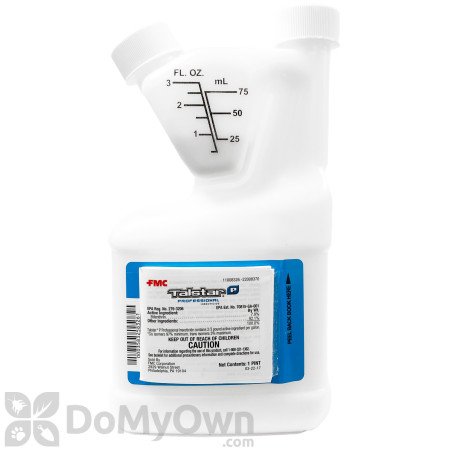
FMC
Talstar P Professional Insecticide
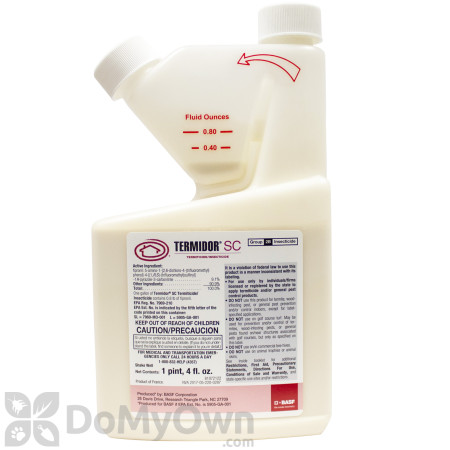
BASF
Termidor SC Termiticide
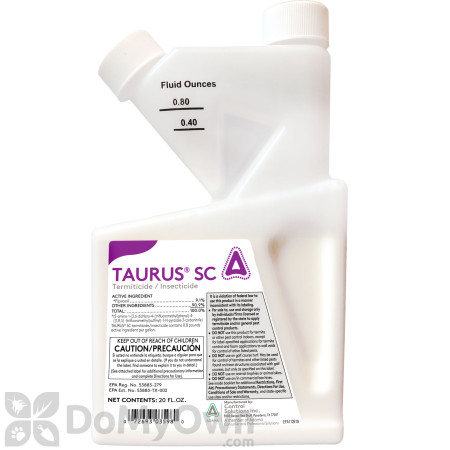
Control Solutions
Taurus SC Termiticide and Insecticide