Cluster flies invade homes in fall by the hundreds, seeking warm places to overwinter in attics and wall voids. They're slow, sluggish, and don't breed indoors, but they're a persistent seasonal nuisance. Here's how to eliminate them and prevent next year's invasion.
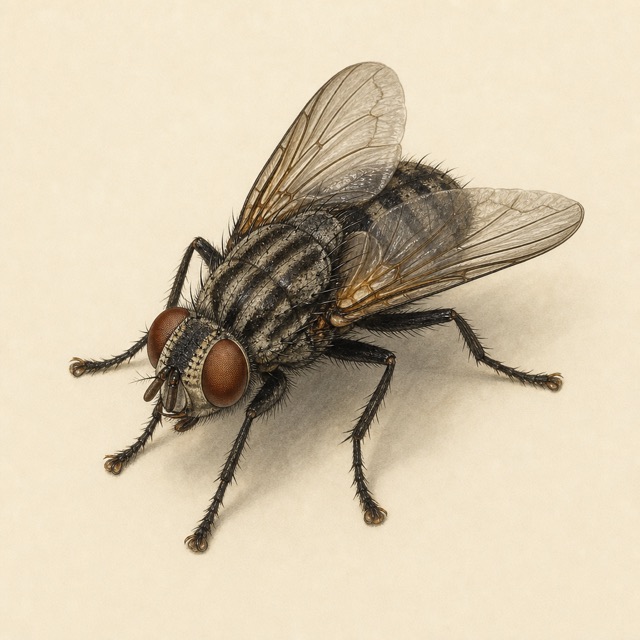
Cluster flies are larger and slower than house flies, with a dark gray body covered in short golden-yellow hairs on the thorax. They fly sluggishly and cluster in large groups on sunny walls in fall. Unlike house flies, they don't buzz rapidly or breed in garbage. When crushed, they emit a sickly-sweet odor.
Similar Pests
House flies are smaller, faster, and buzz actively. Blow flies are metallic blue or green. Cluster flies are distinctly sluggish, grayish, and have golden thorax hairs visible under light.
Signs of Infestation
- •Clusters of slow-moving flies on sunny south-facing walls in September-October
- •Dozens of flies appearing on warm winter days in upper floors or attics
- •Dead flies accumulating on window sills in late winter and spring
- •Sickly-sweet odor when flies are crushed or in large numbers
Key Inspection Areas
- •Attics and upper floor ceilings where flies overwinter in insulation
- •South and west-facing exterior walls on warm fall afternoons
- •Window frames, light fixtures, and electrical outlets in upper floors
- •Wall voids accessible through attic knee walls and soffits
When to Inspect
Inspect in September-October on sunny days above 60°F when flies swarm exterior walls. Check attics on warm winter days when flies become active indoors.
Inspection Tools
Flashlight for attic inspection, ladder for checking high soffits, vacuum for removing live flies
Vacuum up indoor flies immediately
Use a vacuum with a hose attachment to remove live flies from windows, ceilings, and attics. Dispose of the bag outdoors immediately. Flies are sluggish and easy to catch when cold.
Apply exterior barrier spray in early fall
In late August or early September, spray a pyrethroid insecticide (Cyper WSP, Suspend SC) on all south and west-facing exterior walls, soffits, and around windows. This kills flies before they enter. Reapply every 30 days through October.
Seal exterior entry points
Caulk gaps around windows, siding, vents, chimneys, and utility penetrations. Install or repair soffit screens. Cluster flies can enter through gaps as small as 1/8 inch.
Treat attic and wall voids with residual dust
If flies are already inside wall voids or attics, apply Delta Dust or Tempo Dust into voids through electrical outlets (power off first) or attic access points. Dust kills flies hidden in insulation and wall cavities.
Install light traps in attic spaces
UV light traps placed in attics attract and capture flies that emerge on warm winter days. Empty traps monthly during fall and winter.
Use space sprays for active infestations
For heavy attic infestations, use a pyrethrin-based aerosol space spray (PT 565 Plus) to knock down hundreds of active flies. Vacuum up dead flies afterward to prevent odor and carpet beetle attraction.
Prevent spring emergence
Flies that overwintered will try to exit in March-April. Keep windows closed and vacuum any that appear. Reapply exterior barrier treatments in late summer before the next fall invasion.
- 1Apply exterior barrier sprays in late August before fall swarming begins
- 2Seal all cracks, gaps, and penetrations in siding, soffits, and windows during summer
- 3Install tight-fitting soffit screens and attic vent covers
- 4Remove outdoor debris like leaf piles and brush near the home — earthworms attract cluster flies
- 5Keep outdoor lights off during fall swarming season to avoid attracting more flies
Seasonal Note
Prevention MUST happen in late summer (August-September). Once flies are inside wall voids, they'll overwinter and emerge in spring. You can't treat them effectively after they're inside.
Do cluster flies breed indoors?
No. They only overwinter in homes. Cluster flies breed outdoors in soil, where their larvae parasitize earthworms. Indoor flies are non-reproductive adults seeking hibernation sites.
Why do they invade in fall?
As temperatures drop, cluster flies seek protected hibernation sites. They're attracted to warm, sunny exterior walls and enter through any gap to overwinter in attics and wall voids.
Will they damage my home?
No structural damage. They don't breed indoors, eat food, or damage materials. The only issues are nuisance (large numbers), odor (when crushed), and dead flies attracting carpet beetles.
Can I spray them inside with Raid?
You can, but it's ineffective for overwintering flies hidden in wall voids. Vacuum visible flies and focus on sealing entry points and treating exterior walls preventively next fall.
How do I tell them from house flies?
Cluster flies are larger, slower, and have golden hairs on the thorax. House flies are smaller, faster, buzz actively, and breed in garbage. Cluster flies cluster on sunny walls; house flies don't.
Quick Facts
- Size
- 1/4 to 3/8 inch
- Color
- Dark gray with golden thorax hairs
- Habitat
- Attics, wall voids, upper floors
- Active Season
- Fall (invasion), Spring (emergence)
Danger Level: Low
This pest is primarily a nuisance but can be eliminated with DIY methods.
Top Products
Recommended for How to Get Rid of Cluster Flies: Complete 2025 Guide
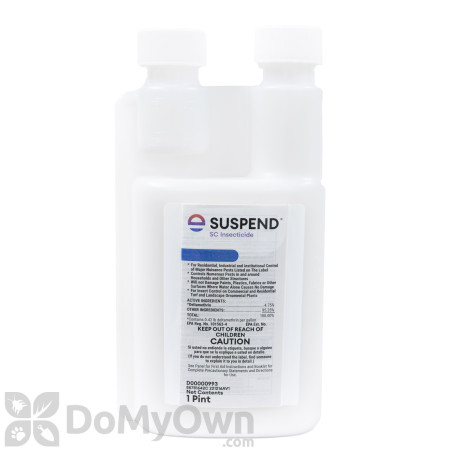
Bayer
Suspend SC Insecticide
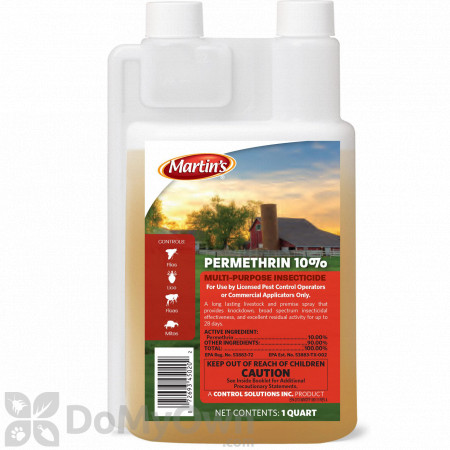
Control Solutions
Martin's Permethrin 10% Multi-Purpose Insecticide
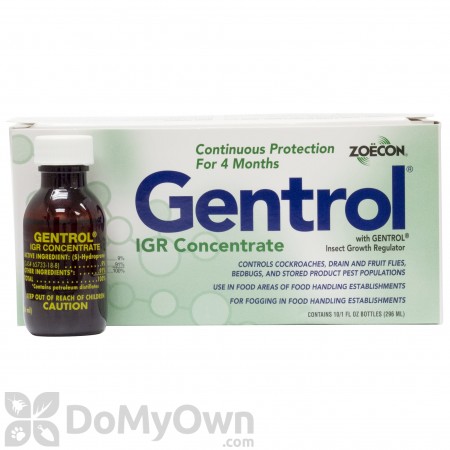
Zoecon
Gentrol IGR Concentrate