Fire ants aren't just annoying—they're aggressive defenders that can swarm and sting in seconds, sending hundreds of thousands of people to the hospital each year. Unlike regular ants, these red devils build massive underground colonies with multiple queens, making elimination tricky without the right approach. Whether you've stepped on a mound or found them invading your home, quick action is essential to reclaim your yard.
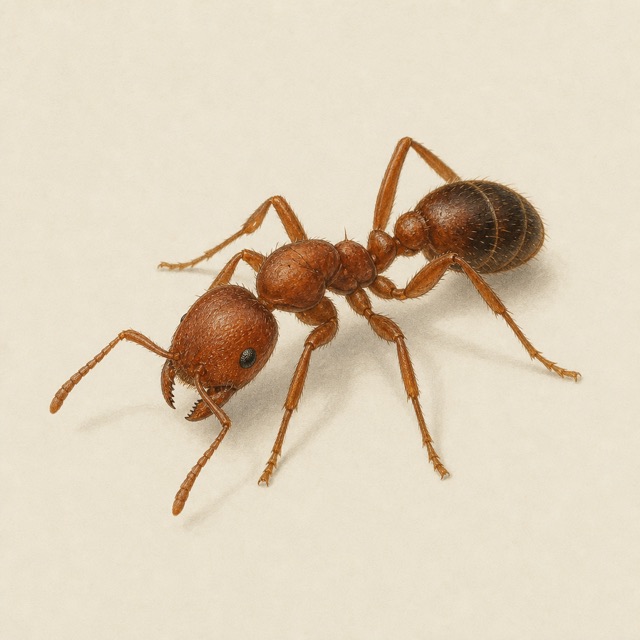
Red imported fire ants are 1/8 to 1/4 inch, reddish-brown with a darker abdomen. They have a 2-segmented petiole (waist), 10-segmented antennae with a 2-segmented club, and smooth, shiny bodies. They are aggressive and sting repeatedly.
Similar Pests
Native fire ants are less aggressive. Harvester ants are larger and have a single waist node. Pavement ants are smaller and nest in cracks, not mounds.
Signs of Infestation
- •Dome-shaped dirt mounds up to 18 inches wide with no visible center opening
- •Aggressive ants boiling out of disturbed mounds and swarming onto shoes/legs
- •Painful burning stings followed by white pustules forming within 24 hours
- •Dead or damaged electrical equipment (ants are attracted to electrical fields)
Key Inspection Areas
- •Open sunny areas in lawns, playgrounds, and athletic fields
- •Along sidewalks, driveways, and foundation edges
- •Near electrical boxes, HVAC units, and irrigation valves
- •Around tree bases, landscape beds, and compost areas
When to Inspect
Inspect during cooler parts of day (early morning or late afternoon). Mounds are most visible after rain. Worker ants are most active at temperatures between 70-90°F.
Inspection Tools
Stick or probe to gently disturb mounds and observe ant response, protective gloves and boots, flags to mark mound locations
Identify Fire Ant Mounds and Activity Patterns
Look for dome-shaped mounds without visible entry holes on top, typically 12-18 inches across in sunny, open areas. Test by gently disturbing the mound with a stick—fire ants will aggressively swarm out within seconds. Map all mounds in your yard since colonies can have satellite mounds connected underground, and note foraging trails to food sources.
Apply Two-Step Treatment: Broadcast Bait First
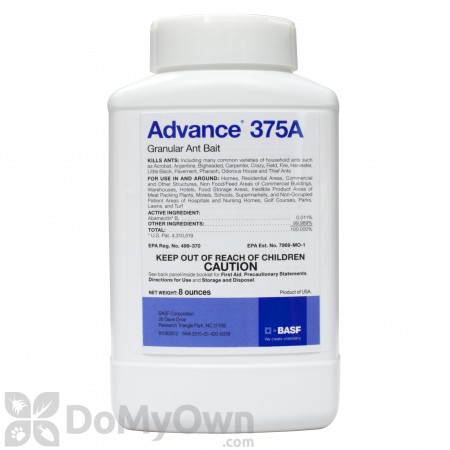
Use a broadcast fire ant bait like Amdro Fire Ant Bait or Advion Fire Ant Bait across your entire yard (not just mounds) when ants are actively foraging—typically morning or evening when temperatures are 70-90°F. Worker ants carry the bait back to feed the queen, slowly eliminating the colony from within. Avoid watering or mowing for 24-48 hours after application to let ants collect the bait.
Treat Individual Mounds with Targeted Products
Three to five days after broadcasting bait, treat remaining active mounds with individual mound treatments. Options include Ortho Orthene Fire Ant Killer (pour-on granules), Spectracide Fire Ant Shield liquid drench, or Top Choice/Taurus SC for long-term control. For immediate knockdown, use boiling water (3 gallons per mound) poured directly into the center, though this only works about 60% of the time.
Create a Barrier Around Your Home
Apply a liquid perimeter treatment like Talstar P, Bifen I/T, or Termidor SC around your home's foundation, extending 3-6 feet out and 3 feet up exterior walls. This creates a protective barrier preventing fire ants from entering your home. Reapply every 3 months or after heavy rain, paying special attention to cracks, utility penetrations, and areas where grass meets the foundation.
Eliminate Attractants and Entry Points
Remove food sources by keeping outdoor eating areas clean, securing pet food, and maintaining tight-fitting lids on garbage cans. Seal cracks in foundations, gaps around windows and doors, and spaces around AC lines or plumbing with silicone caulk. Trim vegetation away from your home's exterior and remove debris piles, logs, or items where ants might nest.
Monitor and Maintain Treatment Schedule
Check your yard weekly for new mounds by walking the perimeter and high-traffic areas. Fire ants can reinvade from neighboring properties, so reapply broadcast bait every 4-6 months or whenever you spot new activity. Keep a treatment log noting dates, products used, and mound locations to track effectiveness and ensure you're not over-applying chemicals.
Consider Professional Treatment for Severe Infestations
If you have more than 10-15 active mounds, recurring infestations despite treatment, or sensitive family members at risk from stings, call a professional pest control service. They have access to stronger products like Topchoice (fipronil) that provide 1-2 years of control with a single application. Professional treatments are especially worthwhile for large properties or when preparing to sell a home.
- 1Apply broadcast granular fire ant bait (Amdro, Advion) twice yearly in spring and fall
- 2Maintain a 3-foot bait-free zone around vegetable gardens (use individual mound treatments there)
- 3Mow lawns regularly to spot new mounds early when colonies are small
- 4Avoid disturbing mounds when mowing or landscaping to prevent spreading colony
- 5Protect electrical equipment by sealing junction boxes and applying bait around perimeter
- 6Educate family members to recognize mounds and avoid contact
Seasonal Note
Broadcast bait applications are most effective in spring (March-May) and fall (September-October) when worker ants are actively foraging.
How dangerous are fire ant stings?
Fire ant stings cause painful, burning welts that develop into white pustules within 24 hours and can last up to 10 days. About 5% of people develop severe allergic reactions requiring immediate medical attention, with symptoms including difficulty breathing, swelling, or dizziness. Each ant can sting multiple times, and disturbing a mound can result in hundreds of ants swarming and stinging simultaneously, which is particularly dangerous for children, elderly, or pets.
Why do fire ant baits work better than sprays?
Baits work slowly but eliminate entire colonies including the queen(s), while sprays only kill ants on contact and can actually cause colonies to split and spread. Worker ants carry bait back to the nest and share it through feeding, poisoning the entire colony over 1-4 weeks. Contact sprays often just scatter the colony or kill surface workers while queens survive underground to rebuild, which is why professionals always recommend the two-step method combining bait and targeted treatments.
Can I permanently get rid of fire ants from my yard?
Complete permanent elimination is nearly impossible since fire ants can reinvade from neighboring properties, with queens flying up to several miles during mating flights. However, you can achieve 85-95% control with proper treatment and maintenance, making your yard safe and comfortable. The key is consistent monitoring and retreatment every 4-6 months, along with encouraging neighbors to treat their properties to reduce regional populations.
What's the best time to treat fire ant mounds?
Treat fire ants when they're actively foraging—typically spring and fall when soil temperatures are 70-90°F, usually morning (after dew dries) or evening. Avoid treating during extreme heat (above 95°F) when ants move deeper underground, or after rain when bait becomes soggy and unappealing. For bait applications, ensure no rain is forecasted for 6-12 hours, and never apply bait to wet grass or irrigate immediately after application.
Are natural or DIY fire ant remedies effective?
Most home remedies like dish soap, vinegar, club soda, or grits are largely ineffective and can waste time while colonies grow. Boiling water works about 60% of the time if you use 3+ gallons per mound and pour directly on the queen's chamber, but it's dangerous and can damage grass. Orange oil products containing d-limonene show some effectiveness but require precise application and multiple treatments. For serious infestations, EPA-registered products specifically designed for fire ants remain the most reliable solution.
Quick Facts
- Size
- 1/8 - 1/4 inch
- Color
- Reddish-brown to dark brown
- Habitat
- Outdoor mounds in sunny areas, lawns, gardens, near foundations, under pavement; occasionally invade homes
- Active Season
- Year-round in warm climates; most active spring through fall
Danger Level: High
This pest poses significant health or property risks. Act quickly and consider professional help.