Flea infestations require treating three things simultaneously: your pet, your home, and your yard. Miss any one and the fleas will return within weeks from hatching eggs.
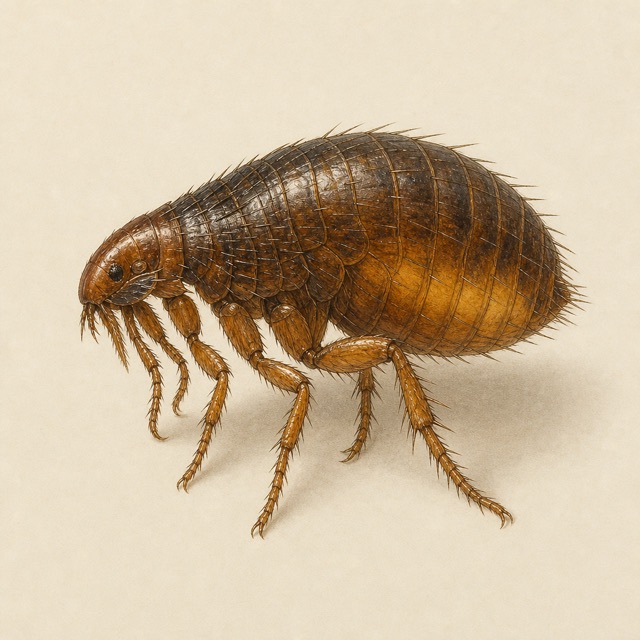
Adult fleas are 1/16 to 1/8 inch, dark reddish-brown to black, with laterally flattened (side-to-side compressed) bodies, no wings, powerful hind legs for jumping, and backward-pointing spines. They can jump up to 12 inches vertically.
Similar Pests
Springtails are smaller, lighter colored, and jump using a tail-like appendage, not legs. Bed bugs don't jump. Lice are flatter and lighter colored, with claws for gripping hair.
Signs of Infestation
- •Small black "flea dirt" (digested blood feces) on pet bedding or carpets that turns red when moistened
- •Pets scratching, biting, or licking excessively, especially at base of tail
- •Small red bite marks on human ankles and lower legs
- •Adult fleas hopping on floors, furniture, or pet fur
- •Flea eggs (tiny white grains) and larvae (whitish worm-like) in carpet or pet bedding
Key Inspection Areas
- •Pet bedding, favorite resting spots, and carpeted areas where pets sleep
- •Along baseboards, under furniture, and in carpet edges
- •Upholstered furniture where pets rest frequently
- •Outdoor areas where pets spend time (shaded spots under decks, shrubs)
When to Inspect
Inspect year-round in warm climates, spring through fall in temperate areas. Check after noticing pets scratching excessively. Flea activity peaks in warm, humid conditions.
Inspection Tools
White socks pulled high (walk through suspected areas to catch jumping fleas), flea comb for checking pets, flashlight to spot flea dirt in carpets
Treat your pet first
Talk to your vet about prescription flea prevention (Nexgard, Bravecto, or Comfortis). These products kill fleas faster and more completely than OTC options. Don't skip this step.
Vacuum aggressively
Vacuum every floor surface, couch cushion, and pet bed daily for 2 weeks. This removes up to 30% of flea eggs and stimulates remaining eggs to hatch (making them vulnerable to treatment). Discard the bag or empty into outdoor trash immediately.
Wash all pet bedding
Wash all pet beds, blankets, and your own bedding in hot water. Dry on high heat for 30+ minutes. Do this every few days during treatment.
Apply indoor spray with IGR
Spray Vet-Kem Siphotrol Plus II (or similar IGR spray) on all carpets, furniture, and pet areas. The IGR prevents eggs from developing into adults for 7 months.
Treat the yard
Fleas live in shaded, humid areas. Spray permethrin along the fence line, under decks, and in any area your pet frequents. Direct sunlight on lawns naturally kills fleas.
Use diatomaceous earth in cracks
Apply food-grade diatomaceous earth along baseboards and in carpet edges. It kills fleas through mechanical damage without chemicals.
Maintain pet prevention
Keep your pet on monthly flea prevention year-round. Fleas can be active in mild winters. A single missed month can restart an infestation.
- 1Treat all pets with veterinarian-approved flea preventive (oral or topical) year-round
- 2Vacuum carpets, rugs, furniture, and pet bedding at least twice weekly; discard vacuum bag immediately
- 3Wash pet bedding in hot water (130°F+) weekly during flea season
- 4Apply outdoor yard treatment (bifenthrin spray or granules) to shaded areas where pets rest
- 5Limit pet access to flea-prone outdoor areas (under decks, wooded edges)
- 6Groom pets regularly with flea comb to catch fleas early
Seasonal Note
Flea populations explode in warm, humid summer months. Start preventive treatments in early spring before populations peak.
Why do I have fleas if I don't have pets?
Wildlife (squirrels, raccoons, stray cats) can carry fleas into your yard. If you recently moved into a home, eggs from previous pets can hatch months later.
How long does flea treatment take?
Expect 2–4 weeks for adult fleas to clear after treatment. You may see adult fleas for up to 8 weeks as hatching eggs emerge (IGR prevents them from breeding). Don't give up.
Can fleas make me sick?
Fleas can transmit tapeworms (to pets and occasionally humans), murine typhus (in some regions), and historically plague. Most US flea bites cause itchy welts but no serious disease.
What does a flea look like?
Fleas are tiny (1–3mm), dark brown, wingless, and have powerful hind legs for jumping. They move very fast and jump up to 12 inches. You'll often feel them before you see them.
Do flea bombs (foggers) work?
Total release foggers (bombs) are largely ineffective because they don't penetrate deep into carpet fibers and under furniture where fleas actually live. Use targeted sprays instead.
Quick Facts
- Size
- 1/16 - 1/8 inch
- Color
- Dark brown
- Habitat
- Pets, carpet, bedding
- Active Season
- Year-round
Danger Level: Medium
This pest can cause health issues or property damage if left untreated.
Top Products
Recommended for How to Get Rid of Fleas in Your Home and Yard
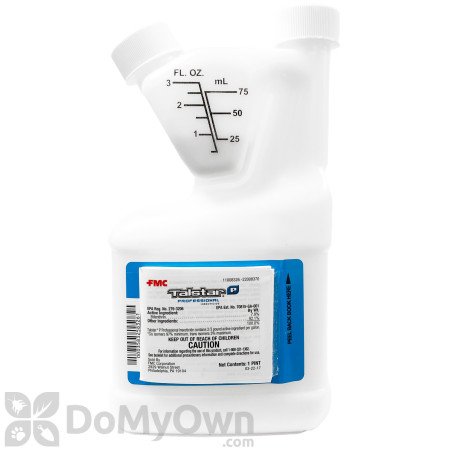
FMC
Talstar P Professional Insecticide
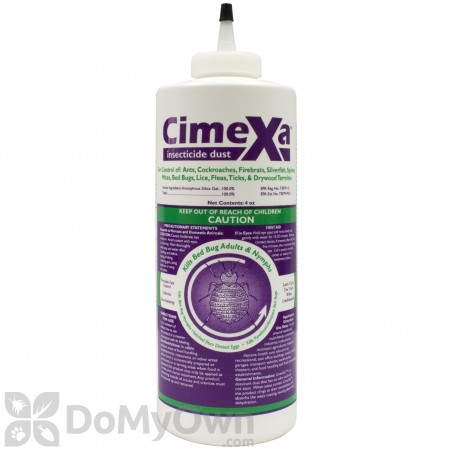
Rockwell Labs
CimeXa Insecticide Dust
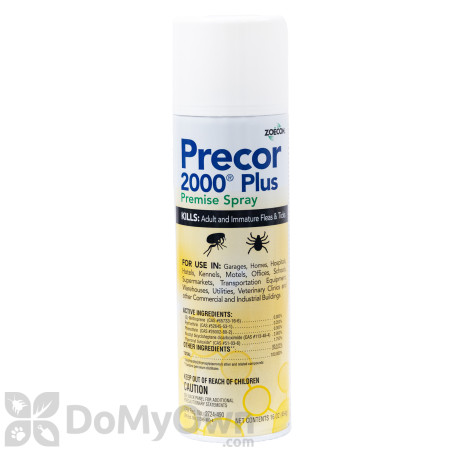
Wellmark
Precor IGR Insect Growth Regulator