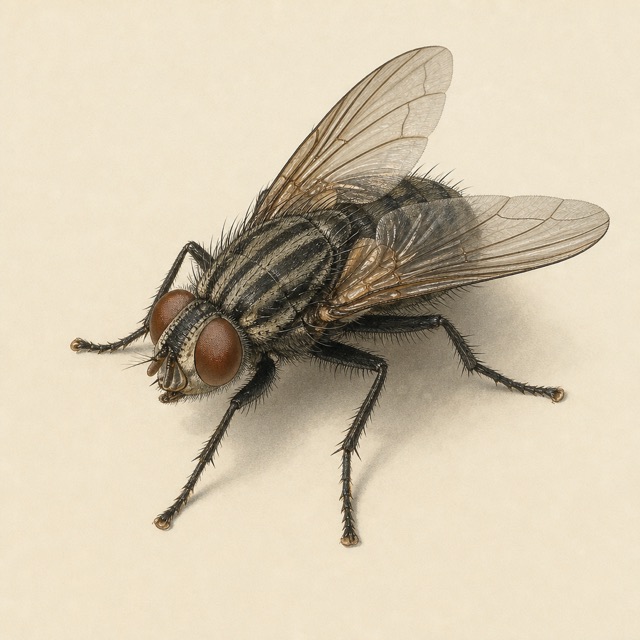
House flies are the most common indoor fly pest, breeding in garbage, pet waste, and decaying organic matter. A single female can lay 500 eggs in her lifetime, leading to rapid infestations. The key is eliminating breeding sites, not just swatting adults. Here's how to do it right.
House flies are 1/4 inch long, gray with four dark stripes on the thorax, and have large compound red eyes. They have sponging mouthparts (can't bite) and move rapidly. Flies land frequently on food, surfaces, and garbage. They're active during the day and rest at night.
Similar Pests
Cluster flies are larger, slower, and have golden hairs. Blow flies are metallic blue or green. Fruit flies are tiny (1/8 inch) and hover near fruit. House flies are the standard gray fly with fast, erratic flight.
Signs of Infestation
- •Multiple flies buzzing around kitchen, garbage cans, or pet areas
- •Dark fecal and regurgitation spots on walls, ceilings, and light fixtures
- •Larvae (white maggots) in garbage cans, compost, or pet waste
- •Persistent flies despite swatting — indicates active breeding nearby
Key Inspection Areas
- •Garbage cans (indoor and outdoor) for larvae and adult activity
- •Compost bins, mulch piles, and decaying vegetation near the home
- •Pet waste areas, litter boxes, and kennels
- •Kitchen drains, disposal units, and under sinks for organic buildup
When to Inspect
Inspect daily in summer when fly populations peak. Check garbage and compost bins every 2-3 days. Flies breed fastest in warm weather (70-90°F).
Inspection Tools
Flashlight for inspecting dark areas, fly swatter for quick knockdown, sticky fly paper to monitor activity levels
Identify and eliminate breeding sites
Check garbage cans, compost, pet waste, and drains for maggots (white, rice-shaped larvae). Remove all decaying organic matter. Clean garbage cans with hot soapy water and bleach. Flies complete a lifecycle in 7-10 days, so eliminate breeding sites first.
Take out garbage daily
Don't let garbage sit indoors. Use trash bags and take them to outdoor bins daily. Keep outdoor bins at least 20 feet from doors and clean them weekly. Rinse food containers before discarding.
Clean drains and disposal units
Pour a mixture of baking soda, vinegar, and boiling water down kitchen and bathroom drains weekly. Use a drain brush to scrub away organic buildup where flies lay eggs.
Use fly bait stations outdoors
Place granular fly bait (Maxforce Granular Fly Bait) near garbage bins and compost areas. Flies consume the bait and die within hours. Reapply every 7-10 days.
Install fly traps indoors
Use sticky fly ribbons or UV light traps in kitchens, garages, and areas with fly activity. These catch adults but don't address breeding sites — use them as supplemental control.
Spray residual insecticide on resting surfaces
Apply a pyrethroid spray (Suspend SC, Demand CS) to outdoor surfaces where flies rest: garbage bin lids, porch ceilings, window frames. Flies contact the residue and die.
Seal entry points
Install door sweeps, repair window screens, and seal gaps around doors and windows. Flies enter through openings as small as 1/8 inch. Use air curtains or screen doors for high-traffic entryways.
Maintain sanitation long-term
Fly control is 90% sanitation. Keep kitchens clean, store food in sealed containers, clean up pet waste immediately, and maintain garbage cans. Without breeding sites, fly populations collapse in 2-3 weeks.
- 1Take out garbage daily and keep outdoor bins clean and at least 20 feet from doors
- 2Store food in airtight containers and clean up spills immediately
- 3Pick up pet waste daily and clean litter boxes every 1-2 days
- 4Repair torn window screens and install door sweeps on all exterior doors
- 5Clean kitchen drains weekly with baking soda, vinegar, and boiling water
- 6Avoid leaving dirty dishes in the sink overnight
Seasonal Note
Fly activity peaks in summer (June-August) when warm temperatures accelerate breeding. Prevention in spring (cleaning breeding sites early) prevents summer infestations.
Do house flies bite?
No. House flies have sponging mouthparts and cannot bite. Stable flies (a different species) look similar but bite painfully. If a fly bites you, it's not a house fly.
How fast do flies breed?
A female house fly lays up to 500 eggs in her 2-4 week lifespan. Eggs hatch into maggots in 12-24 hours. Maggots pupate and become adults in 7-10 days. A small infestation can explode into hundreds of flies in 2 weeks.
Why do I still see flies after cleaning?
Adult flies can live 2-4 weeks. Even after eliminating breeding sites, existing adults will persist. Use fly traps and swatters for adults while sanitation prevents new generations.
Are flies dangerous?
Yes — they're disease vectors. Flies land on feces, garbage, and rotting material, then land on your food. They can spread Salmonella, E. coli, and other pathogens. Good sanitation is critical.
Can I use bug zappers for flies?
Bug zappers attract and kill some flies but also kill beneficial insects. UV sticky traps are more effective and don't electrocute insects (which spreads bacteria). Zappers work best outdoors away from food areas.
Quick Facts
- Size
- 1/4 inch
- Color
- Gray with black stripes on thorax
- Habitat
- Indoors near food, garbage, and organic waste
- Active Season
- Spring - Fall (peak in summer)
Danger Level: Medium
This pest can cause health issues or property damage if left untreated.
Top Products
Recommended for How to Get Rid of House Flies: Complete 2025 Guide
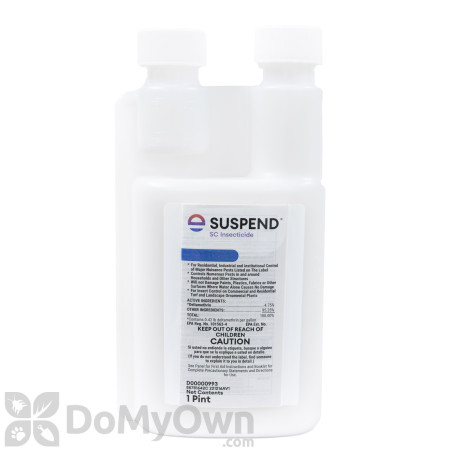
Bayer
Suspend SC Insecticide
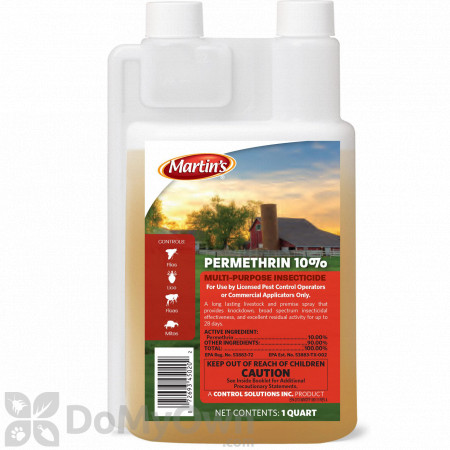
Control Solutions
Martin's Permethrin 10% Multi-Purpose Insecticide
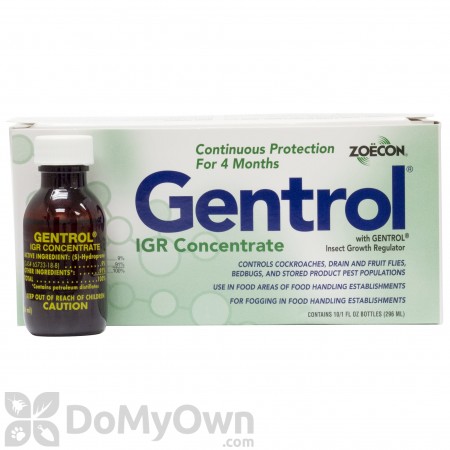
Zoecon
Gentrol IGR Concentrate