Fruit flies seem to appear from nowhere, but they're actually breeding in overlooked food sources in your kitchen. Eliminate those sources and you eliminate the problem.
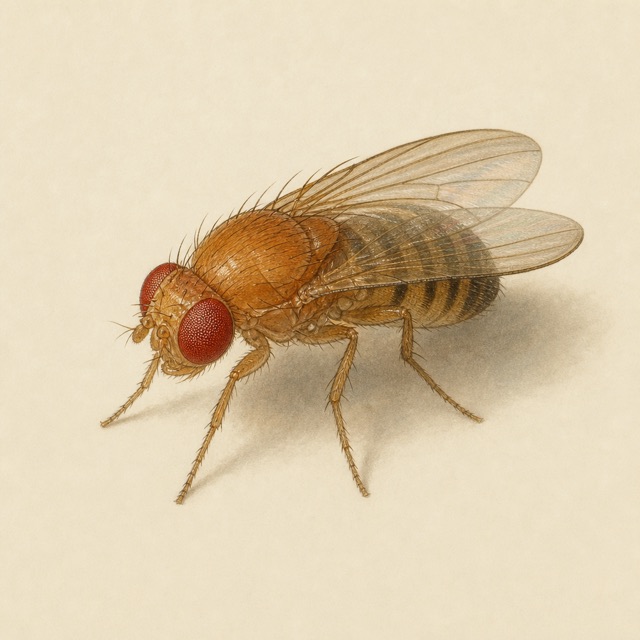
Fruit flies are very small (1/8 inch), tan to brownish-yellow with distinctive bright red eyes. They have a rounded abdomen, short antennae, and slow, hovering flight patterns. They are attracted to fermenting organic matter.
Similar Pests
Drain flies are gray, fuzzy, and rest with wings held roof-like. Fungus gnats are dark gray/black with longer legs. Phorid flies are faster, run erratically, and have a humpbacked appearance.
Signs of Infestation
- •Clouds of small flies hovering around fruit bowls, trash cans, or drains
- •Flies congregating near overripe fruit, open wine bottles, or fermenting liquids
- •Larvae (tiny white maggots) in rotting fruit, drain sludge, or garbage
- •Rapid population growth (lifecycle completes in 7-10 days)
Key Inspection Areas
- •Near fruit bowls, vegetable storage, and compost bins
- •Around kitchen trash cans, recycling bins, and drains
- •Near open wine bottles, beer cans, and sugary drink spills
- •In garbage disposals, mop buckets, and floor drain areas
When to Inspect
Inspect when fruit flies are first noticed (populations explode rapidly). Check daily during warm weather. Breeding sites must be found and eliminated within 7-10 days before new generation emerges.
Inspection Tools
Flashlight to inspect dark corners and drains, magnifying glass to identify species, apple cider vinegar traps to monitor population
Find the breeding source
Fruit flies breed in overripe fruit, the drain, spilled juice behind appliances, recycling bins, and even wet mops. You must find and eliminate every breeding source — traps alone won't work long-term.
Remove or refrigerate all fruit
Put all ripening fruit in the refrigerator. A single overripe peach or forgotten banana can sustain hundreds of fruit flies. Check for produce you've forgotten about.
Clean the drain
Fruit flies breed in the organic film inside sink drains. Pour boiling water down the drain, then scrub with a bottle brush. Use a Bio-Clean drain treatment or enzyme cleaner weekly.
Set traps for adults
Place TERRO Fruit Fly traps or DIY traps (apple cider vinegar + a drop of dish soap in a cup covered with plastic wrap with small holes) near the breeding area.
Deep clean the kitchen
Clean under and behind appliances. Wipe down all surfaces, especially under the toaster and coffee maker. Rinse recycling before it goes in the bin.
Check for hidden rotting produce
A forgotten potato, onion, or piece of fruit fallen behind a cabinet is a common overlooked breeding site for persistent infestations.
Prevent reinfestation
Keep fruit refrigerated during warm months. Empty recycling weekly. Run cold water through drains nightly. Problem solved permanently.
- 1Store ripe fruit in refrigerator instead of leaving on counters
- 2Take out kitchen trash daily and clean trash cans weekly
- 3Rinse recyclables (beer/wine bottles, cans) before placing in bins
- 4Clean drains weekly with enzymatic cleaner to remove ferment ing residue
- 5Wipe up spills immediately, especially sugary drinks and overripe fruit
- 6Cover compost bins tightly and take outdoor compost out daily
Seasonal Note
Fruit flies breed year-round indoors but populations peak in summer/fall when fruit is abundant. Eliminate breeding sites within 7 days before new generation emerges.
Where do fruit flies come from?
Primarily from eggs laid on ripening fruit before you buy it at the store. They can also enter through window screens. A single female lays 500 eggs — infestations grow fast.
Are fruit flies harmful?
They contaminate food with bacteria and yeast from breeding sites (including garbage and drains). They're more of a nuisance than a health risk, but fruit fly populations in commercial kitchens can trigger health code violations.
How long does it take to get rid of fruit flies?
If you eliminate all breeding sources, you can eliminate a fruit fly infestation in 4–7 days. Traps without source elimination will just thin the population, not solve the problem.
What's the difference between fruit flies and drain flies?
Fruit flies are small (3mm), reddish-brown with red eyes. Drain flies (also called moth flies) are slightly larger with fuzzy, moth-like wings and breed specifically in drains and sewage. Both are solved by eliminating breeding sites.
Do fruit fly traps work?
Yes for catching adults, but they don't address the breeding source. You'll catch 50 fruit flies while 500 new ones are hatching in your drain. Always combine traps with source elimination.
Quick Facts
- Size
- 1/8 inch
- Color
- Tan/brown with red eyes
- Habitat
- Kitchen, drains, fruit
- Active Season
- Year-round indoors
Danger Level: Low
This pest is primarily a nuisance but can be eliminated with DIY methods.