Those mysterious dirt mounds appearing overnight in your lawn aren't fairy rings—they're gopher fortresses, and beneath them lies a network of tunnels destroying your yard from below. These solitary, territorial rodents can devastate gardens, irrigation systems, and landscaping in a matter of weeks. The good news? With the right strategy, you can reclaim your property without turning your yard into a warzone.
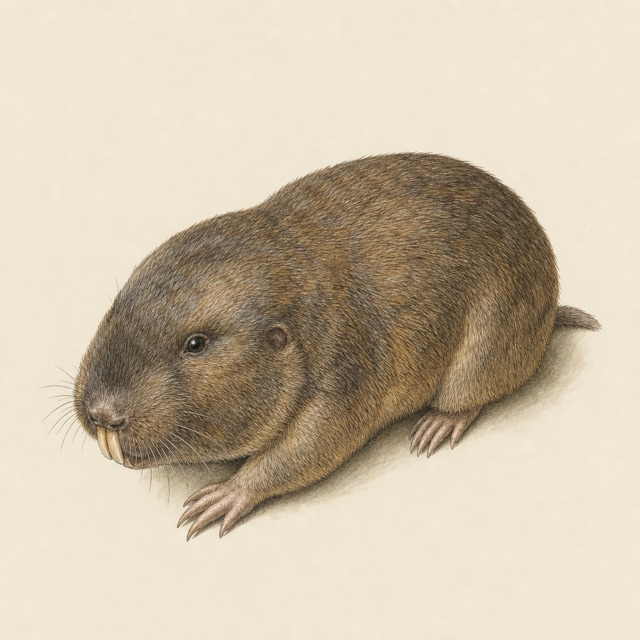
Pocket gophers are 6 to 12 inches long (body only, not including tail), stocky, with brown to gray fur, small ears and eyes, large yellow or brown front teeth, and large front claws for digging. They have fur-lined external cheek pouches for carrying food.
Similar Pests
Moles are smaller, have pointed snouts, no visible eyes/ears, and velvet-like fur. Ground squirrels have bushy tails and are active above ground. Voles are smaller and have short tails.
Signs of Infestation
- •Crescent or fan-shaped dirt mounds pushed to the surface with plugged holes to one side
- •Lateral underground tunnels visible as raised ridges in lawns
- •Entire plants suddenly pulled underground and disappearing from root consumption
- •Damaged irrigation lines, sprinkler heads, or underground cables from chewing
Key Inspection Areas
- •Lawns, gardens, and agricultural areas with loose, moist soil
- •Along fence lines, irrigation ditches, and garden bed edges
- •Under shrubs, trees, and ornamental plantings
- •Areas with fresh crescent-shaped dirt mounds pushed to surface
When to Inspect
Inspect year-round in mild climates, spring and fall in colder regions. Fresh mounds indicate active tunneling. Early morning inspection reveals new mounds from overnight digging.
Inspection Tools
Probe rod to locate tunnels beneath mounds, shovel to excavate and place traps, garden hose to flood tunnels and observe exits
Confirm You're Dealing with Gophers
Gopher mounds are fan-shaped or crescent-shaped with a plugged hole off to one side, unlike the volcano-shaped mounds of moles. The tunnels are typically 4-18 inches underground and feel spongy when you walk over them. Look for freshly excavated dirt—gophers are most active during dawn and dusk, so new mounds appearing overnight confirm active infestation.
Locate Active Tunnel Systems
Use a gopher probe (a long metal rod) or a sturdy screwdriver to find the main tunnels connecting the mounds. Probe 8-12 inches from the mound's plug side—you'll feel a sudden drop when you hit the tunnel. Mark active tunnels by covering them lightly with soil; if the tunnel is reopened within 24 hours, you've found your target zone.
Set Traps in Main Tunnels
Trapping is the most effective non-toxic method. Use two-pronged pincer traps like the Cinch Trap or wire box traps like the Victor Black Box Gopher Trap. Dig down to expose the tunnel, set two traps facing opposite directions, and cover the opening with a board to block light. Check traps daily and relocate if there's no catch within 48 hours—gophers are cautious and avoid disturbed areas.
Apply Toxic Baits Strategically
For larger infestations, use anticoagulant baits like Kaput Pocket Gopher Bait or zinc phosphide products applied directly into active tunnels with a special applicator probe. Never place bait on the surface—gophers rarely leave their tunnels. Follow label instructions precisely, as these are restricted-use pesticides in some states. This method works best in spring and fall when gophers are most actively feeding.
Try Exclusion for Gardens and Tree Roots
Install underground wire baskets (1/2-inch hardware cloth) around valuable plants, trees, and garden beds before planting. Bury the wire at least 2 feet deep and leave 6-12 inches above ground. For existing trees, create a 3-foot diameter cylinder extending 2 feet deep. This prevents root damage without requiring ongoing gopher control.
Use Burrow Fumigation as a Last Resort
Aluminum phosphide (Fumitoxin) or carbon monoxide machines can eliminate gophers in their tunnels, but these methods require training and licensing. DIY smoke bombs like Giant Destroyer are less effective because gophers can quickly seal off tunnel sections. Fumigation works best in spring when soil moisture traps the gas, and never attempt it near buildings or where pets have access.
Maintain a Gopher-Resistant Landscape
Remove excess vegetation and keep lawns mowed—gophers prefer overgrown areas with cover. Reduce irrigation frequency to make soil less attractive for digging. Plant gopher-spurge (Euphorbia lathyris) or daffodils as natural deterrents, though their effectiveness is debated. Most importantly, stay vigilant and address new activity immediately before populations explode.
Monitor and Prevent Re-Infestation
Walk your property weekly looking for fresh mounds. Gophers are territorial and solitary, so one gopher per tunnel system is normal, but vacant tunnels attract newcomers within days. Keep traps ready and maintain exclusion barriers. If you've eliminated the resident gopher, neighboring gophers will eventually move in, so ongoing monitoring is essential for long-term control.
- 1Install 1/2-inch or 1/4-inch wire mesh (hardware cloth) underground around garden beds (2 feet deep, 6 inches above ground)
- 2Use raised garden beds with wire mesh bottoms to protect vegetables
- 3Remove excess vegetation and cover that provides gopher protection from predators
- 4Encourage natural predators (owls, hawks, snakes) by installing nest boxes
- 5Avoid overwatering lawns and gardens — gophers prefer moist soil
- 6Trap gophers in spring before breeding season to prevent population growth
Seasonal Note
Gophers breed in spring. Trapping in late winter/early spring reduces breeding population and prevents summer/fall damage.
What's the fastest way to get rid of gophers?
Trapping is the fastest and most reliable method, often catching gophers within 24-48 hours when traps are properly placed in active main tunnels. Unlike baits or repellents that take time to work or may fail entirely, a well-set trap physically removes the problem. For immediate results on a small property, hire a licensed trapper who can clear your yard in days.
Do ultrasonic repellents or castor oil actually work on gophers?
No, scientific studies show ultrasonic devices and castor oil treatments are largely ineffective against gophers. Gophers live almost entirely underground where soil dampens sound and chemicals dissipate rapidly. While some homeowners report temporary success, these methods don't provide reliable long-term control. Save your money for proven methods like trapping, exclusion, or professional-grade baits.
How many gophers are probably in my yard?
Likely fewer than you think—gophers are solitary and highly territorial, with typically only one gopher per tunnel system. A single gopher can create 200+ mounds per year, giving the impression of a huge infestation. However, yards over an acre may host 2-5 gophers in separate territories. The good news is that eliminating even one gopher will dramatically reduce visible damage.
Will gophers eventually leave on their own?
No, gophers won't leave as long as your property provides food and suitable soil. They're homebodies with territories they defend for life, constantly digging new tunnels to find roots, bulbs, and tubers. Without intervention, damage will only worsen as they expand tunnel networks and new gophers colonize adjacent areas. Active control is necessary—waiting them out isn't a viable strategy.
Are gophers dangerous to humans or pets?
Gophers rarely bite humans and generally avoid all contact, but they can become aggressive if cornered or handled. The real dangers are indirect: tunnel collapses creating ankle-breaking holes, damaged irrigation causing flooding, and chewed electrical lines sparking fires. Dogs sometimes get bitten while digging for gophers, and pets can be poisoned by improperly applied rodenticides. Always use caution with control methods around animals and children.
Quick Facts
- Size
- 6-12 inches long
- Color
- Brown to black, sometimes gray
- Habitat
- Underground tunnel systems in yards, gardens, agricultural fields, and meadows with soft, moist soil
- Active Season
- Year-round activity, peak spring and fall
Danger Level: High
This pest poses significant health or property risks. Act quickly and consider professional help.