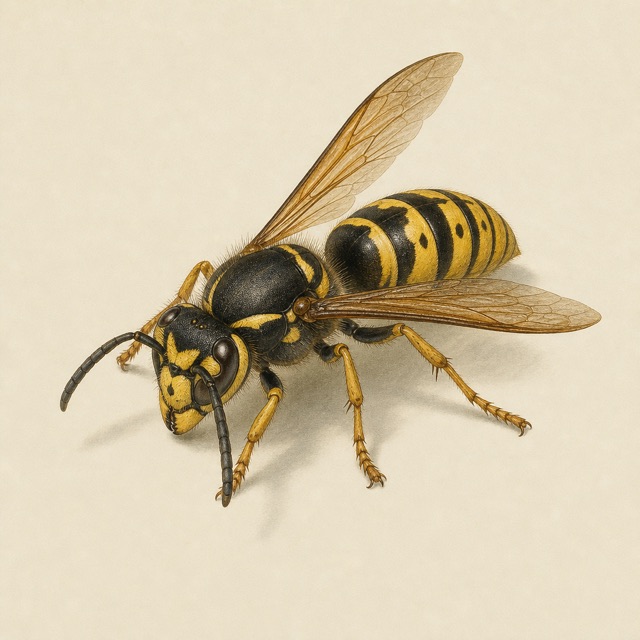
Hornets are among the most feared insects in North America, and for good reason—they're larger, more aggressive than wasps, and their stings pack a serious punch. Unlike honeybees that die after stinging once, a single hornet can sting multiple times and will actively defend its nest with remarkable fury. Understanding the difference between hornets and other stinging insects is your first step toward safe, effective removal.
Bald-faced hornets are 1/2 to 5/8 inch (workers) to 3/4 inch (queens), mostly black with white or pale markings on face, thorax, and abdomen tip. European hornets are larger (3/4 to 1.5 inches), brown with yellow abdominal stripes. Both have thick bodies and aggressive behavior.
Similar Pests
Yellow jackets are smaller, brighter yellow/black, and nest in ground or voids. Paper wasps are slimmer with long dangling legs. Honey bees are fuzzy and tan/brown, not black/white or brown/yellow.
Signs of Infestation
- •Large paper nests (football- to basketball-sized) hanging from tree branches, eaves, or structures
- •Aggressive hornets guarding nests, especially in late summer and fall
- •Loud buzzing from large nests containing hundreds to thousands of hornets
- •Chewed wood fibers on fences or siding where hornets gather material for nest building
Key Inspection Areas
- •Tree branches, especially in large deciduous trees 10+ feet high
- •Under eaves, soffits, and porch ceilings on structures
- •Inside attics, wall voids, and abandoned outbuildings
- •Shrubs and dense vegetation near homes
When to Inspect
Inspect in late summer and fall when nests are largest and hornets are most aggressive. Early morning or dusk is safest for observation when workers are less active. Look for flight paths to identify nest location.
Inspection Tools
Binoculars to observe nests from safe distance, red-filtered flashlight for night inspection (hornets don't see red light well), protective clothing if approaching nest
Identify the Hornet Species and Locate the Nest
Confirm you're dealing with hornets, not yellow jackets or paper wasps. Bald-faced hornets are black and white with large, football-shaped paper nests, while European hornets are brown and yellow, often nesting in hollow trees or wall voids. Observe from a safe distance (at least 15-20 feet) during daylight to track their flight path back to the nest. Never approach or disturb the nest during this phase—hornets can sense vibrations and will aggressively defend their colony.
Assess the Danger and Decide: DIY or Professional
If the nest is larger than a basketball, located near high-traffic areas, or you're allergic to stings, call a professional immediately. Ground-level or small nests (softball-sized or smaller) away from activity zones may be DIY-manageable. Consider that a mature hornet nest can house 400-700 workers who will all defend simultaneously if threatened. The risk-reward calculation here is crucial—professionals have protective gear and experience that significantly reduce danger.
Gear Up With Proper Protective Equipment
If proceeding with DIY removal, invest in a full bee suit with veil, thick gloves, and boots with pants tucked in—hornets will crawl up pant legs. Wear layers underneath as hornets can sting through thin fabric. Have an escape route planned and cleared of obstacles. Never attempt removal alone; have someone nearby (at a safe distance) who can call for help if needed. Remove the nest only after dark when hornets are less active and inside the nest.
Apply Knockdown Spray From a Safe Distance
Use a long-range hornet and wasp killer like Spectracide Wasp & Hornet Killer or Raid Wasp & Hornet Spray, which shoot 20+ feet. Approach quietly at dusk or night with a red-filtered flashlight (hornets can't see red light well). Saturate the nest entrance with foam spray for 10-15 seconds in steady bursts. Retreat immediately and wait several hours or until the next evening. You may need 2-3 applications over consecutive nights for complete elimination.
Remove and Dispose of the Dead Nest
Wait 24-48 hours after the final treatment before removal. Still wear protective gear—some hornets may have been away foraging and returned. Carefully cut down aerial nests with long-handled pruners or scrape down attached nests with a paint scraper on an extension pole. Immediately seal the nest in a heavy-duty garbage bag and dispose in an outdoor bin. Spray the attachment area with residual insecticide like Tempo SC Ultra to prevent rebuilding.
Treat the Area to Prevent Re-establishment
Apply a residual barrier spray containing cypermethrin or bifenthrin (like Talstar P or Tempo SC) to eaves, overhangs, tree branches, and other potential nesting sites. This creates a protective barrier that lasts 30-90 days. Hornets scout for nest locations in spring, so early-season prevention is key. Fill any structural gaps, holes, or voids in walls where European hornets might nest—they prefer enclosed spaces.
Deploy Preventive Traps in Early Spring
Set out hornet traps like RESCUE! WHY Trap or homemade bottle traps in April-May to catch queens emerging from hibernation. A single trapped queen prevents an entire colony. Position traps 20-30 feet from outdoor living areas—you want to intercept hornets before they reach you. Use protein-based baits (raw meat, cat food) in spring when queens need protein, switching to sweet baits (fruit juice, soda) in late summer.
Modify Your Yard to Make It Less Attractive
Keep outdoor trash cans sealed and clean up fallen fruit immediately—hornets are attracted to sugars and fermenting matter. Reduce exterior lighting at night, which attracts the insects hornets prey on. Trim tree branches away from your house and maintain a tidy yard with minimal debris. Remove wood piles, old equipment, and unused structures where hornets might nest. Regular yard maintenance significantly reduces hornet habitat suitability.
- 1Inspect property in early spring for small starter nests (golf-ball size) and remove before colonies grow
- 2Seal attic vents, soffits, and other potential nesting sites with screening or caulk
- 3Keep garbage cans tightly sealed and remove fallen fruit from yard
- 4Avoid wearing bright colors, floral patterns, or strong perfumes outdoors in late summer
- 5Don't swat at hornets — move away slowly if they approach
- 6Remove nests in early spring or late fall when colonies are inactive (hire professional for large nests)
Seasonal Note
Early spring nest removal (April-May) prevents large colonies. Wait until after first hard freeze to remove nests safely — colony is dead.
What's the difference between hornets and wasps?
Hornets are actually a subspecies of wasps, but they're typically larger, thicker-bodied, and more aggressive. True hornets in North America include the bald-faced hornet (technically a yellow jacket) and European hornet. Hornets build enclosed paper nests, while many wasps build open-comb nests. Hornet colonies are also generally larger, and they're more likely to attack in swarms when their nest is threatened compared to solitary wasps.
When is the safest time to remove a hornet nest?
The safest time is late evening or night (after 9 PM) when temperatures drop below 50°F and hornets are sluggish and inside the nest. Early morning before sunrise is the second-best option. Never attempt removal during the day or in warm weather when hornets are active. The absolute safest time is after the first hard frost in fall when the colony has died off naturally—though the nest should still be removed to prevent reuse by other pests.
How dangerous is a hornet sting compared to a bee sting?
Hornet stings are significantly more painful than honeybee stings due to higher concentrations of acetylcholine and histamine in their venom. They also inject more venom per sting—about 5-10 times more than a bee. Unlike bees, hornets retain their stingers and can attack repeatedly. Multiple stings can cause severe reactions even in non-allergic people, and 3-5% of the population has potentially life-threatening allergic reactions. If you experience difficulty breathing, widespread hives, or dizziness after a sting, seek emergency medical care immediately.
Can I just leave a hornet nest alone if it's not bothering me?
This depends entirely on location and species. If the nest is in a remote area of your property with no foot traffic, you can safely leave it—the colony will die with the first frost and won't reuse the nest next year. However, nests near doors, windows, play areas, or walkways pose significant risk as hornets become more defensive as the colony grows. European hornets are active at night and attracted to lights, making them more likely to encounter humans. When in doubt, removal is safer than hoping for peaceful coexistence.
Do ultrasonic repellents or natural remedies actually work on hornets?
No, ultrasonic devices have been thoroughly debunked and show zero effectiveness against hornets or any stinging insects. Natural remedies like peppermint oil, vinegar, or cucumber may have minor deterrent effects but won't eliminate an established colony or prevent nest building. The only proven natural method is physically removing attractants (food sources, nesting sites). For active infestations, you need insecticidal products specifically formulated for hornets—the risk is too high to experiment with unproven methods.
Quick Facts
- Size
- 3/4 - 1.5 inches
- Color
- Black and white, or brown/orange with yellow markings
- Habitat
- Aerial paper nests in trees, shrubs, eaves, attics, and protected outdoor structures
- Active Season
- Spring through fall (peak activity July-September)
Danger Level: High
This pest poses significant health or property risks. Act quickly and consider professional help.
Top Products
Recommended for How to Get Rid of Hornets: Complete Guide
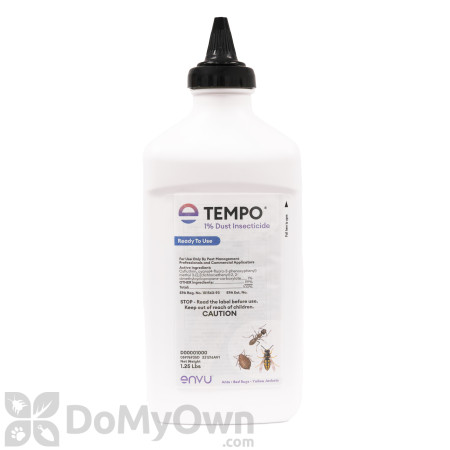
Bayer
Tempo 1% Dust Insecticide
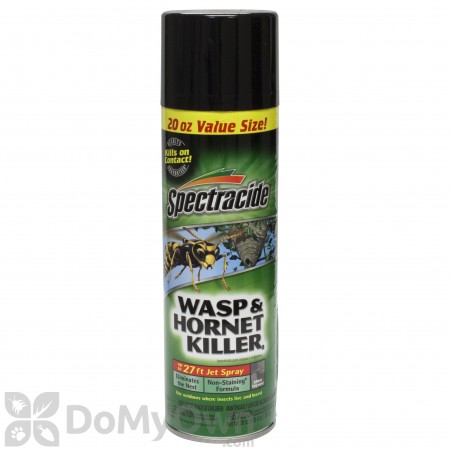
Spectracide
Spectracide Wasp & Hornet Killer Aerosol
Bayer
Bayer Season-Long Grub Control