House flies are more than just an annoyance — they're capable of transmitting over 100 different pathogens including Salmonella, E. coli, and cholera by landing on food after visiting garbage and animal waste. A single pair of flies can produce over a million offspring in a season. Here's how to eliminate them fast and prevent them from coming back.
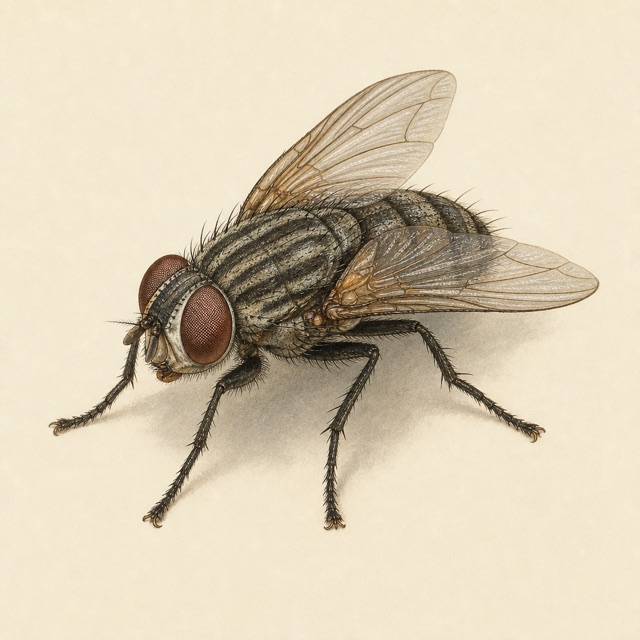
House flies are medium-sized flies, about 1/4 inch long, with dull gray bodies and four dark stripes on the thorax (upper back). They have large reddish-brown compound eyes, sponging mouthparts (they cannot bite), and a single pair of functional wings with halters behind them.
Similar Pests
Cluster flies are slightly larger and more sluggish with golden hairs on the thorax. Flesh flies have three dark stripes instead of four and a checkerboard pattern on the abdomen. Blow flies are metallic blue or green.
Signs of Infestation
- •Multiple flies buzzing around kitchens, dining areas, and garbage cans
- •Small dark spots (fly specks) on walls, ceilings, and light fixtures
- •Maggots found in garbage cans, compost, or rotting food sources
- •Flies clustering on windows and screens trying to get outdoors
Key Inspection Areas
- •Garbage cans and dumpsters, especially those with organic waste
- •Pet waste areas, compost bins, and decaying vegetation in the yard
- •Around entry points — doors, windows, and gaps in screens
- •Kitchen drains, recycling bins, and anywhere food residue accumulates
When to Inspect
Inspect during warm daylight hours when flies are most active. Follow their flight patterns to identify breeding sources. The breeding source is usually within 500 feet of where flies are seen indoors.
Inspection Tools
Fly ribbon or sticky traps to gauge population levels, flashlight for checking drains and hidden organic buildup
Find and eliminate the breeding source
House flies breed in rotting organic matter. Check garbage cans, compost bins, pet waste, decaying food, and dirty drains. Removing the breeding source is 90% of the solution — without it, traps and sprays provide only temporary relief.
Seal entry points
Repair or install screens on all windows and doors. Check for gaps around door frames and install door sweeps. Use screen mesh with openings no larger than 1/16 inch.
Set up fly traps indoors
Use UV light fly traps (like DynaTrap or Gardner) in kitchens and dining areas. Sticky fly ribbons work well in garages and utility rooms. Avoid bug zappers indoors — they spread fly parts and bacteria.
Deploy outdoor fly traps and bait
Place disposable fly traps (Rescue! Fly Trap) at least 20 feet from entry doors to draw flies away from the house. Use fly bait stations near garbage areas to intercept flies before they come indoors.
Use residual insecticide on exterior surfaces
Apply a residual pyrethroid spray to exterior walls, door frames, and window frames where flies rest. Bifen IT or Demand CS provides weeks of knockdown on treated surfaces.
Maintain strict sanitation
Clean garbage cans with hot water and bleach monthly. Wipe down kitchen surfaces daily. Remove pet waste promptly. Empty and clean indoor trash cans before they attract flies.
Monitor and maintain throughout the season
Replace sticky traps monthly and monitor catch rates. If fly numbers increase, re-inspect for new breeding sources. A sudden increase usually means a new source of rotting organic matter has appeared.
- 1Keep all garbage in sealed bins with tight-fitting lids and take trash out frequently
- 2Install or repair window and door screens — ensure no gaps larger than 1/16 inch
- 3Clean up pet waste from the yard daily
- 4Rinse recycling containers before storage and keep bins clean
- 5Don't leave food uncovered on counters; cover fruit bowls and stored produce
- 6Clean kitchen drains weekly to remove organic buildup that attracts flies
Seasonal Note
Fly populations explode in summer when warm temperatures accelerate breeding. Start preventive measures in late spring. Close entry points and begin trapping before populations peak in July-August.
Do house flies bite?
No. House flies have sponging mouthparts and cannot bite. They feed by regurgitating digestive fluid onto food and then sponging it up. If you're being bitten, you likely have stable flies, horse flies, or another biting fly species.
How long do house flies live?
Adult house flies typically live 15-25 days but can survive up to 2 months in cool conditions. A female can lay 500+ eggs in her lifetime, depositing batches of 75-150 eggs at a time on rotting organic material.
Why are there suddenly so many flies in my house?
A sudden fly invasion usually means there's a breeding source nearby — a forgotten trash bag, a dead animal in a wall void, rotting produce, or dirty drains. Find and remove the source, and fly numbers will drop quickly.
Do fly traps really work?
UV light traps and sticky traps effectively catch adult flies indoors. However, traps alone won't solve the problem if the breeding source isn't eliminated. Use traps as part of an integrated approach, not as the sole solution.
Are house flies dangerous?
House flies can transmit over 100 pathogens including bacteria, viruses, and parasites. They pick up germs from garbage, feces, and decaying matter, then transfer them to food and surfaces. While the risk from a few flies is low, large populations pose a real health concern.
Quick Facts
- Size
- 1/4 - 3/8 inch
- Color
- Dull gray with four dark longitudinal stripes on the thorax
- Habitat
- Near human habitation, garbage, animal waste, and decaying organic matter
- Active Season
- Spring through fall, peak in summer
Danger Level: Low
This pest is primarily a nuisance but can be eliminated with DIY methods.
Top Products
Recommended for How to Get Rid of House Flies: Complete 2025 Guide
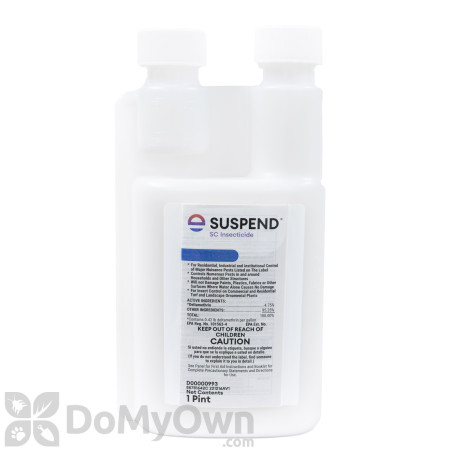
Bayer
Suspend SC Insecticide
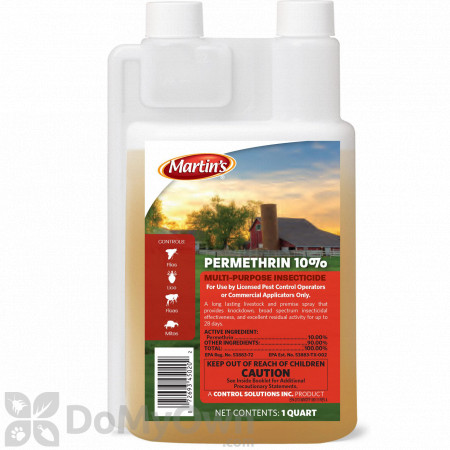
Control Solutions
Martin's Permethrin 10% Multi-Purpose Insecticide
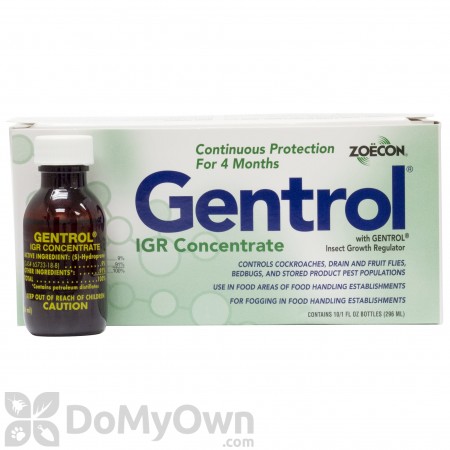
Zoecon
Gentrol IGR Concentrate