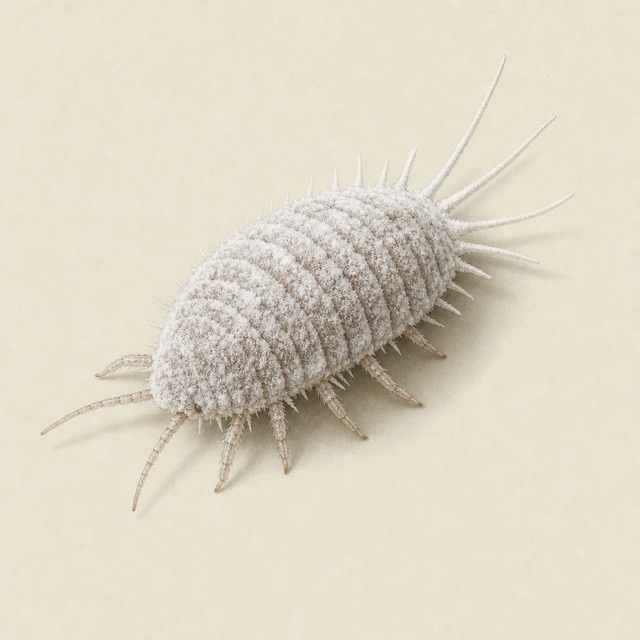
Those white, cottony clusters on your houseplants aren't mold—they're mealybugs, sneaky sap-suckers that can slowly kill your favorite plants. These tiny pests hide in leaf joints and stems, multiplying rapidly while draining your plants of nutrients. The good news? With persistence and the right approach, you can eliminate them completely and protect your plant collection.
Mealybugs: Complete Guide are identifiable by their White to light gray with waxy coating coloring and 1/10 - 1/5 inch size. Scientific name: Pseudococcidae family. They have distinct physical features that help differentiate them from similar pests.
Signs of Infestation
- •Physical sightings of the pest in or around the affected area
- •Damage patterns characteristic of this pest's feeding or nesting behavior
- •Droppings, shed skins, or other biological evidence of infestation
Key Inspection Areas
- •Areas where Indoor houseplants, greenhouses, outdoor gardens in warm climates, especially in leaf axils, stems, and undersides of leaves is commonly found
- •Entry points and harborage sites specific to this pest
- •Food and water sources that attract this pest
When to Inspect
Inspect during peak activity times for this pest. Check regularly during their active season (Year-round indoors; spring through fall outdoors).
Inspection Tools
Flashlight for inspecting dark areas, appropriate traps for monitoring
Isolate Infected Plants Immediately
As soon as you spot mealybugs, quarantine the affected plant away from your other greenery. Mealybugs spread easily through plant contact and can even crawl short distances. Check neighboring plants thoroughly with a magnifying glass, paying special attention to stem joints, leaf undersides, and new growth. This quarantine should last at least 2-3 weeks after treatment begins.
Manual Removal with Alcohol
Dip cotton swabs in 70% isopropyl rubbing alcohol and dab each visible mealybug directly. The alcohol dissolves their waxy protective coating and kills them on contact. For heavier infestations, spray the entire plant with a solution of 1 part rubbing alcohol to 3 parts water, adding a few drops of dish soap. Repeat this process every 3-4 days for two weeks to catch newly hatched nymphs.
Apply Insecticidal Soap or Neem Oil
Use a ready-to-use insecticidal soap like Safer Brand or mix pure neem oil (1-2 tablespoons per gallon of water with a few drops of dish soap as an emulsifier). Thoroughly spray all plant surfaces, especially hidden areas where mealybugs congregate. Neem oil also disrupts their reproductive cycle. Apply weekly for 3-4 weeks, always in the evening or on cloudy days to prevent leaf burn.
Use Systemic Insecticides for Stubborn Cases
For persistent infestations, systemic insecticides like Bonide Systemic Houseplant Insect Control (containing imidacloprid) work from the inside out. Mix the granules into the soil according to package directions, and as the plant absorbs it, the sap becomes toxic to mealybugs. This method takes 1-2 weeks to show results but provides protection for up to 8 weeks.
Introduce Natural Predators
For greenhouses or severe outdoor infestations, release beneficial insects like mealybug destroyers (Cryptolaemus montrouzieri) or green lacewings. These natural predators feed voraciously on mealybugs at all life stages. You can order them online from suppliers like Arbico Organics or Nature's Good Guys. This biological control works best in enclosed spaces where predators won't simply fly away.
Prune Heavily Infested Areas
If certain stems or leaves are severely infested, it's often easier to prune them off entirely. Use clean, sharp scissors or pruning shears sterilized with rubbing alcohol between cuts. Seal the removed plant material in a plastic bag before throwing it away—never compost mealybug-infested material. This reduces the pest population significantly and allows you to focus treatment on the remaining plant.
Monitor and Prevent Re-Infestation
Inspect your plants weekly for at least two months, looking for the telltale white fuzz or sticky honeydew residue. Always quarantine and inspect new plants for 2-3 weeks before introducing them to your collection. Maintain plant health with proper watering and lighting—stressed plants are more susceptible to mealybug attacks. Consider wiping down leaves monthly with a damp cloth as preventive maintenance.
- 1Eliminate food sources and properly store food items
- 2Reduce moisture and fix any water leaks
- 3Seal entry points and potential access routes
- 4Maintain cleanliness and reduce clutter that provides harborage
- 5Monitor regularly and address problems early before populations grow
Why do my plants keep getting mealybugs even after treatment?
Mealybugs have a multi-stage lifecycle, and eggs can survive most treatments. You're likely seeing new nymphs hatching from eggs that were present during your initial treatment. This is why repeated applications every 3-7 days for at least 3 weeks are essential—you need to break the reproductive cycle. Also check that you're not bringing in new infestations on new plants or contaminated pots.
Can mealybugs spread to other plants in my home?
Absolutely yes. Adult female mealybugs can crawl from plant to plant, especially when leaves touch. They can also spread via contaminated tools, hands, or even by falling onto nearby surfaces and crawling to new hosts. This is why immediate isolation is critical. Some species even have a crawler stage where young nymphs are more mobile and actively seek new feeding sites.
Are mealybugs harmful to humans or pets?
Mealybugs themselves pose no direct threat to humans or pets—they only feed on plant sap. However, some treatment products like systemic insecticides should be kept away from children and pets. The honeydew (sticky excrement) mealybugs produce can attract ants and promote sooty mold growth on plants and nearby surfaces, which is unsightly but not dangerous.
What's the white fuzzy stuff around mealybugs?
That's a waxy, cotton-like coating that mealybugs secrete to protect themselves from predators, moisture loss, and pesticides. This coating is one reason they're so difficult to control—it repels water-based sprays. Female mealybugs also produce white, fluffy egg sacs that can contain hundreds of eggs. This is why alcohol or oil-based treatments work better than plain water, as they penetrate this protective barrier.
How long does it take to completely eliminate a mealybug infestation?
With consistent treatment, you can eliminate visible mealybugs in 2-4 weeks, but complete eradication often takes 6-8 weeks. The eggs are incredibly resilient and can hatch up to 10 days after the adults are gone. You need to maintain weekly inspections and treatments throughout this period. Systemic insecticides may work faster (2-3 weeks) but should be combined with manual removal for best results.
Quick Facts
- Size
- 1/10 - 1/5 inch
- Color
- White to light gray with waxy coating
- Habitat
- Indoor houseplants, greenhouses, outdoor gardens in warm climates, especially in leaf axils, stems, and undersides of leaves
- Active Season
- Year-round indoors; spring through fall outdoors
Danger Level: Medium
This pest can cause health issues or property damage if left untreated.