Those telltale raised tunnels and volcano-shaped mounds across your lawn aren't just unsightly—they're evidence of moles turning your yard into their personal buffet. These solitary, subterranean insectivores can create hundreds of feet of tunnels in just one day, causing extensive damage to roots, irrigation systems, and the aesthetic appeal of your property. The good news? With the right approach, you can reclaim your lawn without resorting to toxic chemicals.
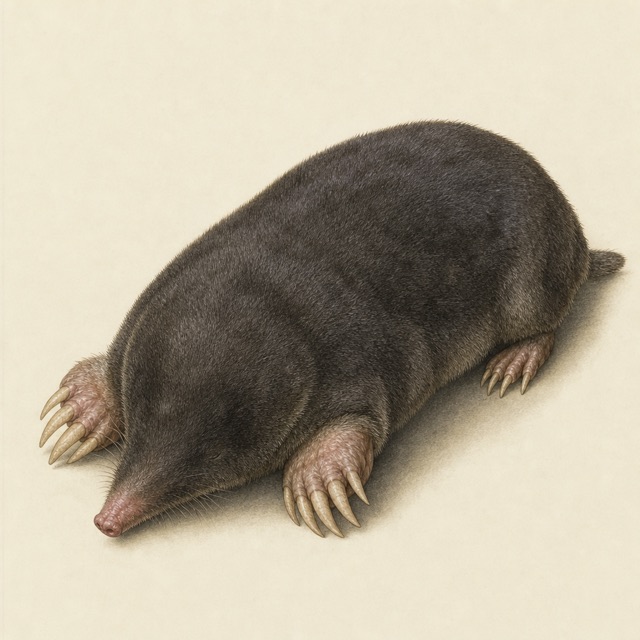
Moles are 4 to 7 inches long, with velvety gray to black fur, a pointed snout, no visible eyes or ears, large paddle-like front feet with long claws for digging, and a short, nearly hairless tail.
Similar Pests
Gophers are larger, have visible eyes/ears, yellow teeth, and fan-shaped mounds. Voles have visible eyes/ears and create surface runways. Shrews are smaller and eat insects, not earthworms.
Signs of Infestation
- •Raised surface ridges (tunnels) crisscrossing lawns and gardens
- •Volcano-shaped dirt mounds pushed straight up from deep tunnels
- •Damaged plant roots from tunneling activity
- •Spongy, uneven turf from subsurface tunnels
- •Activity year-round, especially visible after rain when soil is soft
Key Inspection Areas
- •Lawns, gardens, and turf areas with moist, loose soil rich in earthworms
- •Areas with recent watering or rainfall (soft soil is easier to tunnel)
- •Along property lines, fence rows, and landscape bed edges
- •Raised surface ridges (shallow tunnels) crisscrossing grass
When to Inspect
Inspect year-round (moles are active all year). Check in early morning for fresh ridges from overnight tunneling. Peak activity is spring and fall when soil moisture is optimal.
Inspection Tools
Probe rod to locate deep tunnels, shovel to set traps in main runways, garden hose to flood tunnels and observe active routes
Identify Active Tunnels vs. Abandoned Ones
Step on several raised tunnel sections to flatten them, then mark these spots with flags or spray paint. Check back in 24-48 hours—moles will re-raise active tunnels they're currently using. Focus all your control efforts on these active runs, as moles abandon many exploratory tunnels. Active tunnels typically connect feeding areas to deeper permanent burrows and are used repeatedly.
Reduce the Food Source
Moles primarily eat earthworms, grubs, and soil insects, consuming up to 80% of their body weight daily. Apply beneficial nematodes or milky spore to reduce grub populations, which makes your lawn less attractive. However, don't expect this alone to eliminate moles—they'll still find earthworms. Consider using granular grub control products like BioAdvanced or Scotts GrubEx in late spring or early summer for best results.
Set Scissor or Harpoon Traps in Active Tunnels
Trapping is the most effective mole control method with 80-90% success rates. Use Victor Mole Traps (scissor-jaw style) or Wire Tek Harpoon Traps positioned directly over active tunnels. Locate the straightest section of an active tunnel between two mounds, set the trap according to instructions, and check daily. Wear gloves to minimize human scent, and expect to catch the culprit within 3-5 days in most cases.
Try Repellents as a Secondary Defense
Castor oil-based repellents like Liquid Fence Mole Repellent or I Must Garden Mole Repellent can help drive moles to neighboring properties when applied consistently. Spray or granulate over the entire affected area after rain or watering, reapplying every 4-6 weeks. While not as effective as trapping, repellents work well for mild infestations or as a preventive measure, especially when combined with other methods.
Install Underground Barriers for High-Value Areas
For garden beds, flower borders, or specific lawn sections, bury 1/4-inch hardware cloth 24 inches deep with 6 inches above ground, bending the bottom outward in an L-shape. This physical exclusion prevents moles from tunneling into protected areas. While labor-intensive, it's a permanent solution for small, valuable spaces where other methods aren't practical or desired.
Address Soil Moisture and Compaction Issues
Overly moist soil attracts earthworms, which in turn attracts moles. Improve drainage in chronically wet areas, fix irrigation leaks, and avoid overwatering. Aerate compacted soil in spring or fall to improve root health and reduce the concentration of insects in the upper soil layer. While this won't eliminate moles completely, it makes your property less of a mole paradise.
Consider Professional Trapping Services
If you've tried trapping without success or have a severe multi-mole infestation, licensed wildlife control operators have specialized equipment and expertise. They typically charge $75-150 for initial setup plus $50-75 per mole caught. Professionals can also identify entry points from adjacent properties and provide exclusion recommendations that DIY efforts might miss.
Maintain Vigilance and Monitor for New Activity
Even after successful mole removal, neighboring moles may move into your yard's vacant territory within weeks or months. Conduct weekly visual inspections of your lawn during peak seasons, looking for new tunnel systems or mounds. Keep traps stored and ready to deploy at first signs of activity. Prevention is easier than dealing with an established mole that's created extensive tunnel networks.
- 1Reduce lawn watering to make soil harder to tunnel and less attractive to earthworms (mole food)
- 2Install underground barrier fences (1/4-inch mesh, 2 feet deep) around high-value areas like gardens
- 3Eliminate grubs (mole food source) with grub control products
- 4Compact soil in mole runways by rolling or walking on them to make tunneling harder
- 5Encourage natural predators like hawks and owls by installing nest boxes
- 6Trap moles in spring before breeding season to prevent population growth
Seasonal Note
Moles are active year-round but most visible in spring/fall when soil moisture is optimal. Trap in spring to reduce breeding population.
Do ultrasonic or vibrating solar stake repellents actually work against moles?
Most independent studies show these devices have minimal to no effect on mole activity. Moles may avoid them temporarily for a few days, but they quickly habituate to the vibrations and sound. Save your money and invest in proven methods like trapping or castor oil repellents instead. The best results come from physical removal or creating an environment they find inhospitable.
How many moles are typically causing damage in my yard?
Despite extensive tunnel damage, most residential properties have only 1-3 moles at any given time. Moles are solitary and territorial except during breeding season. A single mole can create 15-20 feet of new tunnels per day and maintain a territory of up to 2 acres. What looks like an army of moles is usually just one very active individual working around the clock.
Are moles actually damaging my grass roots, or is it just cosmetic?
The damage is primarily cosmetic from raised tunnels and mounds, though shallow tunneling does separate grass roots from soil contact, leading to brown patches during dry weather. Moles actually benefit lawns by aerating soil and eating destructive grubs. However, their tunnels can also provide runways for voles and mice, which do eat plant roots. The aesthetic damage and potential secondary pest issues usually justify control efforts for most homeowners.
What's the difference between mole mounds and gopher mounds?
Mole mounds are volcano-shaped with the hole in the center, while gopher mounds are crescent or fan-shaped with the hole off to one side. Moles also create raised surface tunnels (ridges), whereas gophers rarely do. Moles eat insects and earthworms, while gophers are herbivores that destroy plant roots. Proper identification is crucial because control methods differ significantly between these two pests.
Is it legal to kill moles, or do I need special permits?
In most U.S. states, moles are classified as non-game wildlife that can be controlled by property owners without permits when causing damage. However, some states require trapping licenses or restrict certain control methods. Check with your state's Department of Natural Resources or Fish and Wildlife agency before taking action. Some areas also prohibit the use of poison baits, making traps or repellents your only legal options.
Quick Facts
- Size
- 6-8 inches long (body), weighing 3-5 ounces
- Color
- Gray to dark brown fur with lighter underside
- Habitat
- Moist, loamy soil in lawns, gardens, golf courses, and fields where earthworms and grubs are abundant
- Active Season
- Year-round activity, most visible damage in spring and fall when soil moisture is optimal
Danger Level: Medium
This pest can cause health issues or property damage if left untreated.