Mosquitoes breed in standing water and can ruin outdoor living. The good news: eliminating their breeding sites combined with targeted treatment can reduce mosquito populations by 90% in your yard.
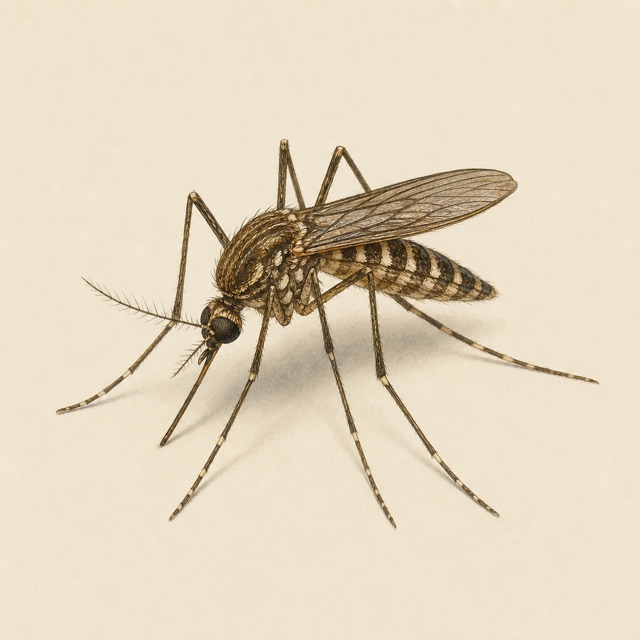
Adult mosquitoes are 1/4 to 3/8 inch long, slender, with long legs, narrow wings, and a long proboscis (piercing mouthpart). Females have a straight proboscis; males have feathery antennae. They are gray, brown, or black, often with white stripes or spots.
Similar Pests
Crane flies (mosquito hawks) are much larger, don't bite, and have very long legs. Midges lack the long proboscis. Fungus gnats are smaller and found near soil, not water.
Signs of Infestation
- •High-pitched whining buzz near ears, especially at dusk or dawn
- •Itchy red welts or bumps from bites, often in exposed areas
- •Mosquitoes resting on walls, ceilings, or in vegetation during the day
- •Standing water sources nearby (birdbaths, clogged gutters, containers) where larvae develop
- •Mosquito larvae (wrigglers) visible in stagnant water
Key Inspection Areas
- •Standing water in birdbaths, clogged gutters, and plant saucers
- •Tires, buckets, tarps, and containers holding rainwater
- •Ponds, ditches, and low areas with stagnant water
- •Tree holes, stumps, and bamboo stalks with water accumulation
When to Inspect
Inspect in late afternoon or evening when mosquitoes are most active. Check every 7 days (mosquito lifecycle completes in 7-10 days). Inspect after rain when new breeding sites fill with water.
Inspection Tools
Flashlight to inspect dark containers, dipper or cup to sample water for larvae, mosquito dunks (Bti) to treat water that can't be drained
Eliminate standing water
Mosquitoes breed in any standing water — even bottle caps. Empty flower pots, birdbaths, gutters, tarps, and any container holding water. This is the most important step.
Treat water you can't eliminate
Add Mosquito Dunks to ponds, rain barrels, and other water features. BTI larvae control — kills larvae without harming fish, pets, or wildlife.
Apply permethrin yard spray
Spray Martin's Permethrin 10% on all vegetation — grass, shrubs, and low branches. Mosquitoes rest in shade during the day. Treat every 3–4 weeks.
Focus on entry points
Treat patios, under decks, along the fence line, and around the foundation. These are where mosquitoes congregate.
Use fans on patios
Mosquitoes are weak fliers. A box fan pointed outward on your patio reduces bites by 65% according to studies. Simple and effective.
Maintain gutters
Clogged gutters create standing water inches from your home. Clean them twice yearly and consider gutter guards.
Consider a misting system
For serious problems, automated mosquito misting systems can reduce populations by 80%+. Requires initial investment but highly effective.
- 1Eliminate all standing water sources weekly — empty saucers, birdbaths, gutters, and containers
- 2Treat water that can't be drained (ponds, rain barrels) with mosquito dunks (Bti)
- 3Clean clogged gutters and fix drainage issues that create standing water
- 4Change pet water bowls and birdbath water every 2-3 days
- 5Install or repair window and door screens (16-mesh or finer)
- 6Use fans on patios and porches — mosquitoes are weak fliers and avoid wind
Seasonal Note
Mosquito prevention is critical spring through fall. Eliminate breeding sites every 7 days (mosquito lifecycle completes in 7-10 days).
What diseases do mosquitoes carry?
In the US, the main concerns are West Nile Virus and, in some southern states, Eastern Equine Encephalitis. Globally, mosquitoes spread malaria, dengue, Zika, and more.
When are mosquitoes most active?
Dawn and dusk are peak times. On overcast days, they can be active all day. Most species in the US are least active in direct midday sun.
Does citronella actually work?
Citronella candles reduce bites by about 40% within a very limited range. They're a complement, not a solution. Effective yard treatment and eliminating breeding sites are far more impactful.
Is permethrin safe for pets?
Permethrin is safe for dogs but highly toxic to cats. Keep cats off treated areas until dry (about 30 minutes). Never apply permethrin directly to cats.
How long does yard mosquito treatment last?
Permethrin residual lasts 3–4 weeks with no rain. Re-treat after rain events. In summer, monthly treatment is typical.
Quick Facts
- Size
- 1/4 - 3/8 inch
- Color
- Gray/brown with markings
- Habitat
- Standing water, outdoors
- Active Season
- Summer
Danger Level: Medium
This pest can cause health issues or property damage if left untreated.
Top Products
Recommended for How to Eliminate Mosquitoes in Your Yard
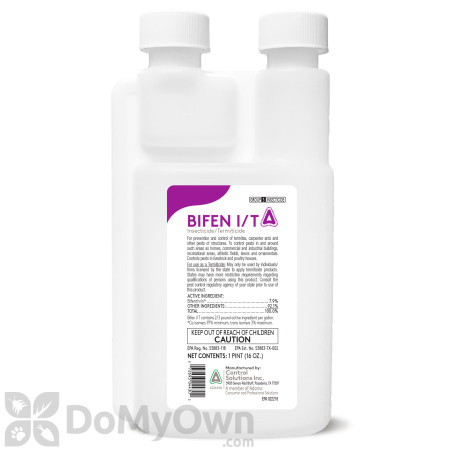
Control Solutions
Bifen IT Insecticide
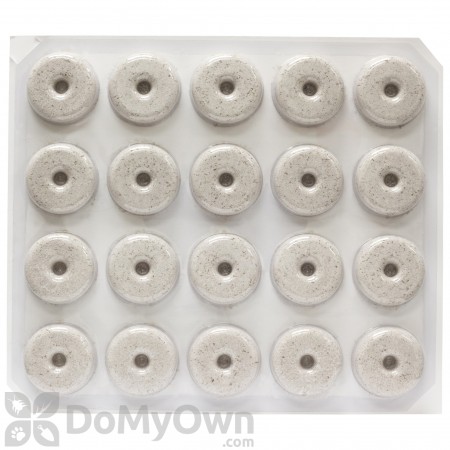
Summit
Summit Mosquito Dunks (6-Pack)
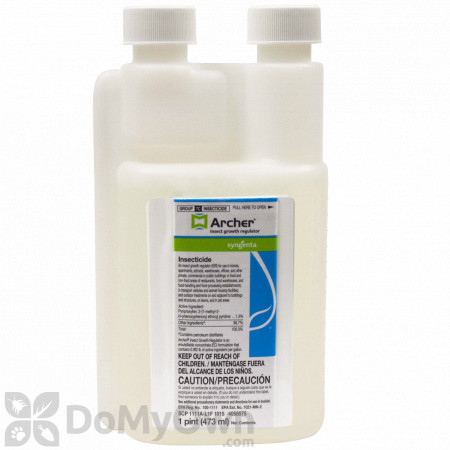
Dow AgroSciences
Archer Insect Growth Regulator