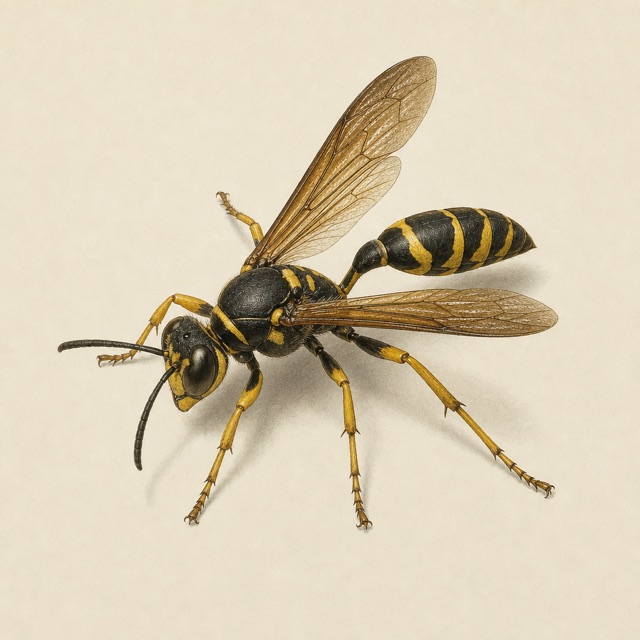
Mud daubers are those solitary wasps building cylindrical mud nests under your eaves and in your garage. Unlike yellow jackets, they're gentle giants that rarely sting and actually help control spider populations. However, their nests can be unsightly and attract other pests, so knowing how to manage them safely is essential.
Mud Daubers: Complete Guide are identifiable by their Black and yellow, metallic blue, or solid black depending on species coloring and 1/2 - 1 inch size. Scientific name: Sceliphron caementarium (Black and Yellow Mud Dauber). They have distinct physical features that help differentiate them from similar pests.
Signs of Infestation
- •Physical sightings of the pest in or around the affected area
- •Damage patterns characteristic of this pest's feeding or nesting behavior
- •Droppings, shed skins, or other biological evidence of infestation
Key Inspection Areas
- •Areas where Build mud nests on structures, under eaves, in garages, sheds, attics, and protected outdoor areas is commonly found
- •Entry points and harborage sites specific to this pest
- •Food and water sources that attract this pest
When to Inspect
Inspect during peak activity times for this pest. Check regularly during their active season (Spring through fall (peak activity in summer)).
Inspection Tools
Flashlight for inspecting dark areas, appropriate traps for monitoring
Identify Active vs. Abandoned Nests
Check if nests have open holes—these indicate the wasps have already emerged and the nest is abandoned. Active nests are sealed with fresh, wet-looking mud. Watch for wasps entering or leaving during daylight hours. Most nests you find are actually empty and can be removed immediately without any pesticide.
Remove Abandoned Nests Mechanically
For empty nests, simply scrape them off with a putty knife, paint scraper, or stiff brush. Wear gloves and eye protection as debris can fall. Collect the nest material and dispose of it in a sealed bag. Clean the area with soapy water to remove residual mud and pheromones that might attract future nest-building.
Treat Active Nests in Evening Hours
If you must remove an active nest, do it at dusk when the wasp is less active or inside the nest. Use a wasp and hornet spray like Spectracide Wasp & Hornet Killer or TERRO Wasp & Hornet Killer, which spray up to 20 feet. Spray directly into the nest opening, wait 24 hours, then remove the nest mechanically.
Apply Residual Insecticide to Prevent Rebuilding
After nest removal, treat the area with a residual pyrethroid spray like Talstar P, Suspend SC, or Cyper WSP mixed per label instructions. Focus on eaves, overhangs, door frames, and other protected surfaces where mud daubers build. This creates a barrier that lasts 30-90 days and discourages new nest construction.
Seal Entry Points and Reduce Attractants
Caulk cracks and gaps where mud daubers might nest, especially in soffits, siding, and around vents. Remove existing spider webs regularly since spiders are their primary food source—less food means less reason to nest nearby. Keep outdoor lights off when possible, as they attract the flying insects that spiders (and thus mud daubers) feed on.
Install Physical Deterrents
Hang aluminum foil strips, CDs, or reflective tape in areas where nests commonly appear—the movement and reflection can deter nest building. For persistent problems, install fine mesh screens over vents and commonly targeted areas. Consider applying a thin layer of petroleum jelly or cooking spray to smooth surfaces, making mud adhesion difficult.
Monitor and Maintain Throughout Season
Check potential nesting sites weekly during spring and summer months. Early detection makes removal easier—a partial nest is simpler to address than a completed one. Keep a wasp spray on hand for quick treatment. Remember that mud daubers are beneficial predators, so consider tolerating nests in low-traffic areas away from doors and windows.
- 1Eliminate food sources and properly store food items
- 2Reduce moisture and fix any water leaks
- 3Seal entry points and potential access routes
- 4Maintain cleanliness and reduce clutter that provides harborage
- 5Monitor regularly and address problems early before populations grow
Are mud daubers aggressive or dangerous?
Mud daubers are among the least aggressive wasps and rarely sting humans. They're solitary insects without a colony to defend, so they lack the aggressive behavior of social wasps like yellow jackets. Stings are extremely rare and typically only occur if the wasp is directly handled or crushed. Their venom is mild compared to other wasps.
Should I remove mud dauber nests or leave them alone?
This depends on location. Nests in low-traffic areas like shed corners or fence posts can be left alone since mud daubers are beneficial pest controllers that eat spiders. However, nests near doorways, windows, or high-traffic areas should be removed for aesthetic reasons and to prevent accidental contact. Abandoned nests should always be removed to prevent reuse by other insects.
How long does it take a mud dauber to build a nest?
A single mud dauber can construct a complete nest tube in 1-2 days of active work, though it may take up to a week depending on mud availability and weather. Each nest contains multiple cells, with the wasp making dozens of trips to collect mud. After provisioning each cell with paralyzed spiders and laying an egg, she seals it and moves on.
What's inside a mud dauber nest?
Each sealed cell contains one mud dauber egg and multiple paralyzed spiders (sometimes 10-20 small spiders per cell) that serve as fresh food for the developing larva. The larva hatches, feeds on the spiders over several weeks, then pupates before emerging as an adult. If you find open holes, the wasps have already left and only empty spider carcasses remain.
Do mud daubers reuse old nests?
Mud daubers typically don't reuse their own nests, but other insects might. Abandoned mud dauber nests can be taken over by other wasp species, small bees, or even spiders. Some species of pipe organ mud daubers will build new cells adjacent to old ones, creating large cluster formations. Removing old nests prevents this secondary occupation and keeps areas cleaner.
Quick Facts
- Size
- 1/2 - 1 inch
- Color
- Black and yellow, metallic blue, or solid black depending on species
- Habitat
- Build mud nests on structures, under eaves, in garages, sheds, attics, and protected outdoor areas
- Active Season
- Spring through fall (peak activity in summer)
Danger Level: Low
This pest is primarily a nuisance but can be eliminated with DIY methods.
Top Products
Recommended for How to Get Rid of Mud Daubers: Complete Guide
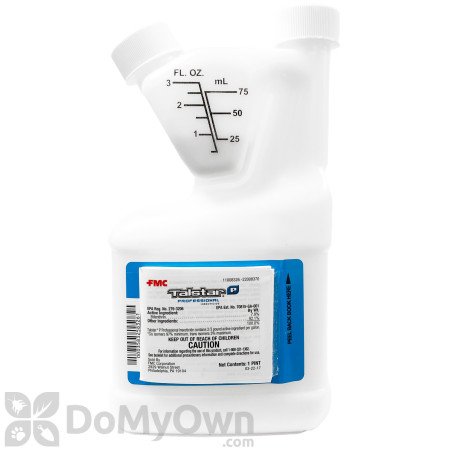
FMC
Talstar P Professional Insecticide
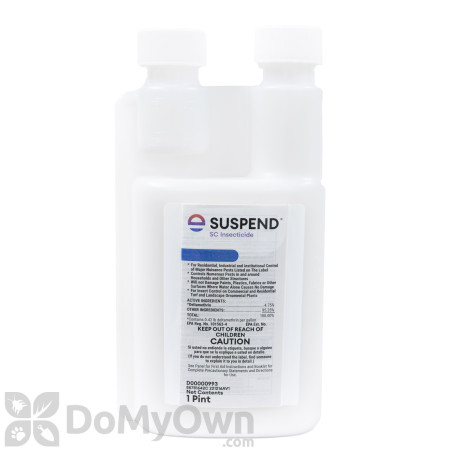
Bayer
Suspend SC Insecticide
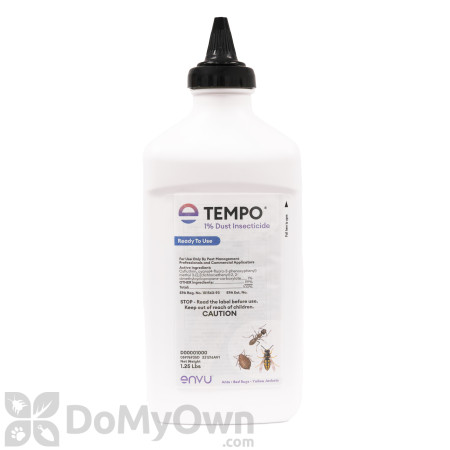
Bayer
Tempo 1% Dust Insecticide