Stepped on an ant and smelled something like rotten coconut or blue cheese? You've got odorous house ants. These tiny invaders earned their name from the distinctive stench they release when crushed, and they're notorious for creating massive colonies with multiple queens that can number in the hundreds of thousands.
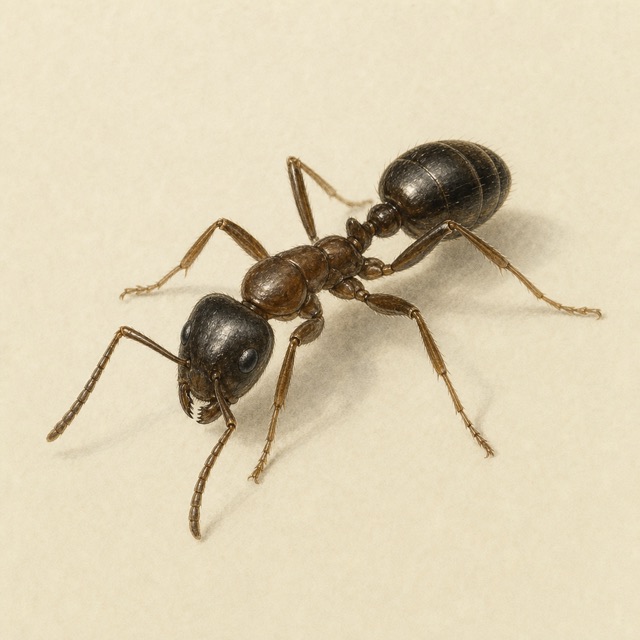
Odorous House Ants: Complete Guide are identifiable by their Brown to black coloring and 1/16 - 1/8 inch size. Scientific name: Tapinoma sessile. They have distinct physical features that help differentiate them from similar pests.
Signs of Infestation
- •Physical sightings of the pest in or around the affected area
- •Damage patterns characteristic of this pest's feeding or nesting behavior
- •Droppings, shed skins, or other biological evidence of infestation
Key Inspection Areas
- •Areas where Wall voids, under floors, beneath mulch, inside insulation, near moisture sources is commonly found
- •Entry points and harborage sites specific to this pest
- •Food and water sources that attract this pest
When to Inspect
Inspect during peak activity times for this pest. Check regularly during their active season (Year-round indoors, most active spring through fall).
Inspection Tools
Flashlight for inspecting dark areas, appropriate traps for monitoring
Identify the Ant and Locate Trailing Patterns
Confirm you're dealing with odorous house ants by crushing one and checking for that distinctive rotten coconut smell. Follow their trails—these ants travel in defined paths, often along baseboards, countertops, or plumbing. Mark where trails enter your home and where they're most active, as you'll need this intel for targeted treatment.
Deep Clean and Eliminate Food Sources
Odorous house ants are obsessed with sweets and proteins, so remove their buffet. Wipe down all surfaces with a vinegar-water solution (1:1 ratio) to disrupt pheromone trails. Store all food in airtight containers, fix any leaky pipes, and don't leave pet food out overnight. Even tiny crumbs are a feast for these ants.
Deploy Liquid Bait Stations Strategically
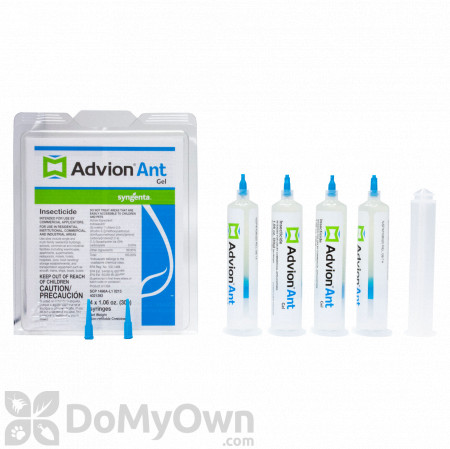
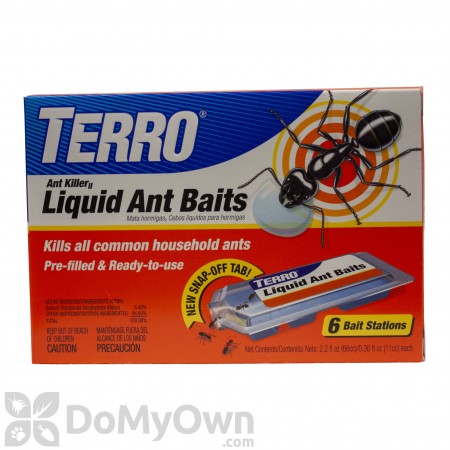
Use TERRO Liquid Ant Baits or Advion Ant Gel near active trails and entry points—but don't place them directly on the trail or they'll avoid it. Position baits 6-12 inches away from trails so scouts find them naturally. You'll see MORE ants initially (this is good—they're taking poison back to the colony), so resist the urge to spray them. Replace baits every 2-3 days until activity stops.
Apply Perimeter Treatment Outside
Create a chemical barrier around your home's foundation using Talstar P or Suspend SC. Spray a 3-foot band up the wall and 3 feet out onto the ground, paying special attention to cracks, utility penetrations, and areas where vegetation touches the house. Treat window frames, door thresholds, and weep holes. Reapply every 90 days or after heavy rain.
Seal Entry Points Permanently
While baits work, caulk every crack and crevice you can find. Use silicone caulk around windows and doors, seal gaps where utilities enter, and repair damaged weatherstripping. Check under siding, around AC lines, and anywhere cables or pipes penetrate walls. Odorous house ants can squeeze through openings as small as 1/32 inch, so be thorough.
Target Outdoor Nesting Sites
Inspect your yard for nesting sites—these ants love living under mulch, stones, logs, and landscape timbers. Pull mulch back at least 6 inches from your foundation and treat any discovered nests with a non-repellent spray like Taurus SC. Remove debris piles, stack firewood away from the house, and trim vegetation that touches your siding.
Address Moisture Issues Indoors
These ants are drawn to moisture, so fix leaky pipes, repair dripping faucets, and ensure good ventilation in bathrooms and crawl spaces. Use a dehumidifier in damp basements. Check under sinks, around toilets, and in wall voids where plumbing runs—these are prime nesting spots when moisture is present.
Monitor and Maintain Long-Term
Complete colony elimination can take 2-6 weeks because odorous house ants have multiple queens and satellite colonies. Continue monitoring with fresh baits and maintain your perimeter treatment. If you're still seeing activity after 6 weeks, the colony may be inside your walls—at that point, consider calling a professional who can inject dust or foam into wall voids.
- 1Eliminate food sources and properly store food items
- 2Reduce moisture and fix any water leaks
- 3Seal entry points and potential access routes
- 4Maintain cleanliness and reduce clutter that provides harborage
- 5Monitor regularly and address problems early before populations grow
Why do I see more ants after putting out bait?
This is actually a good sign. Odorous house ants recruit heavily when they find food, so more workers come to feed on the bait and carry it back to the colony to share with queens and larvae. This increased activity typically lasts 3-7 days before you'll notice a sharp decline. Whatever you do, don't spray them—let them do their job of poisoning the colony.
Can I just spray the ants I see with Raid or another contact killer?
Don't do this—it's the worst approach for odorous house ants. Contact sprays only kill the workers you see (about 10% of the colony) and can cause the colony to "bud" or split into multiple colonies as a stress response. You'll also disrupt pheromone trails that would otherwise lead ants to your bait stations. Stick with baits for colony elimination.
How many queens can an odorous house ant colony have?
Unlike most ant species with one queen, odorous house ant colonies are polygynous, meaning they can have dozens or even hundreds of queens. A mature colony can contain 100,000+ workers and relocate or split when disturbed. This is why baiting (which spreads through the entire colony) is essential rather than just killing visible workers.
What's that weird smell when I squish these ants?
The distinctive odor—often described as rotten coconut, blue cheese, or cleaning solution—comes from chemicals released when their bodies are crushed. This is actually a defense mechanism. The scent comes from compounds in their anal glands and helps you identify them, but also warns other colony members of danger, so avoid crushing them when possible.
How long does it take to completely get rid of odorous house ants?
With proper baiting and perimeter treatment, you should see significant reduction in 2-3 weeks and complete elimination in 4-6 weeks. However, if the main colony is inside your walls or if there are multiple satellite colonies, it can take longer. Some infestations require professional treatment with wall void injections. Persistence and consistent baiting are key to success.
Quick Facts
- Size
- 1/16 - 1/8 inch
- Color
- Brown to black
- Habitat
- Wall voids, under floors, beneath mulch, inside insulation, near moisture sources
- Active Season
- Year-round indoors, most active spring through fall
Danger Level: Medium
This pest can cause health issues or property damage if left untreated.