Oriental cockroaches — often called 'water bugs' — are dark, sluggish roaches that thrive in the dampest, most neglected areas of your home. They carry more bacteria than most cockroach species due to their habit of living in sewers, drains, and decaying organic matter. Here's the proven method to eliminate them and seal them out.
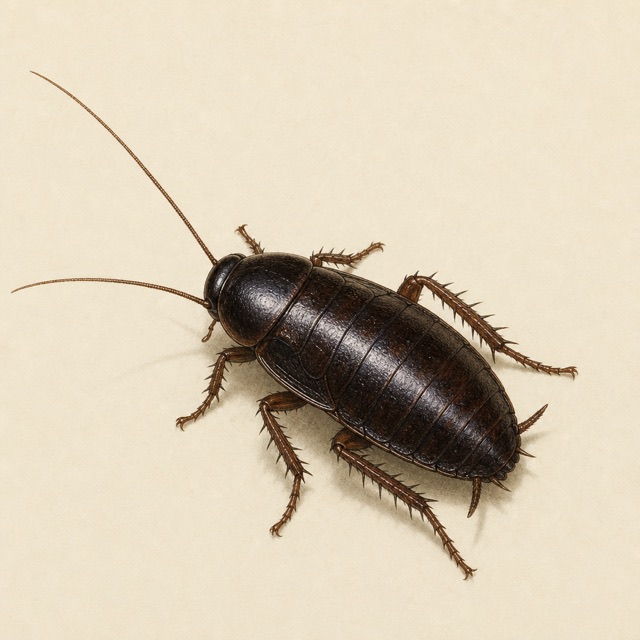
Oriental cockroaches are dark brown to shiny black, about 1 to 1.25 inches long, with a broad, flattened body. Males have shortened wings covering about 3/4 of the abdomen but cannot fly. Females have only small wing pads. They move more slowly than other cockroach species and have a strong, unpleasant musty odor.
Similar Pests
American cockroaches are larger and reddish-brown with a yellow head marking. Ground beetles are similar in color but have harder wing covers and longer legs. Smokybrown cockroaches are a similar dark color but are strong fliers.
Signs of Infestation
- •Strong musty or rotten odor in basements, crawl spaces, or near drains
- •Dark droppings similar to other cockroach species near damp harborage areas
- •Dark reddish-brown egg cases (about 3/8 inch) dropped in debris near moisture sources
- •Slow-moving dark roaches near floor drains, sump pumps, or basement windows
Key Inspection Areas
- •Floor drains, sump pits, and around water meters in basements
- •Crawl spaces, especially near foundation walls and damp soil
- •Under porches, in window wells, and around exterior foundation drainage
- •Around leaking pipes, water heaters, and laundry areas
When to Inspect
Inspect during spring and early summer when populations peak and roaches are most active. Check damp areas after dark. Look for them outdoors under mulch, leaf litter, and stones near the foundation during warm months.
Inspection Tools
Flashlight, sticky monitor traps placed near drains and damp areas, moisture meter to identify wet zones, rubber gloves for inspecting drains
Identify the species and moisture sources
Confirm the shiny dark body and slow movement. Oriental cockroaches are always associated with excess moisture — finding the water source is as important as applying treatment.
Eliminate moisture problems
Fix every leak, improve drainage around the foundation, and run dehumidifiers in basements and crawl spaces. Without addressing moisture, no chemical treatment will provide lasting control.
Apply granular bait outdoors
Spread cockroach granular bait (Niban or InTice) around the foundation perimeter, in window wells, under porches, and near exterior drains. Oriental cockroaches feed heavily outdoors.
Apply gel bait indoors near moisture
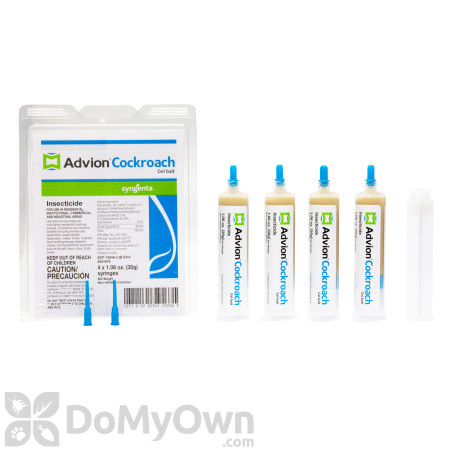
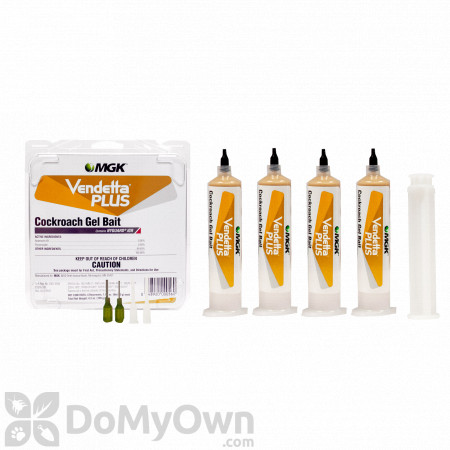
Place gel bait (Advion) near floor drains, sump pits, under sinks, around water heaters, and along basement walls. Apply small dots every 12-18 inches in cracks near damp harborage areas.
Treat the exterior perimeter
Apply a residual insecticide spray (bifenthrin or lambda-cyhalothrin) around the foundation, 3 feet up and 3 feet out, along entry doors, and around basement window frames.
Seal entry points and drains
Caulk foundation cracks, seal gaps around utility pipes, cover floor drains with fine mesh screens, and install tight-fitting sump pit covers. Door sweeps on exterior doors are essential.
Monitor and retreat seasonally
Place sticky monitors near drains and in the basement. Oriental cockroach eggs take 42-81 days to hatch, so continue monitoring for at least 3 months. Repeat perimeter treatment each spring.
- 1Fix all plumbing leaks and eliminate standing water in basements and crawl spaces
- 2Install dehumidifiers to keep basement humidity below 50%
- 3Seal cracks and gaps in the foundation, especially around pipes, drains, and window wells
- 4Remove leaf litter, mulch, and debris from within 12 inches of the foundation
- 5Ensure downspouts and drainage direct water away from the building
- 6Screen or cover floor drains and install tight-fitting sump pit covers
Seasonal Note
Oriental cockroaches emerge in spring and populations peak in early summer. Apply perimeter treatments in April-May before peak activity. Reduce outdoor harborage in fall to limit overwintering populations.
Why are oriental cockroaches called water bugs?
They're strongly attracted to water and almost always found near moisture sources — drains, leaky pipes, sump pits, and damp basements. They can survive for a month without food but only two weeks without water.
Can oriental cockroaches fly?
No. Males have short wings but cannot fly. Females have only tiny wing pads. Oriental cockroaches are relatively slow-moving compared to other species, which makes them easier to spot but doesn't reduce their ability to infest.
Are oriental cockroaches more dangerous than other roaches?
They're considered among the filthiest cockroach species because they spend significant time in sewers, drains, and decaying matter. They carry more pathogenic bacteria on their bodies than most other common cockroach species.
Why do I see oriental cockroaches outside my house?
Oriental cockroaches are commonly outdoor pests that live in mulch, leaf litter, and damp soil near foundations. They move indoors seeking moisture and shelter, especially during dry spells or temperature extremes.
Do oriental cockroaches infest like German cockroaches?
Oriental cockroaches reproduce more slowly than German cockroaches and don't reach the same extreme population densities. However, they still form significant colonies in damp areas and require persistent treatment to eliminate.
Quick Facts
- Size
- 1 - 1.25 inches
- Color
- Dark brown to glossy black
- Habitat
- Basements, crawl spaces, drains, sewers, and damp outdoor areas
- Active Season
- Spring through fall, peak in late spring and early summer
Danger Level: High
This pest poses significant health or property risks. Act quickly and consider professional help.
Top Products
Recommended for How to Get Rid of Oriental Cockroaches: Complete 2025 Guide
View All Products →