Pantry pests — including Indian meal moths, flour beetles, weevils, and grain beetles — infest stored food products like flour, cereal, pasta, and pet food. You'll find larvae, webbing, or adult insects in packages. Complete elimination requires finding and discarding ALL infested products. Here's how to do it.
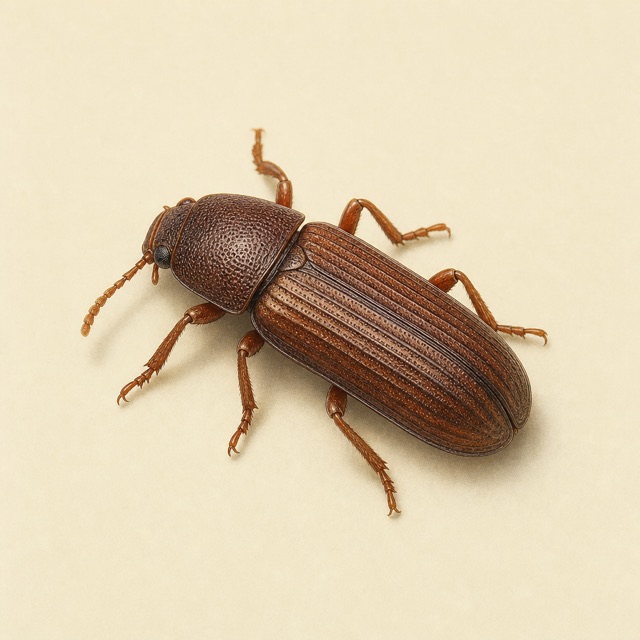
Pantry pests include several species: Indian meal moths (1/2 inch, tan/copper wings), flour beetles (1/8 inch, reddish-brown), rice weevils (1/8 inch with long snout), and cigarette beetles (1/8 inch, round). You'll see adult insects, larvae (small worms/grubs), webbing (moths), or shed skins in food packages.
Similar Pests
Clothes moths are similar to meal moths but infest fabrics, not food. Carpet beetles are round and fuzzy, not found in food. Pantry pests are always found IN or near stored food products.
Signs of Infestation
- •Small moths flying in kitchen, especially near ceiling lights at dusk
- •Webbing or clumps in flour, cereal, pasta, or grain products
- •Tiny beetles or grubs crawling in cupboards or on walls near food storage
- •Small holes in food packaging with frass (insect waste) or shed skins
- •Adult insects dead in window sills near pantry areas
Key Inspection Areas
- •All dry goods: flour, cereal, pasta, rice, oats, cornmeal, baking mixes
- •Pet food bags, birdseed, and bulk grain storage
- •Spices, dried herbs, nuts, dried fruit, and chocolate
- •Behind and under cupboards, in cracks and crevices where spilled food accumulates
When to Inspect
Inspect immediately when you first see moths or beetles. Re-inspect every cabinet and storage area — infestations are often in multiple products.
Inspection Tools
Flashlight for inspecting dark cupboards, magnifying glass to identify larvae, vacuum for cleaning cupboards
Inspect every food package
Remove ALL dry goods from cupboards. Open each package and look for webbing, clumps, live insects, or larvae. Check flour, cereal, pasta, rice, pet food, birdseed, nuts, dried fruit, spices, and chocolate. Infestations often spread to unopened packages.
Discard all infested products
Throw away every infested item in sealed plastic bags. Take them to outdoor garbage immediately. Don't try to salvage infested food — larvae may be inside even if you don't see them.
Remove and discard questionable items
If you're unsure whether a product is infested, discard it. Pantry pests can infest unopened packages by chewing through cardboard or thin plastic. Better safe than sorry.
Vacuum and clean all cupboards
Vacuum shelves, cracks, and corners thoroughly to remove eggs, larvae, and spilled food. Use a crevice tool for tight spaces. Wipe shelves with hot soapy water or a vinegar solution. Vacuum the floor under cabinets.
Check adjacent rooms
Inspect laundry rooms, basements, garages, and pet food storage areas. Pantry pests can travel 10+ feet from the original infestation. Check decorative items like dried flower arrangements — some pests feed on these.
Use pheromone traps for moths
Place Indian meal moth pheromone traps (Terro Pantry Moth Traps) in cupboards to catch adult males. This helps monitor ongoing activity and reduces breeding. Replace traps every 3 months.
Store new food in airtight containers
Transfer flour, cereal, pasta, rice, and other dry goods into thick plastic or glass containers with tight-fitting lids. This prevents new infestations and contains existing ones if you miss any larvae.
Monitor for 6-8 weeks
Check traps and cupboards weekly. Pantry pest lifecycles take 4-6 weeks. If you see new activity, repeat inspection and discard any newly infested items. Complete elimination requires diligence.
- 1Store all dry goods in airtight plastic or glass containers with tight-fitting lids
- 2Buy small quantities of flour, cereal, and grains — use within 3-4 months
- 3Check new purchases before storing — look for holes, webbing, or insects
- 4Clean cupboards quarterly, vacuuming cracks and wiping down shelves
- 5Freeze bulk grain products (flour, rice, pasta) for 48 hours after purchase to kill any eggs
- 6Don't store opened pet food bags for months — transfer to sealed containers
Seasonal Note
Pantry pests reproduce faster in warm weather (summer), but infestations can occur year-round in heated homes. Prevention is year-round vigilance and good storage practices.
Where do pantry pests come from?
They come home with you in infested products from the grocery store, bulk food bins, or pet stores. Eggs or larvae are already in the package when you buy it. They then spread to other products in your pantry.
Can I freeze infested flour to kill the bugs?
Freezing kills active insects and larvae, but the food is still contaminated with dead bugs, frass, and shed skins. It's safer and more sanitary to discard infested products entirely.
Do pantry pests spread disease?
They don't transmit diseases but contaminate food with insect parts, frass, and shed skins. Consuming infested food can cause allergic reactions in sensitive individuals. It's a sanitation issue, not a health crisis.
How long does it take to get rid of them?
If you discard all infested products and clean thoroughly, you can eliminate active adults in 1-2 weeks. Full elimination takes 6-8 weeks to ensure all eggs and larvae are gone.
Can I use insecticide spray in my pantry?
No. Do NOT spray insecticides near food. Removal of infested products, cleaning, and airtight storage are the only safe solutions. Pheromone traps are safe for food areas.
Why do I keep getting them?
You're either bringing in new infested products or missing a hidden infestation (old pet food bag in the garage, birdseed in the basement, etc.). Re-inspect ALL food storage areas.
Quick Facts
- Size
- 1/16 to 1/2 inch (varies by species)
- Color
- Brown, tan, gray, or mottled (varies by species)
- Habitat
- Pantries, cupboards, pet food storage
- Active Season
- Year-round (worse in warm weather)
Danger Level: Low
This pest is primarily a nuisance but can be eliminated with DIY methods.