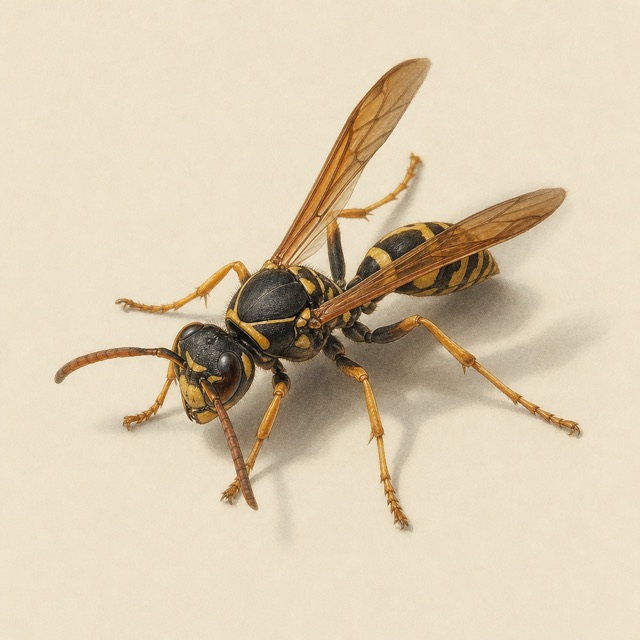
Paper wasps are those umbrella-shaped nest builders hanging from your porch eaves, and while they're generally less aggressive than yellow jackets, they will defend their home vigorously. The good news? If you catch them early in spring or handle established nests correctly, you can reclaim your outdoor spaces without multiple stings. Timing and approach make all the difference.
Paper Wasps: Complete Guide are identifiable by their Brown with yellow markings, reddish-brown, or dark brown with yellow rings coloring and 5/8 - 3/4 inch size. Scientific name: Polistes spp.. They have distinct physical features that help differentiate them from similar pests.
Signs of Infestation
- •Physical sightings of the pest in or around the affected area
- •Damage patterns characteristic of this pest's feeding or nesting behavior
- •Droppings, shed skins, or other biological evidence of infestation
Key Inspection Areas
- •Areas where Under eaves, porch ceilings, door frames, deck railings, fence posts, tree branches, and other protected overhangs is commonly found
- •Entry points and harborage sites specific to this pest
- •Food and water sources that attract this pest
When to Inspect
Inspect during peak activity times for this pest. Check regularly during their active season (Spring through fall (peak activity mid-summer)).
Inspection Tools
Flashlight for inspecting dark areas, appropriate traps for monitoring
Identify and Assess the Nest Location
Look for the characteristic umbrella or upside-down cone-shaped nest made from gray papery material. Paper wasp nests are open-celled (you can see the honeycomb structure) and typically have fewer than 200 wasps. Watch from a safe distance during daylight to gauge activity level, but plan to treat at dawn or dusk when wasps are sluggish and most are present at the nest.
Gear Up with Protective Clothing
Wear long sleeves, pants, gloves, and a hat even if using a distance spray—wasps can be surprisingly fast. If you're allergic to stings or the nest is large (bigger than a tennis ball), seriously consider hiring a professional. Have an escape route planned and never position yourself directly beneath the nest during treatment.
Use a Knockdown Spray for Active Nests
Apply a wasp-specific aerosol like Spectracide Wasp & Hornet Killer or CRC Wasp & Hornet Killer Plus from 15-20 feet away at dusk. Spray directly into the nest opening for 10-15 seconds, coating it thoroughly. These jet sprays contain tetramethrin or prallethrin for instant knockdown and should kill wasps on contact while preventing others from returning.
Remove the Nest After 24 Hours
Wait a full day to ensure all wasps are dead, then approach during daylight with protective gear still on. Knock the nest down with a long pole or broom, catch it in a garbage bag, seal it, and dispose of it immediately. Scrape away any remaining nest material since the scent can attract new queens looking for nesting sites.
Apply Residual Insecticide to Prevention Sites
Treat previous nesting locations and other attractive sites with a residual spray like Suspend SC, Tempo SC Ultra, or Cy-Kick CS. These products remain effective for weeks and will kill scout wasps looking to build. Focus on eaves, overhangs, railings, and protected corners where nests typically appear.
Seal Entry Points and Remove Attractants
Paper wasps are attracted to protein sources (especially in spring) and sweet liquids (in late summer). Keep trash cans sealed, clean up food residue from outdoor dining areas, and remove fallen fruit from trees. They're also drawn to wood fibers, so keep lumber and cardboard stored away from your home's exterior.
Deploy Decoy Nests in Early Spring
Paper wasps are territorial and avoid areas where other colonies exist. Hang fake wasp nests (available at hardware stores or make your own from crumpled paper bags) in early April before queens start building. This won't work on established nests but can prevent new construction in problem areas.
Monitor and Maintain Through the Season
Check your property weekly from April through June when queens are actively building. Early nests are small (quarter-sized) with only a few wasps and can be knocked down with minimal risk. Reapply residual sprays every 30-45 days in high-activity areas and immediately remove any new nest construction you discover.
- 1Eliminate food sources and properly store food items
- 2Reduce moisture and fix any water leaks
- 3Seal entry points and potential access routes
- 4Maintain cleanliness and reduce clutter that provides harborage
- 5Monitor regularly and address problems early before populations grow
Are paper wasps aggressive compared to other wasps?
Paper wasps are generally less aggressive than yellow jackets or hornets and will usually only sting when their nest is directly threatened. However, they will defend their colony vigorously if you get within a few feet or accidentally bump the nest. Unlike honeybees, they can sting multiple times and will release alarm pheromones that recruit other colony members to attack.
What's the best time of day to remove a paper wasp nest?
Early morning at first light or dusk are ideal times because temperatures are cooler and wasps are sluggish and less defensive. Most importantly, nearly all colony members will be present at the nest rather than out foraging, so you'll eliminate the entire population at once. Never attempt removal during midday when wasps are most active and aggressive.
Can I just knock down the nest without using spray?
Only if the nest is very small (smaller than a quarter) with just 1-2 wasps and you do it at dawn or dusk. For anything larger, you're asking for trouble—wasps will swarm and attack aggressively when their nest is destroyed. The spray approach is much safer as it kills wasps before they can mount a defense, and the small cost of spray is worth avoiding multiple painful stings.
Will paper wasps return to the same spot next year?
The original colony dies off in winter, but overwintering queens remember productive nesting sites and may return to the same area in spring. This is why it's crucial to scrape away all nest remnants and apply residual insecticide to previous nesting locations. The chemical trace and physical remnants can attract new queens even if the original builders are gone.
Are paper wasps beneficial, or should I always remove them?
Paper wasps are actually excellent pest controllers, feeding caterpillars, beetle larvae, and other garden pests to their young. If a nest is in a low-traffic area like a distant tree or shed and doesn't pose a safety risk, consider leaving it alone. However, nests near doors, play areas, or frequently used spaces should be removed since accidental encounters will result in defensive stings.
Quick Facts
- Size
- 5/8 - 3/4 inch
- Color
- Brown with yellow markings, reddish-brown, or dark brown with yellow rings
- Habitat
- Under eaves, porch ceilings, door frames, deck railings, fence posts, tree branches, and other protected overhangs
- Active Season
- Spring through fall (peak activity mid-summer)
Danger Level: Medium
This pest can cause health issues or property damage if left untreated.
Top Products
Recommended for How to Get Rid of Paper Wasps: Complete Guide
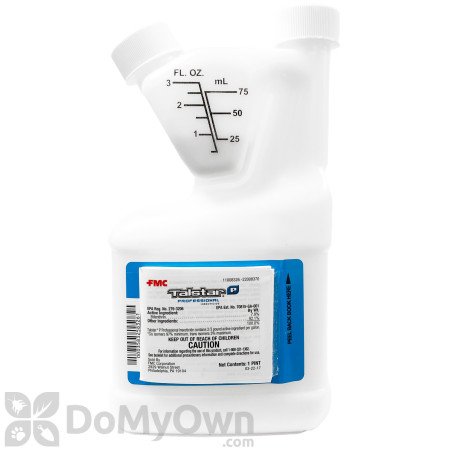
FMC
Talstar P Professional Insecticide
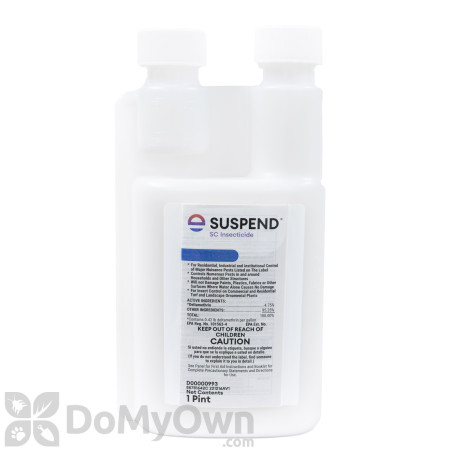
Bayer
Suspend SC Insecticide
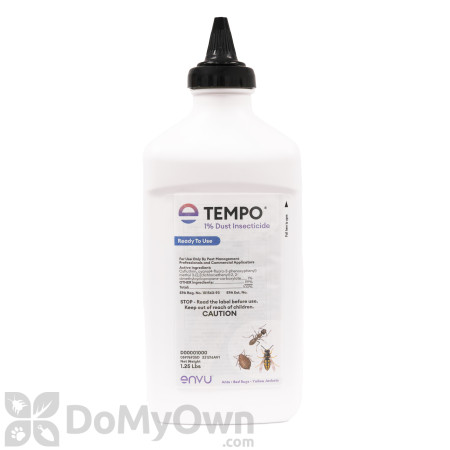
Bayer
Tempo 1% Dust Insecticide