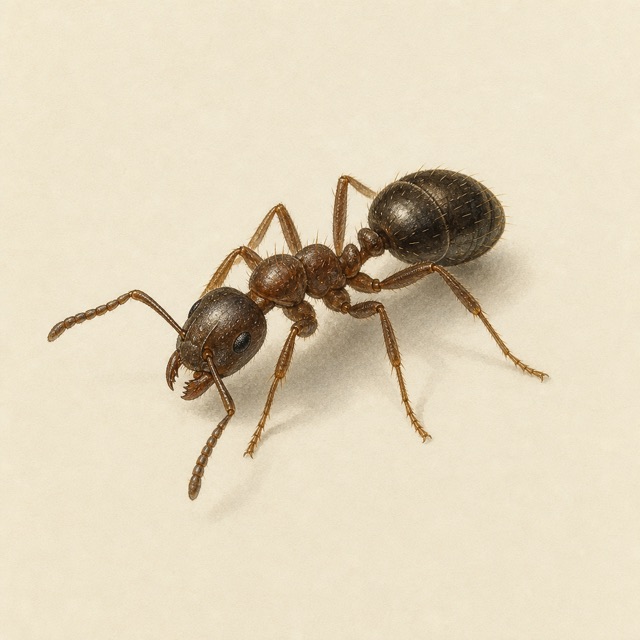
Those tiny brown ants marching through cracks in your driveway and invading your kitchen aren't just a nuisance—they're pavement ants, one of the most persistent home invaders in North America. While they rarely bite and don't cause structural damage, their massive colonies and relentless foraging can quickly turn your property into an ant highway if left unchecked.
Pavement Ants: Complete Guide are identifiable by their Dark brown to black with lighter legs and antennae coloring and 1/8 - 1/16 inch size. Scientific name: Tetramorium caespitum. They have distinct physical features that help differentiate them from similar pests.
Signs of Infestation
- •Physical sightings of the pest in or around the affected area
- •Damage patterns characteristic of this pest's feeding or nesting behavior
- •Droppings, shed skins, or other biological evidence of infestation
Key Inspection Areas
- •Areas where Nests under pavement, concrete slabs, sidewalks, driveways, foundations, and in wall voids near ground level is commonly found
- •Entry points and harborage sites specific to this pest
- •Food and water sources that attract this pest
When to Inspect
Inspect during peak activity times for this pest. Check regularly during their active season (Most active spring through fall, but can invade homes year-round in warmer climates).
Inspection Tools
Flashlight for inspecting dark areas, appropriate traps for monitoring
Identify Entry Points and Trailing Patterns
Follow ant trails to locate where they're entering your home—typically through expansion joints, foundation cracks, or gaps around utility lines. Pavement ants leave pheromone trails, so you'll often see organized lines of workers. Mark these entry points with painter's tape and note what time of day activity is heaviest, as this will help you target treatment when the colony is most active.
Deploy Liquid Bait Stations Strategically
Place TERRO Liquid Ant Baits or Advion Ant Gel directly along trails and near entry points. Pavement ants prefer sweet baits, especially in spring, but may switch to protein-based foods in summer. Don't kill the ants you see—they need to carry the bait back to the colony and feed the queen. Replace baits every 2-3 days until activity stops completely.
Treat the Exterior Nest Sites
Locate the main colony by following foragers back to their nest, usually marked by small piles of displaced sand or soil near pavement cracks. Apply granular bait like Advance 375A Ant Bait around the nest entrances and along the foundation perimeter. For direct nest treatment, use a non-repellent insecticide like Taurus SC or Dominion 2L, which ants will unknowingly transfer throughout the colony.
Create a Perimeter Barrier
Apply a residual barrier spray like Talstar P or Suspend Polyzone around your home's foundation, extending 3-6 feet up the walls and 6-10 feet out from the structure. Focus on entry points, weep holes, and areas where pavement meets the foundation. Reapply every 60-90 days or after heavy rain to maintain protection throughout the active season.
Seal Cracks and Entry Points
Once ant activity subsides, permanently seal their access routes using silicone caulk or concrete filler. Pay special attention to expansion joints in driveways, cracks in foundation walls, gaps around pipes and wires, and spaces under door thresholds. This physical barrier prevents re-infestation even if new colonies establish nearby.
Eliminate Food and Moisture Sources
Pavement ants are opportunistic scavengers attracted to crumbs, spills, and pet food. Wipe down counters daily, store food in sealed containers, and don't leave pet bowls out overnight. Fix leaky pipes and ensure proper drainage away from your foundation, as these ants need water sources. Empty kitchen trash daily and keep compost bins sealed and away from the house.
Monitor and Retreat as Needed
Pavement ant colonies can contain thousands of workers and multiple queens, making complete elimination challenging. Check bait stations weekly and watch for new trailing activity. If ants return after initial treatment, they may be from a different colony or the original colony survived. Repeat baiting and consider switching bait types, as colony food preferences change seasonally.
- 1Eliminate food sources and properly store food items
- 2Reduce moisture and fix any water leaks
- 3Seal entry points and potential access routes
- 4Maintain cleanliness and reduce clutter that provides harborage
- 5Monitor regularly and address problems early before populations grow
Why do pavement ants suddenly appear in large numbers?
Those massive swarms are likely mating flights, which occur in spring and early summer. Winged reproductive ants (alates) emerge from established colonies to mate and start new colonies. This is normal behavior and doesn't mean your infestation is worsening—it actually indicates mature colonies nearby. The swarmers themselves are harmless, and the event typically lasts just a few days.
Can pavement ants damage my home or cause health problems?
Pavement ants are primarily a nuisance pest and pose minimal threats. They can bite if directly handled, but bites are mild and rare. They don't cause structural damage like carpenter ants, and they're not known disease vectors. Their main impact is contaminating food and creating unsightly trails and dirt piles around your property.
How long does it take to get rid of a pavement ant colony?
With proper baiting, you should see significantly reduced activity within 1-2 weeks, but complete colony elimination can take 4-6 weeks. The queen and brood deep in the nest must consume enough toxicant, which takes time as workers share food. Patience is critical—don't switch methods too quickly or use repellent sprays that will disrupt baiting efforts.
Why aren't the ants eating the bait I put out?
Pavement ant food preferences change seasonally based on colony needs. In spring, they prefer sweets for energy; in summer, they seek proteins for raising brood. Try switching between sugar-based baits like TERRO and protein baits like Advion. Also ensure baits are fresh—old, dried-out gel or crystallized liquid won't attract ants effectively.
Should I hire a professional or can I handle pavement ants myself?
Pavement ant infestations are generally manageable for DIY treatment if you're persistent and thorough. However, consider professional help if you have multiple large colonies, can't locate nest sites, or if DIY efforts fail after 6-8 weeks. Professionals have access to stronger products and can treat inaccessible areas like wall voids or under concrete slabs more effectively.
Quick Facts
- Size
- 1/8 - 1/16 inch
- Color
- Dark brown to black with lighter legs and antennae
- Habitat
- Nests under pavement, concrete slabs, sidewalks, driveways, foundations, and in wall voids near ground level
- Active Season
- Most active spring through fall, but can invade homes year-round in warmer climates
Danger Level: Low
This pest is primarily a nuisance but can be eliminated with DIY methods.
Top Products
Recommended for How to Get Rid of Pavement Ants: Complete Guide
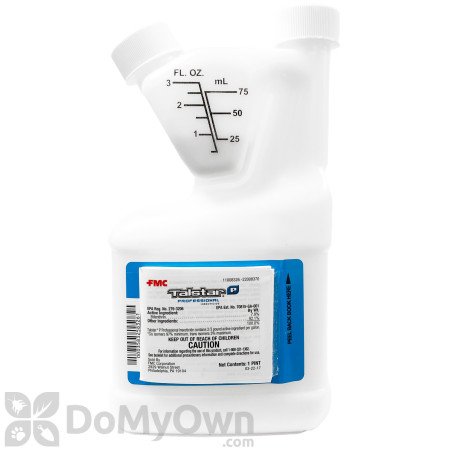
FMC
Talstar P Professional Insecticide
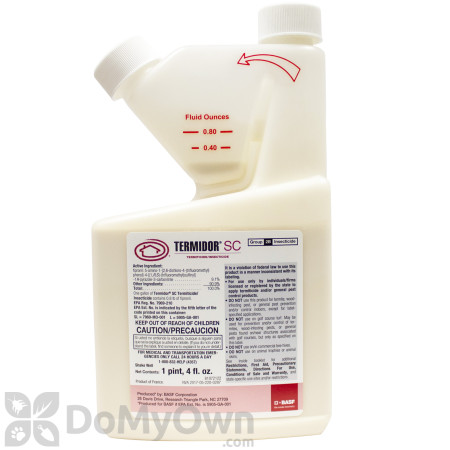
BASF
Termidor SC Termiticide
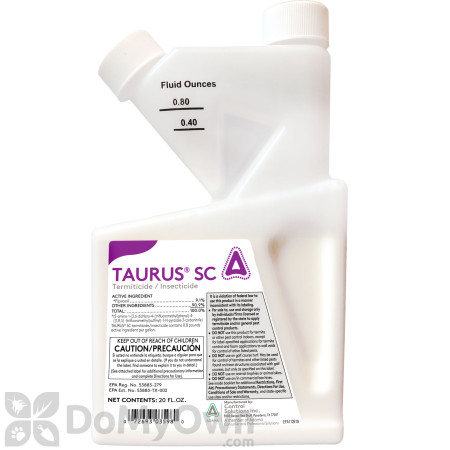
Control Solutions
Taurus SC Termiticide and Insecticide