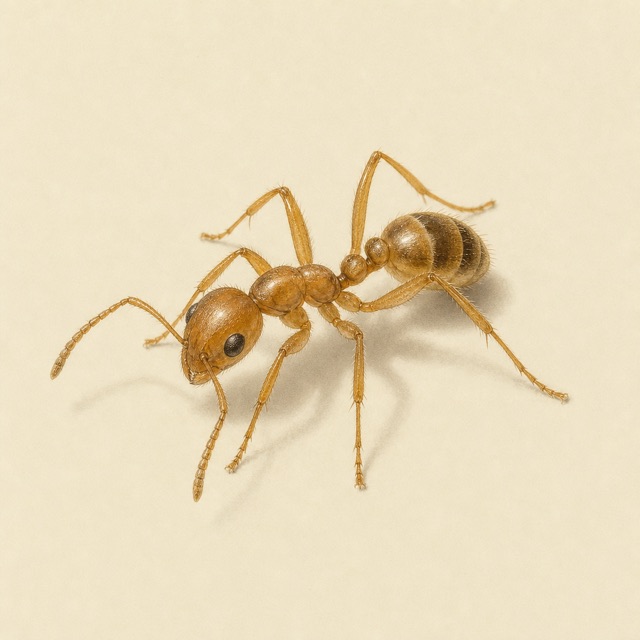
Pharaoh ants are tiny yellow invaders that create a nightmare scenario: they split into multiple colonies when threatened, turning one problem into dozens. These hospital-infesting pests require a completely different approach than typical ants—sprays and repellents will make your infestation exponentially worse. The key is slow-acting baits that workers carry back to poison every queen in your walls.
Pharaoh Ants: Complete Guide are identifiable by their Pale yellow to reddish-brown with darker abdomen coloring and 1/16 inch (1.5-2mm) size. Scientific name: Monomorium pharaonis. They have distinct physical features that help differentiate them from similar pests.
Signs of Infestation
- •Physical sightings of the pest in or around the affected area
- •Damage patterns characteristic of this pest's feeding or nesting behavior
- •Droppings, shed skins, or other biological evidence of infestation
Key Inspection Areas
- •Areas where Nests in warm, humid voids inside walls, cabinets, under floors, in electrical outlets, and inside appliances. Thrives in heated buildings year-round. is commonly found
- •Entry points and harborage sites specific to this pest
- •Food and water sources that attract this pest
When to Inspect
Inspect during peak activity times for this pest. Check regularly during their active season (Year-round indoors (active all seasons in climate-controlled buildings)).
Inspection Tools
Flashlight for inspecting dark areas, appropriate traps for monitoring
Stop Using Sprays and Repellents Immediately
This is critical: pharaoh ants respond to pesticide threats through "budding"—splitting into multiple colonies with multiple queens. If you've been spraying, you've likely already made the problem worse. Remove all repellent products, ant traps with pyrethroids, and surface sprays. Your only weapon is slow-acting bait that workers voluntarily carry back to hidden nests.
Deploy Slow-Acting Bait Stations Everywhere
Place Advion Ant Bait Gel or TERRO Liquid Ant Baits near every trail and suspected nesting area—kitchens, bathrooms, near appliances, electrical outlets, and along baseboards. Use small placements (pea-sized gel dots or multiple bait stations) every 10-15 feet. Pharaoh ants have shifting food preferences, so rotate between protein-based (Advion) and sugar-based (TERRO) baits every few weeks.
Monitor and Replenish Bait Stations Daily
Check baits twice daily for the first week—pharaoh ants will swarm fresh bait, and you need to keep it available constantly. Replace dried-out gel baits and empty liquid stations immediately. You should see increasing activity for 1-2 weeks as more workers find the bait, then a gradual decline over 4-6 weeks as colonies die off.
Eliminate Water Sources and Seal Entry Points
Pharaoh ants need moisture and are tiny enough to enter through microscopic cracks. Fix leaking pipes, wipe down sinks, and use dehumidifiers in damp areas. Seal gaps around pipes, electrical conduits, and baseboards with silicone caulk. Check under sinks, behind toilets, and around water heaters—common nesting sites near moisture.
Implement Strict Sanitation Protocols
Store all food in sealed containers, including pet food and pantry items. Clean up crumbs and spills immediately, take out trash daily, and don't leave dirty dishes overnight. Pharaoh ants feed on proteins, sweets, and grease—wipe down counters with vinegar solution after meal prep. Clean behind and under appliances monthly.
Target Wall Voids If Surface Baiting Fails
If you're still seeing activity after 6-8 weeks, colonies may be deep in wall voids. Drill small holes near baseboards where you see trails and inject Advion Ant Bait Gel or dust formulations like CimeXa into wall spaces. You can also use a bulb duster to apply boric acid powder into outlets (turn off breaker first) and behind switch plates where ants travel.
Consider Professional Treatment for Severe Infestations
Pharaoh ants are notoriously difficult and may require professional-grade products like non-repellent sprays (Phantom, Arilon) or growth regulators. If you've been baiting for 8+ weeks without improvement, or if you live in a multi-unit building where neighbors aren't treating, call a licensed pest control company experienced specifically with pharaoh ants. Building-wide treatment is often necessary.
Maintain Long-Term Prevention and Monitoring
Even after elimination, keep a few bait stations in kitchens and bathrooms permanently as early warning systems. Inspect monthly for new trails, especially near warm, humid areas. Pharaoh ants can re-infest from neighboring units or be brought in on infested items. Stay vigilant with sanitation and moisture control to prevent re-establishment.
- 1Eliminate food sources and properly store food items
- 2Reduce moisture and fix any water leaks
- 3Seal entry points and potential access routes
- 4Maintain cleanliness and reduce clutter that provides harborage
- 5Monitor regularly and address problems early before populations grow
Why are pharaoh ants so hard to get rid of?
Pharaoh ants have multiple queens per colony and reproduce through "budding"—when threatened, they split into many smaller colonies that scatter throughout your home. They nest in nearly inaccessible areas like wall voids, and their tiny size lets them exploit microscopic entry points. Most importantly, using the wrong treatment method (sprays, repellents) triggers defensive budding that multiplies your problem exponentially.
How long does it take to eliminate pharaoh ants?
Complete elimination typically takes 6-12 weeks of consistent baiting, sometimes longer for severe infestations. You'll see peak activity increase in the first 1-2 weeks as more workers find bait, then gradual decline. The slow timeline is necessary—fast-acting poisons alert the colony and trigger budding, while slow-acting baits let workers unknowingly poison all queens and brood before dying.
Can I use regular ant spray on pharaoh ants?
Absolutely not—this is the worst thing you can do. Sprays, repellents, and contact killers cause pharaoh ant colonies to bud and split, creating multiple new infestations from one original colony. You must use only non-repellent, slow-acting baits that workers carry back to nests. Even natural repellents like peppermint oil or vinegar barriers will worsen the problem.
Where do pharaoh ants nest in homes?
Pharaoh ants nest in warm, humid voids throughout structures: between walls, under floors, in insulation, behind baseboards, inside electrical outlets and appliances, under cabinets, and even between sheets of paper or in folded fabric. A single home can harbor dozens of interconnected sub-colonies. They prefer temperatures between 80-86°F and are attracted to moisture sources, making bathrooms and kitchens prime nesting locations.
Are pharaoh ants dangerous or just annoying?
Pharaoh ants pose genuine health risks beyond being nuisance pests. They're known to infest hospitals and care facilities, spreading pathogens including Salmonella, Staphylococcus, and Streptococcus as they forage through garbage, drains, and contaminated areas before walking across food prep surfaces. They can even invade IV bottles and contaminate sterile medical equipment. In homes, they contaminate food and can trigger allergic reactions in sensitive individuals.
Quick Facts
- Size
- 1/16 inch (1.5-2mm)
- Color
- Pale yellow to reddish-brown with darker abdomen
- Habitat
- Nests in warm, humid voids inside walls, cabinets, under floors, in electrical outlets, and inside appliances. Thrives in heated buildings year-round.
- Active Season
- Year-round indoors (active all seasons in climate-controlled buildings)
Danger Level: High
This pest poses significant health or property risks. Act quickly and consider professional help.
Top Products
Recommended for How to Get Rid of Pharaoh Ants: Complete Guide
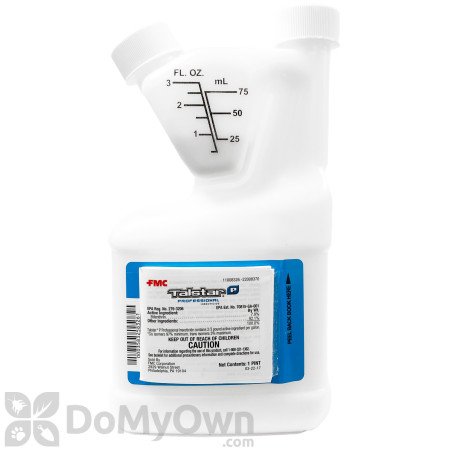
FMC
Talstar P Professional Insecticide
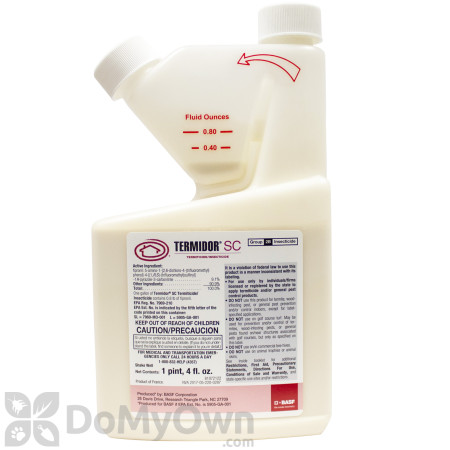
BASF
Termidor SC Termiticide
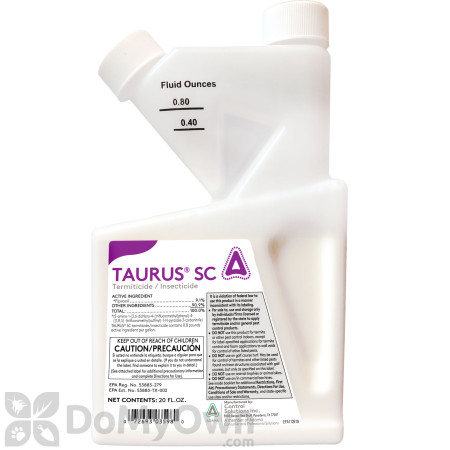
Control Solutions
Taurus SC Termiticide and Insecticide