Rats are one of the most destructive pests you'll ever face, capable of chewing through walls, wiring, and even concrete. These intelligent rodents multiply rapidly—a single pair can lead to 1,500 offspring in a year—and carry diseases like leptospirosis and hantavirus. The good news? With the right strategy combining exclusion, trapping, and sanitation, you can eliminate them for good.
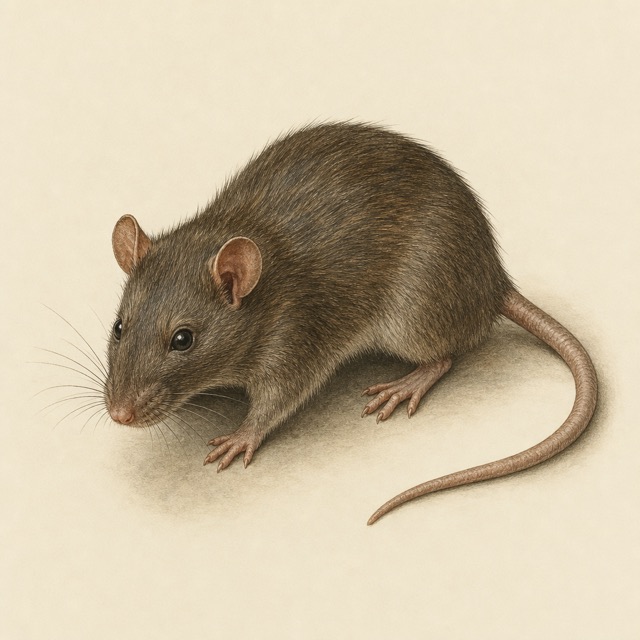
Norway rats (brown rats) are 7-9.5 inches body length, brown with gray underside, small ears, blunt snout, and scaly tail shorter than body. Roof rats are 6-8 inches, black or dark brown, with large ears, pointed snout, and tail longer than body.
Similar Pests
Mice are much smaller (under 4 inches body). Juvenile rats have proportionally larger feet than mice. Squirrels have bushy tails and are active during the day.
Signs of Infestation
- •Large droppings (3/4 inch) with blunt ends (Norway rat) or pointed ends (roof rat)
- •Gnaw marks (1/8 inch wide) on wood, pipes, wires, and structural materials
- •Greasy rub marks along walls, rafters, and pipes from fur oils
- •Burrows in ground (Norway rats) or nests in attics/trees (roof rats)
- •Strong musky odor in infested areas
- •Scratching, gnawing, or squeaking sounds at night
Key Inspection Areas
- •Attics, rafters, and upper floors (roof rats prefer high areas)
- •Basements, crawl spaces, and ground burrows (Norway rats prefer lower areas)
- •Behind walls, inside drop ceilings, and in insulation
- •Near garbage bins, compost piles, and outdoor food sources
- •Along sewer lines, drainage pipes, and utility entry points
When to Inspect
Inspect at dusk and night when rats are most active. Check year-round, with increased activity in fall and winter when rats seek shelter. Look for fresh droppings (shiny, soft) indicating active infestation.
Inspection Tools
Flashlight and UV blacklight (urine trails glow), inspection mirror, tracking powder or talc to reveal runways, gloves and mask for handling contaminated materials
Confirm You Have Rats (Not Mice)
Look for droppings about 3/4 inch long with blunt ends, greasy rub marks along walls, and gnaw marks on wood or wires. Listen for heavy scratching or thumping sounds at night—rats are much louder than mice. Check for burrow holes around your foundation, typically 2-4 inches in diameter. If you see droppings smaller than a grain of rice, you likely have mice instead and need different tactics.
Eliminate Food Sources Immediately
Store all food in metal or thick plastic containers—rats can chew through cardboard and thin plastic easily. Clean up spilled pet food, bird seed, and fallen fruit daily. Secure garbage in metal cans with tight-fitting lids, and don't leave trash bags outside overnight. Remove clutter like cardboard boxes and paper that rats use for nesting material.
Seal Entry Points (1/2 Inch or Larger)
Rats can squeeze through openings the size of a quarter. Use 1/4-inch hardware cloth or steel wool stuffed into holes, then seal with caulk or expanding foam. Pay special attention to where pipes and wires enter your home, gaps under doors, broken vent screens, and cracks in the foundation. For larger gaps, use sheet metal or cement—rats will chew through wood, rubber, and plastic.
Set Up Snap Traps in High-Activity Areas
Use large snap traps like the Victor Rat Trap or Tomcat Rat Snap Trap baited with peanut butter, bacon, or dried fruit. Place traps perpendicular to walls where you've seen droppings or rub marks, with the trigger end facing the wall. Set at least 6-12 traps initially—rats are neophobic and avoid new objects, so multiple traps increase your chances. Check and reset traps daily.
Use Bait Stations for Severe Infestations
Deploy tamper-resistant bait stations like the Protecta LP or Tomcat Rat Bait Station with rodenticide blocks such as Tomcat All-Weather Bait Chunx or JT Eaton Bait Block. Place stations along walls, near burrows, and in areas inaccessible to pets and children. Rodenticides work over several days as rats feed multiple times—never use loose poison that non-target animals can access. Monitor stations and refill as needed until feeding stops for a week.
Eliminate Outdoor Harborage Areas
Cut back vegetation within 3 feet of your foundation and trim tree branches that overhang your roof—roof rats are excellent climbers. Remove wood piles, debris piles, and dense ground cover where rats nest. Keep compost bins sealed and at least 30 feet from your home. Fill in burrow holes with soil mixed with broken glass or wire mesh to prevent re-entry.
Clean and Disinfect Contaminated Areas
Wear gloves and an N95 mask when cleaning rat-contaminated spaces to avoid hantavirus exposure. Spray droppings and nesting materials with a bleach solution (1 part bleach to 10 parts water) before sweeping—never dry sweep or vacuum. Double-bag all waste and dispose of it in outdoor trash. Wash any contaminated surfaces with disinfectant and let air dry completely.
Monitor and Maintain Long-Term Prevention
Continue checking traps and bait stations for at least two weeks after the last rat sighting. Inspect your home's perimeter monthly for new entry points or signs of activity. Keep vegetation trimmed, food secured, and garbage managed consistently. Consider installing door sweeps on all exterior doors and maintaining a gravel or rock barrier around your foundation to discourage burrowing.
- 1Seal all openings larger than 1/2 inch with steel wool, metal flashing, or concrete (rats gnaw through wood and plastic)
- 2Install door sweeps and weatherstripping on all exterior doors and garage doors
- 3Store garbage in metal cans with tight-fitting lids; take trash out daily
- 4Remove food sources — store dry goods in metal or glass containers, clean up pet food, and remove fallen fruit
- 5Trim tree branches away from roofline (roof rats use branches as highways)
- 6Remove clutter, debris, and dense vegetation that provides harborage
Seasonal Note
Seal entry points in fall before cold weather drives rats indoors. Inspect for gaps and gnaw marks after first freeze.
How long does it take to get rid of a rat infestation?
Minor infestations with just a few rats can be resolved in 1-2 weeks with aggressive trapping. Moderate to severe infestations typically take 3-6 weeks of consistent trapping, baiting, and exclusion work. The key is persistence—you need to eliminate all rats and prevent new ones from entering, which means maintaining your prevention measures even after activity stops.
Will rats leave on their own if I remove food sources?
No, rats will not simply leave once established in your home—they're highly adaptable and will find alternative food sources or expand their foraging range. While removing food is crucial, you must actively trap or bait existing rats and seal entry points. Rats are territorial and will defend their nesting sites, so removal requires direct intervention, not just making conditions less hospitable.
Is it better to use traps or poison for rats?
Traps are generally better for indoor use because you control where the rat dies and can remove it immediately, preventing odor problems. Poison (rodenticide) works well outdoors or for large infestations, but rats may die inside walls, creating smell issues. For best results, use both: traps indoors where you have access, and tamper-resistant bait stations outdoors or in areas like crawl spaces where you can't easily place traps.
What diseases can rats transmit to humans?
Rats carry over 35 diseases including leptospirosis (spread through urine), hantavirus (from dried droppings and urine), salmonellosis, rat-bite fever, and plague (via fleas). They also bring parasites like mites, ticks, and fleas into your home. Disease transmission occurs through direct contact, breathing contaminated dust, consuming contaminated food, or being bitten. Always wear protective equipment when cleaning rat-infested areas and seek medical attention if you're bitten or develop flu-like symptoms after exposure.
Why do I still see rats after setting traps?
Rats are neophobic, meaning they fear new objects and may avoid traps for several days. Leave unset traps out for 2-3 days to let rats get comfortable, then set them. You might also have more rats than traps—set at least 6-12 traps simultaneously. Make sure you're placing traps in active areas (where you see fresh droppings) and using attractive baits like peanut butter or bacon. If snap traps aren't working, switch to enclosed traps or bait stations, as some rats become trap-shy.
Quick Facts
- Size
- 7-10 inches body length, plus 6-9 inch tail
- Color
- Brown, gray, or black depending on species
- Habitat
- Burrows, attics, crawl spaces, wall voids, sewers, garbage areas
- Active Season
- Year-round, but more home invasions in fall and winter
Danger Level: Extreme
This pest poses significant health or property risks. Act quickly and consider professional help.
Top Products
Recommended for How to Get Rid of Rats: Complete Guide
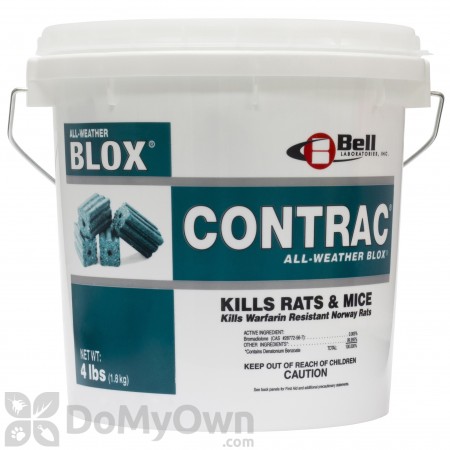
Bell Labs
Contrac Blox Rodenticide
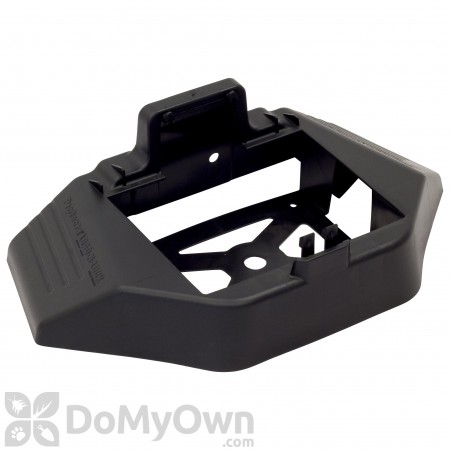
Bell Labs
Protecta LP Bait Station
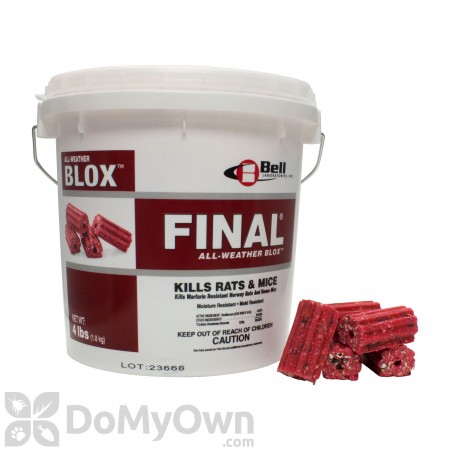
Bell Labs
Final Blox Rodenticide