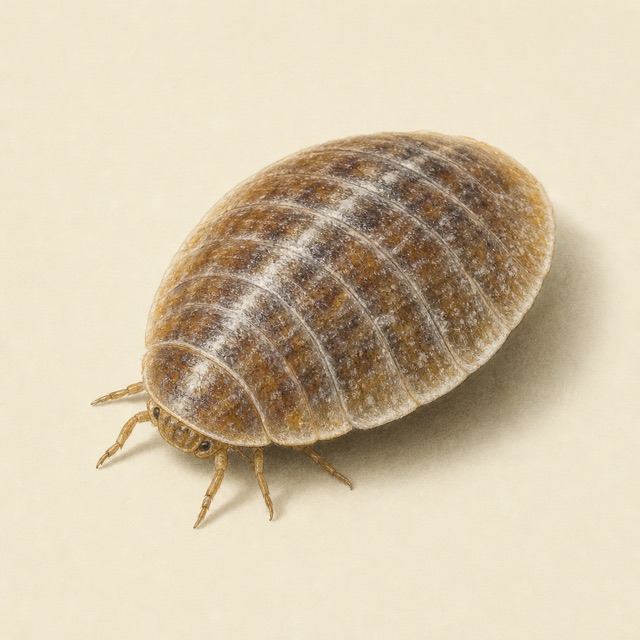
Those mysterious brown bumps on your plant stems aren't a disease—they're scale insects, armored sap-suckers that drain your plants while hiding under waxy shells. These sneaky pests multiply rapidly and can kill prized plants if left unchecked, but their protective coating makes them surprisingly tough to eliminate. The key is understanding their life cycle and hitting them when they're vulnerable.
Scale Insects: Complete Guide are identifiable by their Brown, white, gray, or tan (varies by species) coloring and 1/16 - 1/4 inch size. Scientific name: Superfamily Coccoidea. They have distinct physical features that help differentiate them from similar pests.
Signs of Infestation
- •Physical sightings of the pest in or around the affected area
- •Damage patterns characteristic of this pest's feeding or nesting behavior
- •Droppings, shed skins, or other biological evidence of infestation
Key Inspection Areas
- •Areas where Indoor plants, outdoor ornamentals, citrus trees, and fruit trees; typically found on stems, leaf undersides, and branches is commonly found
- •Entry points and harborage sites specific to this pest
- •Food and water sources that attract this pest
When to Inspect
Inspect during peak activity times for this pest. Check regularly during their active season (Year-round indoors; spring through fall outdoors).
Inspection Tools
Flashlight for inspecting dark areas, appropriate traps for monitoring
Identify the Type of Scale
Determine whether you're dealing with armored scales (hard, flat shells that don't move) or soft scales (slightly raised, often producing sticky honeydew). Check stems, leaf undersides, and branch crotches for small bumps that don't come off easily. Soft scales are generally easier to treat, while armored scales require more persistent effort due to their protective waxy coating.
Isolate Infested Plants Immediately
Move affected houseplants away from healthy ones to prevent crawler spread. Scale insects produce tiny mobile nymphs called crawlers that can migrate to nearby plants. Inspect neighboring plants carefully, looking for the telltale bumps and sticky honeydew residue on leaves below the infestation. Don't skip this step—scale can spread through an entire plant collection in weeks.
Manually Remove Visible Scales
Use a soft toothbrush, cotton swab dipped in rubbing alcohol, or your fingernail to physically scrape off scale insects. This is tedious but highly effective for light infestations. The alcohol dissolves their waxy coating and kills them on contact. For larger infestations on outdoor plants, use a strong spray of water to dislodge scales, then follow up with additional treatments.
Apply Horticultural Oil or Insecticidal Soap
Spray thoroughly with a horticultural oil like Bonide All Seasons Oil or insecticidal soap such as Safer Brand. These products suffocate scales by coating their bodies and are most effective against crawlers and young scales. Apply every 7-10 days for 3-4 weeks to catch newly hatched crawlers. Ensure complete coverage on stems, leaf undersides, and branch joints where scales hide.
Use Systemic Insecticides for Severe Infestations
For stubborn or widespread scale problems, apply a systemic insecticide containing imidacloprid like Bayer Advanced Tree & Shrub or Safari. These products are absorbed by the plant and poison scales as they feed. Apply as a soil drench for trees and shrubs, or use granular formulations around the base of outdoor plants. Results take 2-4 weeks but provide long-lasting protection.
Introduce Natural Predators
For outdoor infestations, release beneficial insects like ladybugs or parasitic wasps (Metaphycus helvolus). These natural enemies feed on scale insects and can provide long-term control without chemicals. Avoid broad-spectrum pesticides that kill these helpers. Lacewings are particularly effective against soft scales and are available from garden suppliers like Arbico Organics.
Prune Heavily Infested Branches
Cut away branches or stems with dense scale populations that are beyond saving. Seal pruned material in plastic bags before disposing to prevent crawler escape. This reduces the overall pest population and helps your other treatments work more effectively. Disinfect pruning tools with rubbing alcohol between cuts to avoid spreading scales.
Monitor and Maintain Prevention
Inspect plants weekly for at least two months after treatment, as scale eggs can survive initial applications. Look for new bumps, sticky residue, or sooty mold (a black fungus that grows on honeydew). Keep plants healthy with proper watering and fertilization—stressed plants are more susceptible to scale. Wipe down leaves monthly with a damp cloth to catch early infestations and remove honeydew.
- 1Eliminate food sources and properly store food items
- 2Reduce moisture and fix any water leaks
- 3Seal entry points and potential access routes
- 4Maintain cleanliness and reduce clutter that provides harborage
- 5Monitor regularly and address problems early before populations grow
Why do scale insects keep coming back after I treat them?
Scale insects have multiple life stages, and eggs protected under the waxy coating can survive treatments. The crawler stage emerges weeks after you think you've won, restarting the infestation. You need repeated applications timed to catch these crawlers when they're vulnerable—typically every 7-10 days for at least a month. Also check that you're achieving complete spray coverage on all plant surfaces.
What's the sticky stuff on my plant leaves below the scale infestation?
That's honeydew, a sugary excrement produced by soft scale insects as they feed on plant sap. This sticky substance attracts ants (who farm the scales for honeydew) and provides a growth medium for sooty mold fungus, which appears as black coating on leaves. While unsightly, the sooty mold itself doesn't harm plants, but it blocks light and indicates an active scale problem that needs treatment.
Can I use neem oil to kill scale insects?
Neem oil has limited effectiveness against scale insects because their waxy coating protects them from contact sprays. It works better as a preventative or against young crawlers rather than established scales. If you choose neem, use a high-quality product like Bonide Neem Oil and apply every 7 days, ensuring thorough coverage. Horticultural oils and systemic insecticides generally provide better results for active infestations.
Are scale insects harmful to humans or pets?
No, scale insects pose no direct threat to humans or pets—they only feed on plant sap. However, the treatments you use might require caution. Keep pets away from plants treated with systemic insecticides until dry, and follow label directions carefully. Horticultural oils and insecticidal soaps are generally pet-safe once dried and are good choices for households with animals.
How can I tell if a plant is too far gone from scale damage?
If more than 50% of leaves have yellowed and dropped, branches are dying back significantly, and the plant shows little new growth despite treatment, it may be beyond saving. Heavy scale crusting that covers most stems also indicates severe damage. At this point, disposal prevents spread to healthy plants. However, many plants can recover if you catch the infestation before extensive dieback occurs and commit to consistent treatment.
Quick Facts
- Size
- 1/16 - 1/4 inch
- Color
- Brown, white, gray, or tan (varies by species)
- Habitat
- Indoor plants, outdoor ornamentals, citrus trees, and fruit trees; typically found on stems, leaf undersides, and branches
- Active Season
- Year-round indoors; spring through fall outdoors
Danger Level: Medium
This pest can cause health issues or property damage if left untreated.