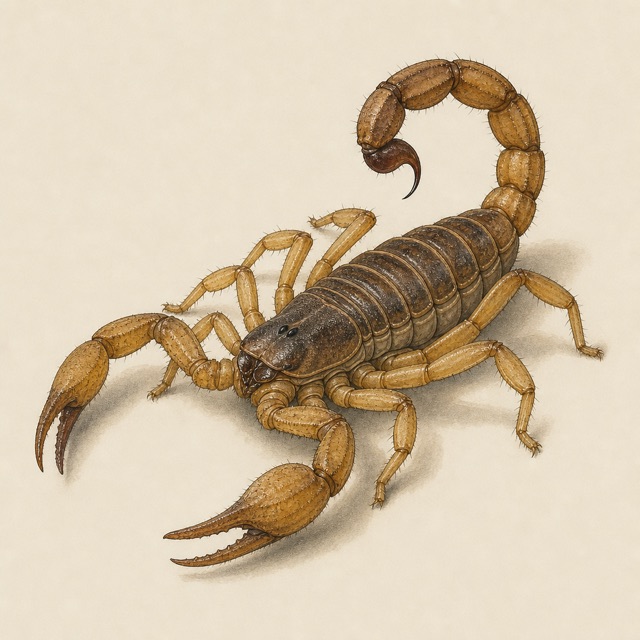
Finding a scorpion in your home is terrifying, and for good reason—these ancient arachnids pack a venomous sting that can cause serious pain or even medical emergencies. While most scorpion species aren't deadly to healthy adults, the bark scorpion can be dangerous to children and pets. The good news? With the right exclusion tactics and treatment strategy, you can make your home scorpion-proof.
Scorpions are 2 to 3 inches long (up to 5 inches for desert species), with a flattened body, 8 legs, large pincer claws, and a curved tail with a stinger at the tip. They are tan, brown, or yellowish, and fluoresce bright blue-green under UV blacklight.
Similar Pests
Pseudoscorpions are tiny (under 1/4 inch), lack a tail, and are harmless. Whip scorpions have whip-like tails but no stinger. Vinegaroons are larger and spray acetic acid, not venom.
Signs of Infestation
- •Scorpions glowing bright blue-green when scanned with a UV flashlight at night
- •Scorpions hiding under rocks, bark, woodpiles, or debris during the day
- •Painful stings causing burning, swelling, and numbness (bark scorpions are most dangerous)
- •Shed exoskeletons near harborage areas
Key Inspection Areas
- •Under rocks, boards, firewood, and landscape debris
- •Inside shoes, clothing, and towels left on floor
- •In attics, crawl spaces, and wall voids
- •Around door thresholds, window wells, and foundation cracks
- •Near outdoor water sources (pools, sprinklers, pet bowls)
When to Inspect
Inspect at night with a UV blacklight (scorpions fluoresce bright blue-green). Check spring through fall when most active. Inspect before reaching into dark areas or putting on stored clothing/shoes.
Inspection Tools
UV blacklight flashlight (395-400nm wavelength), long-handled grabber tool, protective gloves, sealed containers for captured scorpions
Identify Your Scorpion Species
Not all scorpions are equally dangerous. The Arizona bark scorpion is the most venomous in North America and requires professional attention. Most other species like striped bark scorpions or giant desert hairy scorpions cause painful but not life-threatening stings. Use a blacklight at night—scorpions glow bright blue-green under UV light, making identification and hunting much easier.
Seal Every Entry Point
Scorpions can squeeze through cracks as thin as a credit card. Inspect your home's foundation, window frames, door sweeps, and utility penetrations. Use silicone caulk for small gaps and expanding foam for larger holes. Install weather stripping on all doors, and add door sweeps that touch the ground completely. Pay special attention to areas where pipes and wires enter your home.
Eliminate Outdoor Harborage Sites
Scorpions hide under rocks, wood piles, debris, and dense vegetation during the day. Remove these hiding spots within 10 feet of your foundation. Store firewood at least 30 feet from your home on raised racks. Trim tree branches and shrubs away from walls, and eliminate any items leaning against your house that create dark, cool spaces.
Apply Residual Insecticide Barrier
Create a chemical barrier using products like Talstar P, Demand CS, or Cyper WSP around your home's perimeter. Spray a 3-foot band up the walls and 6 feet out from the foundation. Treat entry points, window frames, and cracks thoroughly. Reapply every 60-90 days. For indoor cracks and crevices, use CimeXa insecticidal dust, which remains effective for up to 10 years.
Control Their Food Source
Scorpions eat crickets, roaches, spiders, and other small insects. If you eliminate their prey, you eliminate the scorpions. Use Advion cockroach gel bait in indoor areas and granular insecticides like Talstar Xtra or Bifen LP in your yard. Treating the food chain is often more effective than targeting scorpions directly.
Install Sticky Traps for Monitoring
Place glue traps like Catchmaster or Trapper Max along baseboards, in corners, and near entry points. These help you monitor activity levels and catch scorpions traveling through your home. Check traps weekly and note patterns—if you're catching them near specific areas, focus your exclusion and treatment efforts there.
Reduce Moisture Sources
Scorpions need water to survive. Fix leaky pipes, improve drainage around your foundation, and eliminate standing water. Use dehumidifiers in damp crawl spaces and basements. Water your lawn in the morning rather than evening, and avoid overwatering plants near your home's foundation.
Nighttime Hunting with Blacklight
Once monthly, conduct a nighttime inspection with a UV flashlight. Scorpions fluoresce brightly under blacklight, making them easy to spot. Use long tweezers or grabbers to collect them—never use your bare hands. This is especially effective after applying treatments to verify you're winning the battle. Dispose of captured scorpions in soapy water or rubbing alcohol.
- 1Remove piles of rocks, boards, firewood, and debris from around foundation
- 2Seal cracks and gaps around doors, windows, pipes, and foundations with caulk or foam
- 3Install weatherstripping and door sweeps on all exterior doors
- 4Keep landscaping trimmed away from house and reduce mulch depth to less than 2 inches
- 5Shake out shoes, clothing, and towels before use — scorpions hide in dark crevices
- 6Reduce outdoor lighting or switch to yellow lights (scorpions hunt insects attracted to lights)
Seasonal Note
Scorpions are most active spring through fall but can sting year-round in warm climates. Seal entry points before warm season.
What should I do if I get stung by a scorpion?
Clean the area with soap and water, apply a cool compress, and take over-the-counter pain medication. If you experience severe symptoms like difficulty breathing, muscle twitching, unusual eye movements, or if a child or elderly person is stung, seek immediate medical attention. Bark scorpion stings may require antivenom, especially for vulnerable individuals. Keep the scorpion if possible for identification.
Why do scorpions come inside homes?
Scorpions enter homes hunting for prey (insects), seeking water, or looking for climate-controlled shelter from extreme temperatures. They're especially attracted to moisture in bathrooms, kitchens, and laundry rooms. New construction often disturbs their natural habitat, driving them indoors. They're nocturnal and typically enter at night through tiny gaps under doors or through foundation cracks.
Do scorpions climb walls and ceilings?
Yes, most scorpions are excellent climbers and can scale rough surfaces like stucco, brick, and wood. The bark scorpion is particularly adept at climbing and is often found on walls, ceilings, and even inside cabinets. This is why people sometimes find them in beds—they can drop from ceilings or climb up bed skirts. Keep beds away from walls and tuck in bedding.
How long does it take to get rid of scorpions?
Expect 2-4 months for a significant reduction with consistent treatment. Complete elimination can take 6-12 months depending on infestation severity and how thoroughly you seal entry points. Scorpions reproduce slowly and live 2-6 years, so persistence is key. Ongoing maintenance with quarterly perimeter treatments is recommended in scorpion-prone areas to prevent reinfestation.
Can I use natural or organic methods to repel scorpions?
Honestly, natural repellents like cedar oil, lavender, and cinnamon have limited effectiveness against scorpions. Physical exclusion—sealing entry points—is your best non-chemical option. Diatomaceous earth can work in dry areas but loses effectiveness when wet. For serious infestations, synthetic insecticides like Talstar P or professional treatment are more reliable. Focus your natural efforts on exclusion and habitat modification rather than repellents.
Quick Facts
- Size
- 1-3 inches (some species up to 8 inches)
- Color
- Tan, brown, black, or yellowish
- Habitat
- Desert regions, rocky areas, under debris, inside walls, attics, and crawl spaces
- Active Season
- Year-round in warm climates; most active spring through fall
Danger Level: High
This pest poses significant health or property risks. Act quickly and consider professional help.
Top Products
Recommended for How to Get Rid of Scorpions: Complete Guide
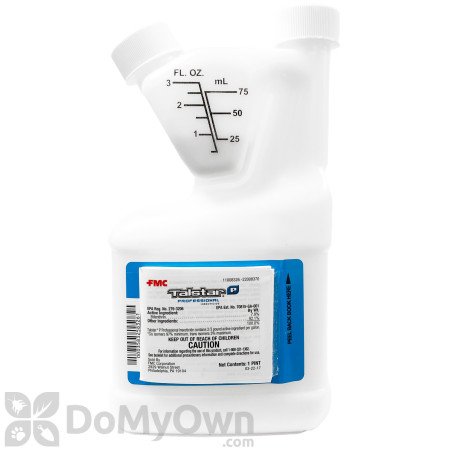
FMC
Talstar P Professional Insecticide
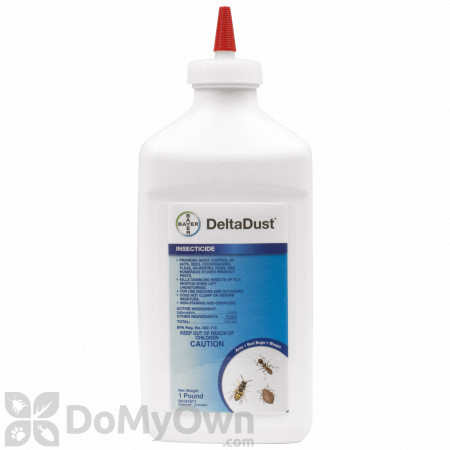
Bayer
Delta Dust Insecticide
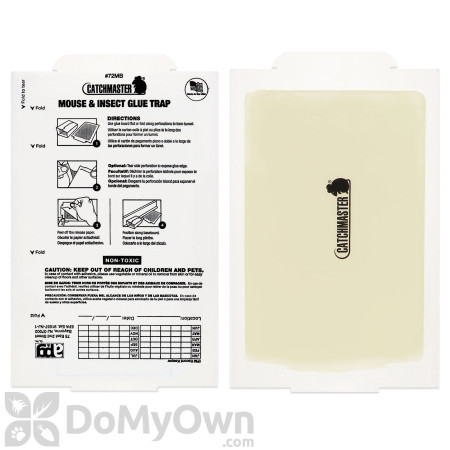
Catchmaster
Catchmaster 72MB Spider & Insect Glue Traps