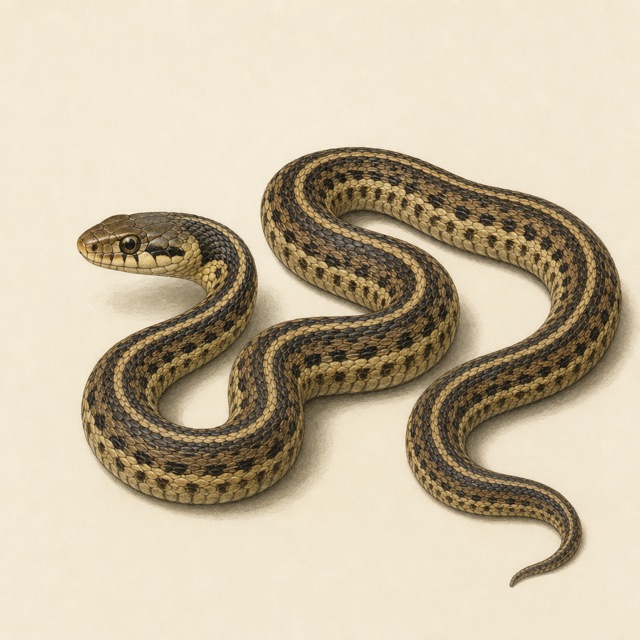
Snakes in your yard or home are attracted by food (rodents, frogs, insects) and shelter (wood piles, tall grass, debris). Most are harmless, but venomous species require caution. The key to snake control is eliminating what attracts them, not trapping or killing. Here's how to make your property snake-proof.
Snake species vary widely. Common non-venomous yard snakes include garter snakes (striped, 2-3 feet), rat snakes (solid black/brown, 4-6 feet), and ring-neck snakes (small, gray with yellow ring). Venomous snakes (copperheads, rattlesnakes, cottonmouths) have triangular heads, slit pupils, and heat-sensing pits between eyes and nostrils. If unsure, treat as venomous.
Similar Pests
Non-venomous water snakes are often mistaken for cottonmouths. Hognose snakes flatten their heads to mimic vipers. When in doubt, keep distance and identify by location and behavior. Most yard snakes are harmless rodent-eaters.
Signs of Infestation
- •Shed snake skins in sheds, garages, or under debris piles
- •Actual snake sightings in yard, garden, or near foundation
- •Tracks or trails in dusty areas (rare but visible in soft soil)
- •Rodent populations suddenly declining (snakes are eating them)
- •Hiding spots disturbed — under boards, in mulch, or rock piles
Key Inspection Areas
- •Wood piles, rock piles, and stacked materials near the home
- •Tall grass, overgrown vegetation, and unmowed areas of the yard
- •Foundation perimeter, especially gaps under porches, sheds, and crawl spaces
- •Compost piles, brush piles, and leaf litter where rodents and insects hide
When to Inspect
Inspect in spring (April-May) when snakes emerge from brumation and in late summer (August-September) when juveniles are active. Check after rain and on warm sunny mornings.
Inspection Tools
Snake hook or long stick for moving debris, flashlight for inspecting dark areas, gloves and boots for protection
Identify the snake species
Take a photo from a safe distance (6+ feet) and use an ID app or local wildlife guide. Most yard snakes are harmless. If venomous (triangular head, slit pupils, heat pits), call a professional wildlife removal service. Do not attempt to catch or kill venomous snakes.
Remove snake attractants: food sources
Snakes eat rodents, frogs, insects, and bird eggs. Eliminate rodent infestations with traps and bait. Remove bird feeders (spilled seed attracts rodents). Clear ponds or water features that attract frogs. No food = no snakes.
Remove snake attractants: shelter
Clear wood piles, rock piles, brush, tall grass, and debris from your yard. Mow lawns short (3 inches or less). Remove tarps, plywood, or stored materials on the ground. Snakes hide in cool, dark, cluttered areas.
Seal entry points to structures
Snakes can enter through gaps as small as 1/4 inch. Seal gaps under doors, around pipes, vents, and foundation cracks with caulk or copper mesh. Install door sweeps and repair damaged vents and screens.
Install snake-proof fencing (optional)
For severe infestations, install 1/4-inch hardware cloth fencing buried 6 inches deep and angled outward at 30 degrees, 3-4 feet tall. This prevents snakes from climbing over or burrowing under. Expensive but highly effective.
Use snake repellents (limited effectiveness)
Granular snake repellents (naphthalene or sulfur-based) may deter some snakes temporarily but are not reliable. Mothballs are toxic and ineffective. Habitat modification is far more effective than repellents.
Set humane snake traps (if needed)
Use glue-based snake traps (release with vegetable oil) or funnel traps near known snake paths. Check traps daily and release non-venomous snakes 1+ mile away. Do not use glue traps for venomous snakes — call professionals.
Call a professional for venomous snakes
If you have confirmed venomous snakes on your property, hire a licensed wildlife removal expert. Do not attempt to trap, relocate, or kill venomous snakes yourself — this is how most snake bites occur.
- 1Keep grass mowed short (3 inches or less) and remove tall weeds and overgrown vegetation
- 2Eliminate rodent populations with traps and bait — snakes follow food sources
- 3Store firewood, lumber, and materials on racks at least 12 inches off the ground
- 4Seal all foundation gaps, crawl space vents, and under-door gaps with caulk or hardware cloth
- 5Remove rock piles, brush piles, and debris from the yard perimeter
- 6Keep bird feeders away from the house — spilled seed attracts rodents, which attract snakes
Seasonal Note
Snakes are most active in spring (April-May) and late summer (August-September). Prevention should be done in early spring before snakes emerge from winter brumation.
Are most yard snakes venomous?
No. In the US, the vast majority of snakes are harmless. Common yard snakes (garter snakes, rat snakes, king snakes) are non-venomous and beneficial — they eat rodents and pests. Only a small percentage are venomous.
Will mothballs or ammonia repel snakes?
No. Mothballs are toxic to pets and humans, and there's no scientific evidence they repel snakes. Ammonia-soaked rags are ineffective and evaporate quickly. Habitat modification is the only reliable method.
Can I relocate a snake myself?
Only if it's non-venomous and you're comfortable handling wildlife. Use a snake hook or long stick to guide it into a bucket, then release it 1+ mile away. Never attempt to relocate venomous snakes — call professionals.
Why do I have snakes if I don't have rodents?
Snakes also eat frogs, lizards, insects, bird eggs, and other snakes. Check for water features (frogs), overgrown vegetation (insects and lizards), or bird nests. Eliminate these food sources.
Will a cat or dog keep snakes away?
Some dogs and cats will chase or kill snakes, but this puts your pet at risk of snake bites, especially from venomous species. Don't rely on pets for snake control — use habitat modification instead.
Are snake-proof fences worth it?
For high-risk areas (near wooded areas, venomous snake populations), yes. Properly installed hardware cloth fencing is 90%+ effective. For occasional non-venomous snakes, habitat modification alone is usually sufficient and far cheaper.
Quick Facts
- Size
- 1 to 6 feet (varies by species)
- Color
- Brown, gray, black, green, or patterned (varies by species)
- Habitat
- Yards, gardens, wood piles, rock walls, sheds
- Active Season
- Spring - Fall (active in warm weather)
Danger Level: Medium
This pest can cause health issues or property damage if left untreated.