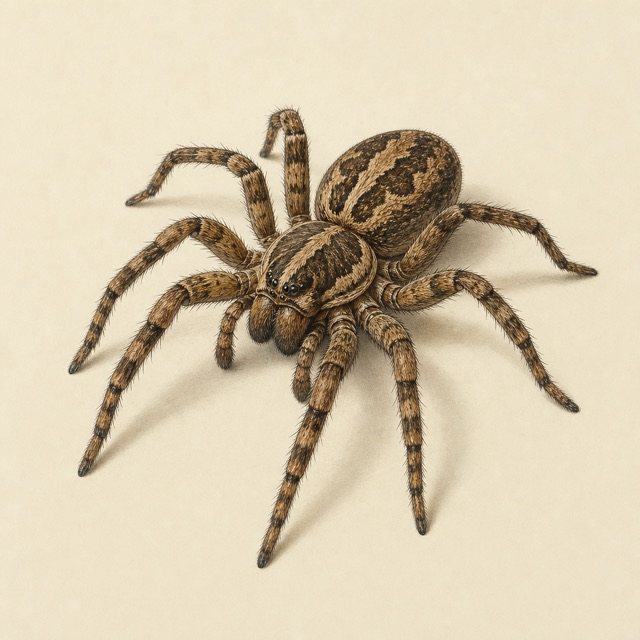
Most spiders in the US are harmless and actually beneficial (they eat other insects). But black widows, brown recluses, and large infestations are worth addressing. Here's the right approach.
Common house spiders vary widely but typically are 1/8 to 3/8 inch body length, with 8 legs, 2 body segments (cephalothorax and abdomen), 8 eyes (usually), and no antennae. Colors range from tan to brown to gray. Most spin webs for catching prey.
Similar Pests
Harvestmen (daddy longlegs) have one body segment and very long thin legs. Ticks have 8 legs but are rounder and smaller. Scorpions have pincers and a tail stinger.
Signs of Infestation
- •Webs in corners, ceiling edges, window frames, and undisturbed areas
- •Egg sacs (silken spheres) attached to webs or hidden in crevices
- •Shed exoskeletons near webs or hiding spots
- •Spiders visible at night or when webs are disturbed
- •Presence of other insects (spiders indicate a prey population)
Key Inspection Areas
- •Corners of rooms, ceiling edges, and window frames
- •Basements, attics, crawl spaces, and garages
- •Behind furniture, appliances, and wall hangings
- •Outdoor areas like sheds, woodpiles, and eaves
When to Inspect
Inspect year-round (spiders are active all year indoors). Check in fall when outdoor spiders seek shelter. Presence of webs indicates active hunting areas. Remove webs to force spiders to relocate.
Inspection Tools
Flashlight, vacuum with hose attachment for web removal, inspection mirror for hard-to-reach areas, gloves when handling materials in infested areas
Identify dangerous species
Black widow: shiny black with red hourglass (females only). Brown recluse: tan/brown with violin shape on back, six eyes. These require immediate action. All others are generally harmless.
Remove webs and egg sacs
Use a vacuum or broom to remove webs and egg sacs immediately. Each egg sac can contain 100–400 spiderlings. This mechanical removal is highly effective.
Reduce clutter
Spiders love cardboard boxes, woodpiles, and cluttered storage. Organize and use plastic bins instead of cardboard. Move woodpiles away from your home's exterior.
Apply perimeter treatment
Spray Talstar P or similar bifenthrin product along your foundation and window/door frames. This kills spiders that cross the barrier and reduces their insect food supply.
Use sticky traps indoors
Place spider glue boards in corners, closets, and under furniture. Excellent monitoring tool — if you're catching many spiders, there's an active problem to address.
Seal exterior gaps
Spiders enter through gaps around pipes, windows, and doors. Caulk and weatherstrip thoroughly. Pay attention to garage doors and basement windows.
Reduce outdoor lighting
White lights attract insects, which attract spiders. Switch to yellow sodium vapor bulbs or LED 'bug lights' near entrances to reduce insect draw.
- 1Reduce clutter in basements, attics, closets, and storage areas to eliminate hiding spots
- 2Seal cracks around windows, doors, pipes, and foundations
- 3Remove spider webs regularly with vacuum or web brush
- 4Reduce outdoor lighting or switch to yellow bug lights to attract fewer insects (spider food)
- 5Keep firewood, lumber, and debris away from house foundation
- 6Use door sweeps and weatherstripping on exterior doors
Seasonal Note
Outdoor spiders migrate indoors in fall. Seal entry points and remove webs in late summer before migrations begin.
How do I identify a brown recluse?
Brown recluse spiders are tan to dark brown, 6–20mm, with a distinctive violin-shaped marking on the cephalothorax. Crucially, they have six eyes (in three pairs) vs. most spiders' eight. They're found primarily in the south-central US.
Do black widows come indoors?
Yes. Black widows prefer dark, undisturbed areas: garages, crawl spaces, woodpiles, and outdoor furniture. Check these regularly, especially in warm months.
Are daddy longlegs venomous?
Daddy longlegs (harvestmen) are not true spiders and are harmless. The common myth about their venom is false. Cellar spiders (also called daddy longlegs) do have venom but their fangs can't penetrate human skin.
Should I kill spiders I find indoors?
Most indoor spiders are house spiders, wolf spiders, or jumping spiders — all harmless and beneficial. Relocating them outdoors is a better option. Reserve pesticides for dangerous species or large infestations.
What attracts spiders to my house?
Primarily insect prey. If you have a spider problem, you likely have an insect problem they're feeding on. Address the underlying pest issue and spider populations will drop.
Quick Facts
- Size
- 1/8 - 3 inches
- Color
- Black, brown, gray
- Habitat
- Corners, basements, outdoors
- Active Season
- Summer - Fall
Danger Level: Low
This pest is primarily a nuisance but can be eliminated with DIY methods.
Top Products
Recommended for How to Get Rid of Spiders (Including Dangerous Species)
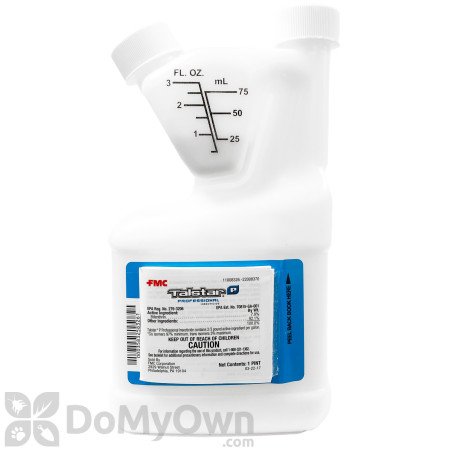
FMC
Talstar P Professional Insecticide
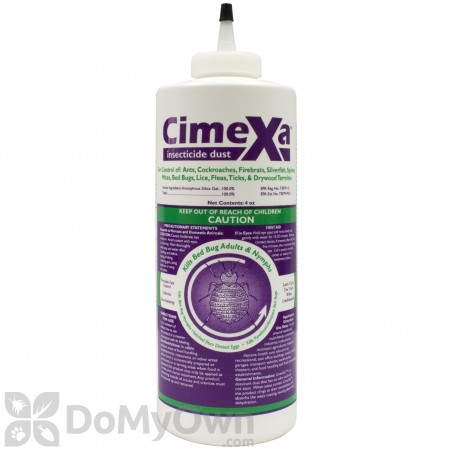
Rockwell Labs
CimeXa Insecticide Dust
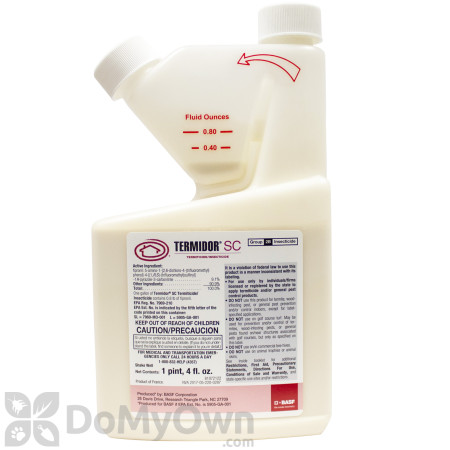
BASF
Termidor SC Termiticide