That adorable squirrel in your yard becomes a lot less cute when it's scratching around in your attic at 3 AM or destroying your bird feeders. These acrobatic rodents cause thousands in damage by chewing through wires, insulation, and wood—plus they're surprisingly difficult to evict once they've settled in. The good news? With the right approach, you can reclaim your home and garden without harming these persistent critters.
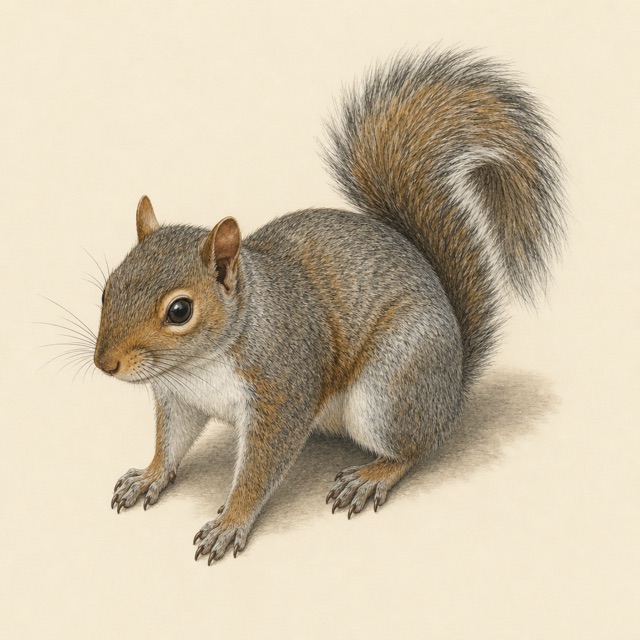
Gray squirrels are 8-10 inches body length, with bushy tails adding another 7-10 inches. They are gray with white underside, large eyes, prominent ears, sharp claws, and agile climbers. Flying squirrels are smaller (8-10 inches total), brown-gray, with gliding membranes between legs.
Similar Pests
Chipmunks are much smaller (5-6 inches) with striped backs. Rats have scaly, hairless tails. Mice are much smaller and lack bushy tails.
Signs of Infestation
- •Scratching, scurrying, or gnawing sounds in attics or walls, especially at dawn and dusk
- •Chewed entry holes (2+ inches diameter) in soffits, fascia, or roof vents
- •Nests made of leaves, twigs, and insulation in attics or tree cavities
- •Chewed wires, insulation, or wooden beams in attics
- •Droppings (3/8 inch, rounded, dark) scattered in attics or on roof
- •Squirrels running along rooflines, power lines, or tree branches near house
Key Inspection Areas
- •Attics, especially near gable vents, soffits, and roof intersections
- •Chimneys, roof vents, and plumbing stack openings
- •Trees overhanging or touching the roof (squirrels jump from branches)
- •Inside walls near electrical wires and plumbing (squirrels chew entry holes)
- •Garage rafters and storage sheds
When to Inspect
Inspect at dawn and dusk when squirrels are most active entering/exiting. Check in fall when squirrels seek winter den sites. Listen for scratching/scurrying sounds in attics in early morning.
Inspection Tools
Binoculars to observe roofline, ladder to inspect soffits and vents, flashlight for attic inspection, gloves and mask for attic work
Identify Entry Points and Active Areas
Walk around your home's exterior looking for gaps larger than 1.5 inches near the roofline, vents, soffits, and where utilities enter. Check for chew marks, droppings (about 3/8 inch oblong pellets), and greasy rub marks along entry routes. If squirrels are in your attic, listen for activity patterns—they're most active at dawn and dusk, unlike nocturnal rats.
Remove Food Sources and Attractants
Switch to squirrel-proof bird feeders like the Brome Squirrel Buster or Droll Yankees Flipper, which close under a squirrel's weight. Clean up fallen fruit, secure garbage cans with locking lids, and store pet food indoors. Trim tree branches to at least 8-10 feet away from your roof—squirrels can jump surprisingly far but this makes access much harder.
Install One-Way Exclusion Doors
Before sealing any holes, make sure all squirrels are out (never during baby season, typically March-April and August-September). Install one-way exclusion funnels like the Tomahawk Excluder or DIY versions using hardware cloth at main entry points. Leave these in place for 3-5 days to ensure all squirrels have exited, monitoring for activity before permanent sealing.
Seal Entry Points Permanently
Once you're certain all squirrels are gone, seal holes with 1/2-inch galvanized steel hardware cloth, sheet metal, or Xcluder Fill Fabric—never use spray foam alone as squirrels chew through it easily. Pay special attention to roof-soffit intersections, gable vents, and chimney caps. For chimneys, install a heavy-duty cap with 5/8-inch mesh like the HY-C Shelter.
Use Humane Trapping if Necessary
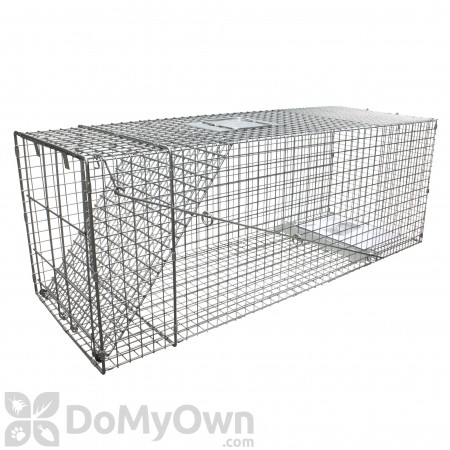
If squirrels are trapped inside or exclusion isn't working, use live cage traps (Havahart 1079 or similar, minimum 17 inches long). Bait with peanut butter, orange slices, or sunflower seeds, and check twice daily. Always check local regulations—many areas require wildlife rehabilitator licenses for relocation, and moving squirrels more than a mile usually results in their death from territorial disputes.
Apply Deterrents to Problem Areas
Spray I Must Garden Squirrel Repellent or homemade cayenne pepper solution on plants, wood trim, and areas where squirrels chew. Install motion-activated sprinklers like the Orbit Enforcer in gardens and near entry points. For attics and crawlspaces, predator urine products (Nature's Defense) can discourage re-entry, though results vary and reapplication is needed monthly.
Protect Specific Vulnerable Areas
Wrap vulnerable tree trunks with 2-foot-wide metal flashing at least 6 feet off the ground to prevent climbing. Cover garden beds with 3/4-inch chicken wire anchored at edges, or use row covers for vegetables. Install PVC pipe sleeves on bird feeder poles—squirrels can't grip the slippery surface and slide back down.
Monitor and Maintain Your Defenses
Inspect your home's exterior monthly for new damage or entry attempts—squirrels are persistent and will test defenses repeatedly. Keep trees trimmed and check that exclusion materials haven't loosened from weather or woodpecker damage. If you hear scratching return, act immediately before a new nest is established, as removal becomes exponentially harder once babies arrive.
- 1Trim tree branches so they're at least 8-10 feet away from roofline
- 2Install 1/4-inch wire mesh over attic vents, soffits, and chimney caps
- 3Repair damaged siding, fascia, and soffits where squirrels chew entry holes
- 4Remove bird feeders or use squirrel-proof feeders to eliminate food sources
- 5Install metal flashing or guards around utility wires where squirrels travel
- 6Use 1-way exclusion doors if squirrels are inside attic (let them out but not back in)
Seasonal Note
Squirrels seek den sites in fall and late winter before breeding. Seal entry points in late summer before fall migration.
Can squirrels chew through walls and wiring?
Absolutely—squirrels have incredibly strong teeth that never stop growing, so they constantly gnaw to keep them trimmed. They routinely chew through wood, plastic, aluminum siding, and even soft metals. Electrical wire damage is one of the most dangerous issues, as it creates serious fire hazards and can cost thousands in repairs.
What's the best time to remove squirrels from my attic?
Late fall through early winter is ideal, avoiding baby seasons (March-April and August-September in most areas). If you seal entry points while babies are inside, the mother will cause extensive damage trying to get back in, or babies will die and create odor problems. Listen carefully for high-pitched chirping sounds that indicate babies are present.
Are ultrasonic devices effective against squirrels?
Not really—most independent studies show ultrasonic repellents have minimal to no effect on squirrels, especially long-term. Squirrels may avoid the area briefly when first installed, but they quickly habituate to the sound. Physical exclusion and habitat modification are far more reliable and worth the investment over gadgets that rarely deliver results.
Is it legal to trap and relocate squirrels myself?
It varies significantly by location—many states and municipalities prohibit relocating wildlife without permits, and some ban it entirely due to disease transmission concerns and low survival rates. Relocated squirrels often die from stress, inability to find food and shelter in unfamiliar territory, or conflicts with resident squirrels. Always check your local wildlife regulations before trapping, and consider calling a licensed wildlife control operator for legal guidance.
How do I prevent squirrels from returning after removal?
Success depends on eliminating what attracted them initially: food, shelter, and easy access. Keep all entry points sealed with chew-proof materials like metal, maintain a 10-foot gap between trees and your roof, remove food sources, and consider installing chimney caps and vent covers. Squirrels have excellent spatial memory and will return to productive feeding areas, so making your property inhospitable is the only long-term solution.
Quick Facts
- Size
- 8-12 inches body length, 6-10 inch tail
- Color
- Gray, brown, red, or black depending on species
- Habitat
- Trees, attics, soffits, chimneys, wall voids, gardens
- Active Season
- Year-round, most active spring and fall during breeding
Danger Level: Medium
This pest can cause health issues or property damage if left untreated.