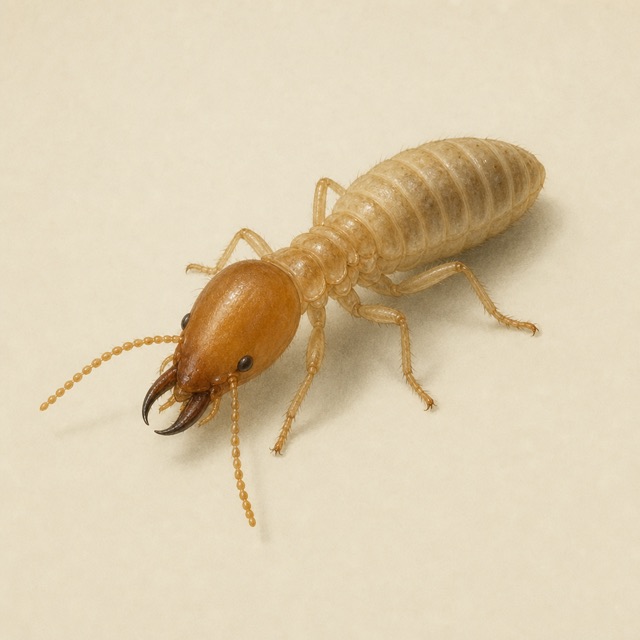
Termites cause $5 billion in property damage annually in the US — more than fires and storms combined. Early detection and fast action are critical to protecting your home.
Subterranean termite workers are 1/8 inch, soft-bodied, cream-colored, with straight antennae and thick waists. Winged swarmers (reproductives) are 1/4 inch with two pairs of equal-length wings, dark bodies, straight antennae, and thick waists.
Similar Pests
Ants have bent antennae, narrow waists, and longer front wings. Flying ants are often mistaken for termite swarmers. Carpenter ants excavate wood but don't eat it; termites consume wood for food.
Signs of Infestation
- •Mud tubes (1/4 to 1/2 inch wide) on foundation walls, piers, or joists connecting soil to wood
- •Discarded wings near windows, doors, or on windowsills after swarmers emerge
- •Hollow-sounding wood that breaks easily and reveals tunnels packed with mud or frass
- •Blistering or darkening of wood surfaces from moisture and termite activity
- •Small pinholes in drywall or wood with fine powdery frass (drywood termites)
Key Inspection Areas
- •Foundation walls, piers, and joists where wood contacts soil
- •Around plumbing entry points, bath traps, and water heater areas
- •In crawl spaces, basements, and under porches with moisture issues
- •Wood siding, window frames, and door frames near ground level
- •Tree stumps, woodpiles, and landscape timbers near foundations
When to Inspect
Inspect in spring when swarmers emerge (March-May in most regions). Check year-round in warm climates. Inspect annually before termite season. Look after rain when termites are more active.
Inspection Tools
Screwdriver or awl to probe wood for softness, flashlight for dark areas, inspection mirror, moisture meter to find damp wood, binoculars to check high areas
Identify termite type
Subterranean termites (most common) build mud tubes from soil to wood. Drywood termites (southern/coastal US) push out tiny fecal pellets. Each requires different treatment.
Look for mud tubes
Check your foundation, crawl space, and any wood-to-soil contact. Mud tubes (pencil-width earthen tunnels) are the #1 sign of subterranean termites.
Inspect for wood damage
Probe suspect wood with a screwdriver. Termite-damaged wood sounds hollow and a probe punches through easily. Check window frames, door frames, and floor joists.
Install Advance Termite Bait Stations
Place termite monitoring stations around your foundation perimeter every 10 feet. Termites find them, consume bait, and transfer it to the colony.
Apply Termidor SC (sub-termites only)
For subterranean termites, trench and treat the soil around your foundation with Termidor SC. This creates an undetectable chemical barrier — termites unknowingly carry it to the colony.
Eliminate wood-to-soil contact
Move mulch away from your foundation (6 inches minimum). Remove dead stumps. Fix wood that contacts the soil directly. This cuts off termite access paths.
Call a professional for significant infestations
If damage is extensive or you find multiple active mud tubes, professional treatment is warranted. Tent fumigation may be needed for drywood termites in severe cases.
- 1Eliminate wood-to-soil contact — keep mulch 6 inches from siding, remove buried wood debris
- 2Fix leaks and moisture problems in crawl spaces, basements, and around foundations
- 3Ensure proper drainage — gutters, downspouts, and grading direct water away from foundation
- 4Remove tree stumps, roots, and wood debris from yard
- 5Store firewood away from house (at least 20 feet) and off the ground
- 6Have professional termite inspection annually, especially before buying a home
Seasonal Note
Termites swarm in spring (March-May in most regions). Schedule annual inspection before swarm season. Moisture control is critical year-round.
How do I know if I have termites or ants?
Termite swarmers have straight antennae, equal-length wings, and a broad waist. Ant swarmers have bent antennae, unequal wings, and a pinched waist. Mud tubes = termites, not ants.
Can termites collapse a house?
Not quickly — structural collapse from termites alone takes decades of neglect. But significant damage to joists, framing, and supports can create expensive repair bills and structural instability.
How much does professional termite treatment cost?
Liquid treatment (Termidor) runs $300–$900 for average homes. Bait systems cost $500–$1,500 annually with monitoring. Tent fumigation runs $1,200–$2,500+. Worth it for serious infestations.
Does homeowner's insurance cover termite damage?
Generally no. Termite damage is considered a maintenance issue and is excluded from standard policies. This is why prevention is critical.
How fast do termites cause damage?
A mature subterranean termite colony of 60,000–1 million workers can consume a pound of wood per day. Visible damage in structural wood can occur within 3–8 years of infestation.
Quick Facts
- Size
- 1/8 - 1/4 inch
- Color
- Cream, brown
- Habitat
- Wood, soil
- Active Season
- Spring (swarms)
Danger Level: Extreme
This pest poses significant health or property risks. Act quickly and consider professional help.
Top Products
Recommended for How to Get Rid of Termites: DIY and When to Call a Pro
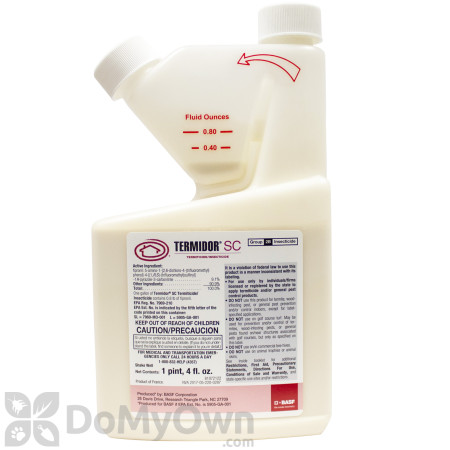
BASF
Termidor SC Termiticide
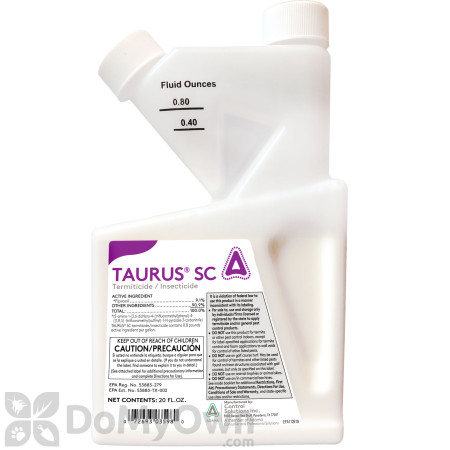
Control Solutions
Taurus SC Termiticide and Insecticide
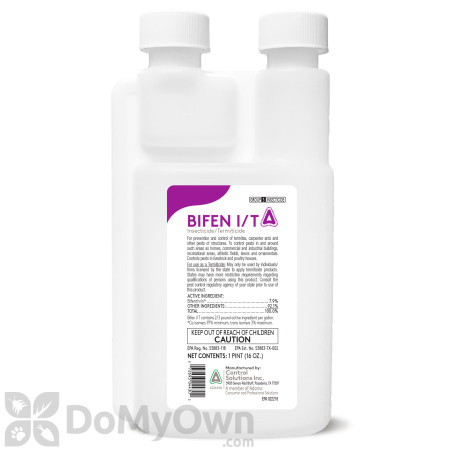
Control Solutions
Bifen IT Insecticide