Ticks aren't just annoying—they're legitimate health threats that transmit Lyme disease, Rocky Mountain spotted fever, and other serious illnesses. These parasitic arachnids lurk in your yard, waiting to latch onto you, your kids, or your pets. The good news? With the right strategy combining yard treatment, personal protection, and vigilant checking, you can dramatically reduce your tick exposure.
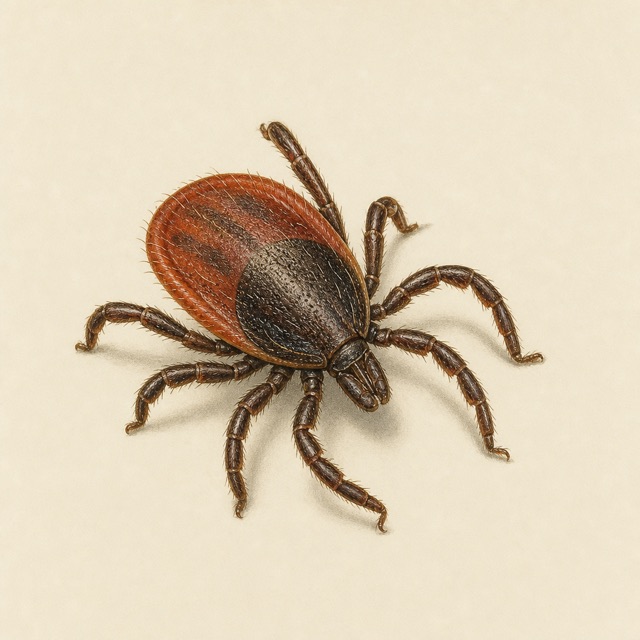
Adult ticks are 1/8 to 1/4 inch unfed (up to 1/2 inch when engorged), oval, flattened, reddish-brown to black, with 8 legs. Deer ticks (blacklegged ticks) are smaller; dog ticks and lone star ticks are larger. They have a hard shell (scutum) covering part of the back.
Similar Pests
Bed bugs have 6 legs and are more rounded. Spider beetles are rounder with antennae. Ticks lack antennae and have a distinct capitulum (mouthpart structure).
Signs of Infestation
- •Ticks crawling on skin, clothing, or pets after outdoor activity in grassy or wooded areas
- •Attached ticks embedded in skin, often in warm moist areas (groin, armpits, scalp, behind ears)
- •Engorged ticks swollen to 2-3x normal size after feeding for days
- •Bull's-eye rash (erythema migrans) appearing days to weeks after deer tick bite (Lyme disease sign)
- •Pets scratching or showing bumps where ticks are attached
Key Inspection Areas
- •Tall grass, weedy areas, and brushy woodland edges
- •Leaf litter, woodpiles, and stone walls
- •On pets after outdoor walks in infested areas
- •On skin after hiking, camping, or yard work in tick habitat
- •Grassy areas near deer trails or wildlife corridors
When to Inspect
Inspect immediately after outdoor activity in tick habitat. Check year-round in warm climates, spring through fall in temperate regions. Peak tick activity is April-September. Nymphs are most active May-July.
Inspection Tools
Full-length mirror for self-inspection, fine-tipped tweezers for tick removal, tick identification card, sealed container or tape to save removed tick for identification
Treat Your Yard Perimeter
Apply a tick-specific yard spray like Talstar P or Bifen IT around your property's perimeter, focusing on the transition zones between lawn and wooded areas. Spray tall grass, brush piles, stone walls, and wood piles where ticks congregate. For best results, treat in early spring before tick season peaks, then reapply every 30-45 days through fall.
Create a Tick-Safe Zone
Establish a 3-foot wide barrier of wood chips or gravel between your lawn and wooded areas—ticks rarely cross these dry barriers. Keep your lawn mowed short (below 3 inches) and remove leaf litter, brush, and weeds where ticks thrive. Clear tall grasses and brush around outdoor furniture, play areas, and pathways your family uses regularly.
Apply Tick Tubes for Long-Term Control
Deploy Thermacell Tick Control Tubes or Damminix around your yard in early spring and again in late summer. These tubes contain permethrin-treated cotton that mice collect for nesting, killing tick larvae that feed on the mice. Place 2 tubes per 1/10 acre, focusing on areas near stone walls, woodpiles, and property edges where mice travel.
Protect Your Pets
Apply veterinarian-recommended tick preventatives like Frontline, Seresto collars, or Bravecto to all outdoor pets year-round. Check your pets thoroughly after they've been outside, especially around the ears, neck, between toes, and under the collar. Regular grooming and tick checks prevent your pets from bringing ticks inside your home.
Dress for Tick Prevention
Treat your outdoor clothing and gear with permethrin spray like Sawyer Premium or Ben's Clothing & Gear spray—one application lasts 6 weeks or multiple washes. When hiking or doing yard work, wear light-colored clothing so ticks are visible, tuck pants into socks, and wear long sleeves. The permethrin kills ticks on contact before they can reach your skin.
Use Effective Repellents
Apply EPA-registered repellents containing 20-30% DEET (like Sawyer or Repel), picaridin, or oil of lemon eucalyptus to exposed skin before outdoor activities. Reapply every 2-3 hours according to product directions. Focus on ankles, legs, and arms where ticks most commonly attempt to attach.
Perform Thorough Tick Checks
Within 2 hours of coming indoors, do a full-body tick check on yourself, children, and pets. Pay special attention to warm, moist areas: behind knees, in and around ears, inside belly button, back of neck, hairline, armpits, and groin. Shower within 2 hours to wash off unattached ticks and make spotting attached ones easier.
Remove Attached Ticks Properly
Use fine-tipped tweezers or a tick removal tool like the Tick Key to grasp the tick as close to your skin as possible. Pull upward with steady, even pressure—don't twist or jerk. Clean the bite area with rubbing alcohol or soap and water, then save the tick in a sealed bag with the date for potential testing if symptoms develop. Never use heat, petroleum jelly, or other folk remedies that can cause the tick to regurgitate into the wound.
- 1Create a 3-foot gravel or wood chip barrier between lawns and wooded areas to reduce tick migration
- 2Mow lawns regularly and keep grass short (below 3 inches)
- 3Remove leaf litter, brush, and tall grass where ticks hide
- 4Apply acaricide spray (permethrin, bifenthrin) to lawn edges and wooded borders in May and September
- 5Wear long pants tucked into socks when hiking or working in tick habitat
- 6Apply DEET or permethrin repellent to clothing and exposed skin; check for ticks after outdoor activities
- 7Treat pets with veterinarian-approved tick preventive year-round
Seasonal Note
Tick activity peaks April-September. Treat yard in May before nymph activity and September before adult activity.
How long does a tick need to be attached to transmit Lyme disease?
Blacklegged ticks (deer ticks) typically need to be attached for 36-48 hours to transmit Lyme disease bacteria. This is why prompt tick checks and removal within 24 hours dramatically reduces infection risk. Other diseases like Powassan virus can transmit in as little as 15 minutes, though this is much rarer.
What's the best way to kill ticks in my yard?
Professional-grade sprays containing bifenthrin (Bifen IT) or permethrin (Talstar P) are most effective for yard treatment. Focus on perimeter areas, tall grass, and leaf litter rather than your entire lawn. Combining chemical treatment with habitat modification (removing leaf litter, creating barriers) and tick tubes provides the best long-term control.
Can ticks live in my house?
Ticks don't infest homes like fleas or bed bugs—they can't complete their life cycle indoors. However, they can be carried inside on pets, clothing, or gear and may survive for several weeks while seeking a host. Regular vacuuming, washing bedding in hot water, and checking pets prevents this from becoming a problem.
Do ticks die in winter?
Most tick species become dormant in freezing temperatures but don't die—they can reactivate on warmer winter days above 40°F. Blacklegged ticks (deer ticks) are actually active throughout winter whenever temperatures rise above freezing. Some ticks survive by finding shelter in leaf litter or under snow cover.
Are natural tick repellents effective?
Oil of lemon eucalyptus (OLE) products like Repel are EPA-registered and genuinely effective when containing at least 30% OLE. However, most other "natural" repellents (garlic, essential oils, ultrasonic devices) lack scientific evidence of effectiveness against ticks. For serious tick habitat, stick with DEET, picaridin, permethrin, or OLE products with proven efficacy.
Quick Facts
- Size
- 1/8 inch (unfed) to 1/2 inch (engorged)
- Color
- Brown, reddish-brown, or black depending on species
- Habitat
- Wooded areas, tall grass, leaf litter, shrubs, and vegetation edges where they wait for hosts
- Active Season
- Spring through fall (peak May-September), some species active year-round in warmer climates
Danger Level: High
This pest poses significant health or property risks. Act quickly and consider professional help.
Top Products
Recommended for How to Get Rid of Ticks: Complete Guide
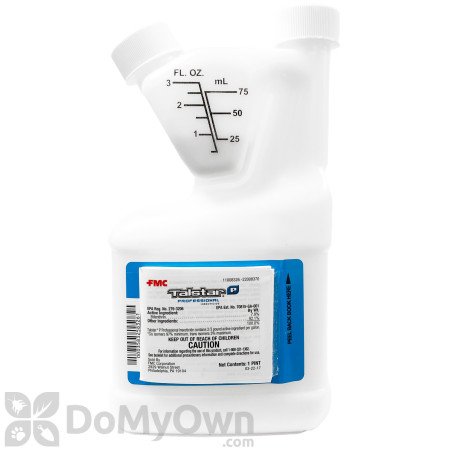
FMC
Talstar P Professional Insecticide
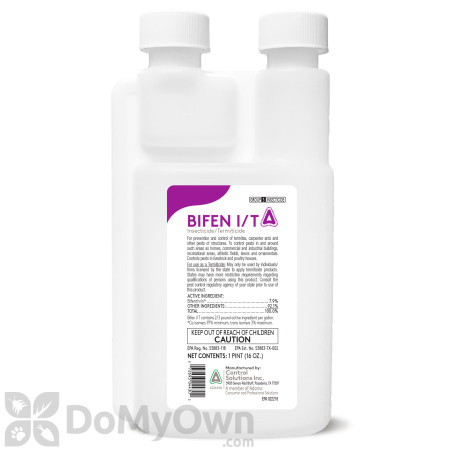
Control Solutions
Bifen IT Insecticide
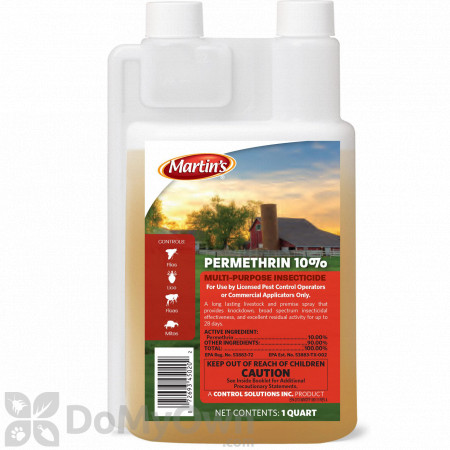
Control Solutions
Martin's Permethrin 10% Multi-Purpose Insecticide