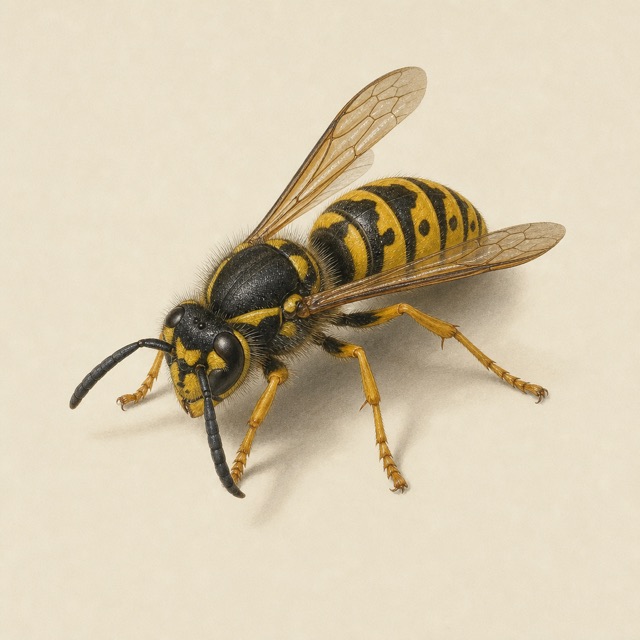
Wasps and hornets can sting repeatedly and defend nests aggressively. This guide covers how to eliminate them safely without getting stung.
Paper wasps are 5/8 to 3/4 inch, slender-waisted, long-legged, brown with yellow markings or reddish. They have smooth bodies (not fuzzy), narrow waists, and fold wings lengthwise at rest. Yellow jackets are stockier, brighter yellow/black, and more aggressive.
Similar Pests
Honey bees are fuzzier, tan/brown, and die after stinging. Hornets are larger and black/white or brown/yellow. Hoverflies mimic wasps but have 2 wings (not 4) and don't sting.
Signs of Infestation
- •Open-comb paper nests (umbrella-shaped) hanging from eaves, branches, or porch ceilings
- •Wasps flying in and out of nests or hovering near nesting sites
- •Aggressive behavior when nests are approached, especially in late summer
- •Chewed wood fibers on fences or siding where wasps gather nesting material
- •Wasps scavenging at outdoor food, trash cans, or sugary drinks
Key Inspection Areas
- •Under eaves, porch ceilings, and deck railings
- •In shrubs, trees, and dense vegetation
- •Inside attics, wall voids, and shutters
- •On branches, fence rails, and outdoor structures
- •Near outdoor trash cans and compost bins (food sources)
When to Inspect
Inspect in late summer and fall when nests are largest and wasps are most aggressive. Early morning or dusk is safest for inspection when wasps are less active. Watch for flight paths to locate nests.
Inspection Tools
Binoculars to observe nests from safe distance, red-filtered flashlight for night inspection, protective clothing if approaching nest
Locate the nest
Watch where wasps fly to in the evening when they return to the nest. Nests can be in eaves, wall voids, underground (yellow jackets), or hanging from trees and overhangs.
Treat at night
Wasps are sluggish and in the nest after dark. This is the safest time to treat. Wear protective clothing — long sleeves, gloves, and eye protection at minimum.
Spray the nest
Use Spectracide Wasp & Hornet Killer from at least 20 feet away for aerial nests. Apply directly into the nest opening. Soak thoroughly and retreat if activity continues the next night.
For underground nests
Pour a cup of soapy water into the entrance first, then spray insecticide into the hole. Cover with a rock or bowl to prevent exit. Approach from the side, not directly in front.
Wait 24 hours before removing nest
After treating, wait at least 24 hours before removing the nest. Check for activity. A few stray wasps will still return to the site — they'll die within a day or two.
Seal entry points
If wasps nested in a wall void, seal the entry point after elimination. Otherwise, future colonies will reuse the same spot.
Use decoy nests for prevention
Commercial fake wasp nests (wasp deterrents) exploit territorial behavior — wasps won't build near an existing nest. Hang near potential nesting sites in spring.
- 1Inspect property in early spring for small starter nests (walnut-size) and remove before colonies grow
- 2Seal cracks and gaps in siding, soffits, vents, and eaves where wasps build nests
- 3Keep garbage cans tightly sealed and remove fallen fruit from yard
- 4Avoid wearing bright colors, floral patterns, or strong perfumes/colognes outdoors
- 5Don't swat at wasps — move away slowly if they approach
- 6Remove nests at night or early morning when wasps are less active (hire professional for large/high nests)
Seasonal Note
Early spring nest removal (April-May) prevents large summer colonies. Wasps are most aggressive in late summer/fall when colonies peak.
What's the difference between wasps, hornets, and yellow jackets?
Yellow jackets are small wasps (3/4 inch) with bright yellow and black banding. Hornets are larger (1 inch+) — the bald-faced hornet is black and white. Paper wasps have a narrow waist and long legs. All can sting repeatedly.
Are wasps beneficial?
Yes, significantly. Wasps are predatory insects that kill enormous quantities of pest insects to feed their larvae. Most species only sting when threatened. Tolerate them when nests aren't near human activity.
Can I remove a wasp nest myself?
Small nests (under 10 wasps) during early spring can be knocked down at night. Large nests, nests inside walls, or ground nests near high-traffic areas are best handled by a professional.
What should I do if I'm stung?
Remove the stinger (only honeybees leave stingers — scrape sideways rather than pinching). Ice the area. Take an antihistamine. Seek emergency care immediately if you experience throat tightening, difficulty breathing, or known anaphylaxis.
Do wasps die in winter?
Worker wasps die in winter. Fertilized queens overwinter and start new nests in spring. This means the same location can have new nests each year if not treated.
Quick Facts
- Size
- 1/2 - 1 inch
- Color
- Black and yellow
- Habitat
- Nests in eaves, trees, ground
- Active Season
- Spring - Fall
Danger Level: Medium
This pest can cause health issues or property damage if left untreated.
Top Products
Recommended for How to Get Rid of Wasps and Hornets Safely
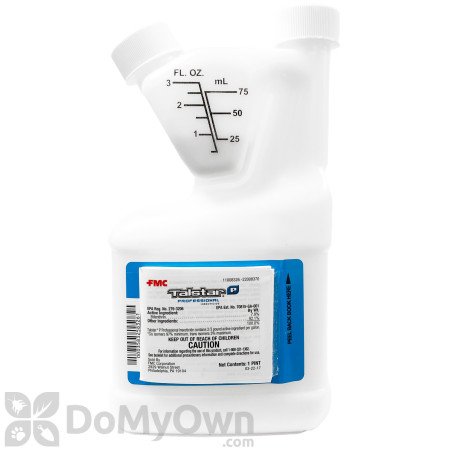
FMC
Talstar P Professional Insecticide
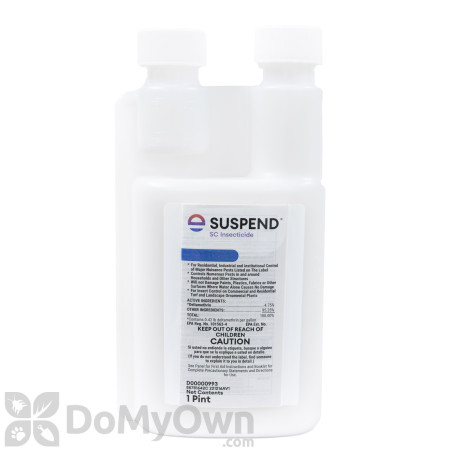
Bayer
Suspend SC Insecticide
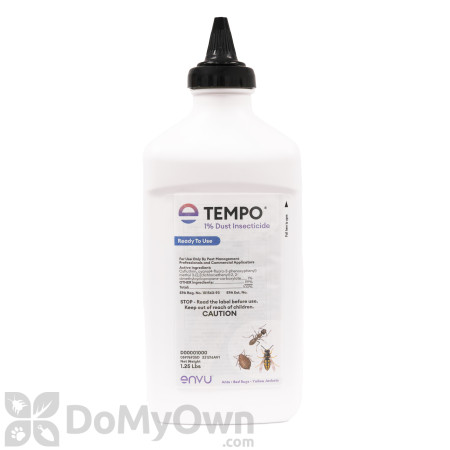
Bayer
Tempo 1% Dust Insecticide