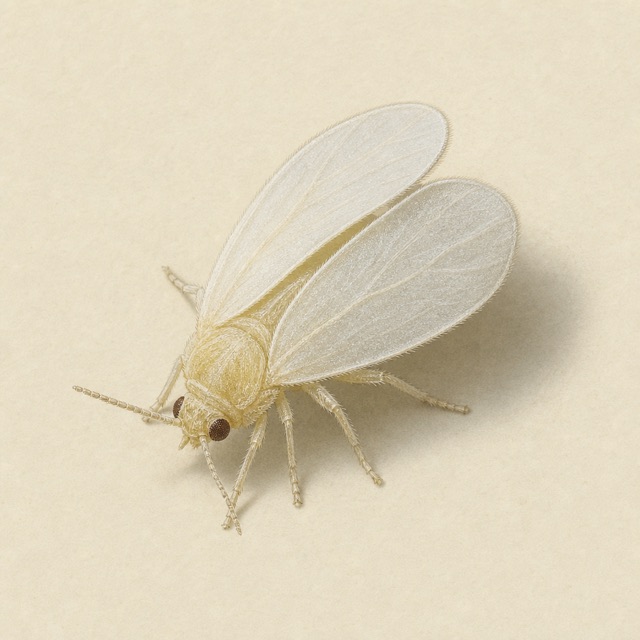
Those tiny white specks erupting from your tomato plants aren't dandruff—they're whiteflies, one of the most persistent garden pests you'll encounter. These sap-sucking insects reproduce at alarming rates and can devastate both indoor and outdoor plants in weeks. The good news? With the right combination of tactics, you can reclaim your garden without resorting to harsh chemicals.
Whiteflies are tiny (1/16 inch), white, moth-like insects with powdery white wings held tent-like over the body. They have piercing-sucking mouthparts, red eyes, and fly in clouds when plants are disturbed. They are not true flies.
Similar Pests
Aphids are pear-shaped and come in many colors, not all white. Mealybugs are wingless and cottony. Psyllids (jumping plant lice) are more active jumpers.
Signs of Infestation
- •Clouds of tiny white flies erupting when infested plants are touched or shaken
- •Sticky honeydew coating on leaves and surfaces below plants
- •Black sooty mold growing on honeydew deposits
- •Yellow stippling or mottling on leaf surfaces from feeding damage
- •Tiny white oval eggs and scale-like nymphs on undersides of leaves
Key Inspection Areas
- •Undersides of leaves on tomatoes, peppers, cucumbers, and ornamentals
- •Greenhouses, sunrooms, and indoor plant areas
- •In garden beds near infested plants (whiteflies don't fly far)
- •Around south-facing windows where indoor plants are kept
When to Inspect
Inspect weekly during active growing season (spring through fall). Check immediately if white clouds are seen when plants are disturbed. Populations explode in warm, dry conditions.
Inspection Tools
Yellow sticky traps to monitor adult populations, hand lens to inspect eggs and nymphs on leaf undersides, white cloth or paper to catch adults shaken from plants
Confirm Your Whitefly Infestation
Gently shake or tap an affected plant—if a cloud of tiny white insects flies up, you've got whiteflies. Check the undersides of leaves for tiny oval eggs, translucent nymphs that look like scales, and sticky honeydew residue. You might also notice black sooty mold growing on the honeydew, which is a telltale sign of a serious infestation.
Start with Physical Removal
Use a strong spray from your garden hose to knock whiteflies off plants early in the morning—this alone can reduce populations by 75% or more. For indoor plants, vacuum adults off leaves using a handheld vacuum, then immediately seal and dispose of the bag. Prune and remove heavily infested leaves in sealed plastic bags to prevent spreading. This gives you an immediate population reduction before other methods kick in.
Deploy Yellow Sticky Traps
Hang yellow sticky traps (whiteflies are strongly attracted to yellow) about 6 inches above plant tops or attach them to stakes throughout your garden. Products like TERRO Spider & Insect Traps or Gideal Dual-Sided Yellow Sticky Traps work excellently. Replace traps every 2-3 weeks or when completely covered. These trap adult whiteflies and help you monitor whether your treatment is working.
Apply Insecticidal Soap or Neem Oil
Spray all leaf surfaces, especially undersides, with insecticidal soap like Safer Brand or a neem oil solution such as Bonide Neem Oil in the early morning or evening. These organic options suffocate whiteflies on contact and disrupt their life cycle. Repeat applications every 5-7 days for at least three weeks to catch newly hatched nymphs. Make sure to achieve complete coverage—whiteflies hide in leaf crevices.
Introduce Natural Predators
Release beneficial insects like Encarsia formosa wasps (parasitize whitefly nymphs) or ladybugs (eat eggs and nymphs) in your garden or greenhouse. You can order these from suppliers like Arbico Organics or Nature's Good Guys. This biological control is especially effective in greenhouses and works continuously without chemicals. One Encarsia wasp can parasitize 50-100 whitefly nymphs in its lifetime.
Use Systemic Insecticide for Severe Cases
For stubborn infestations, apply a systemic insecticide containing imidacloprid (like BioAdvanced 3-in-1 or Bonide Systemic Insect Control) as a soil drench. The plant absorbs it through roots, poisoning whiteflies when they feed. This provides 6-8 weeks of protection but should only be used on ornamentals, never on edibles within 21 days of harvest. Follow label instructions precisely.
Create Reflective Mulch Barriers
Spread aluminum foil mulch or reflective plastic around the base of vulnerable plants—the reflected light confuses and repels whiteflies. This simple trick can reduce whitefly landings by up to 80% in outdoor gardens. It works best early in the season before populations explode and is particularly effective for tomatoes, peppers, and squash.
Prevent Future Infestations
Inspect all new plants thoroughly before bringing them home—quarantine them for a week if possible. Remove garden debris and weeds where whiteflies overwinter. Avoid over-fertilizing with nitrogen, which creates tender new growth that whiteflies love. Consider planting nasturtiums, marigolds, or basil as companion plants, which naturally repel whiteflies. Maintain good air circulation between plants to make the environment less hospitable.
- 1Inspect new plants thoroughly before adding to garden or bringing indoors
- 2Use yellow sticky traps to monitor and catch adult whiteflies before populations explode
- 3Hose off plants with strong water spray weekly to dislodge eggs and nymphs
- 4Apply insecticidal soap or neem oil spray to undersides of leaves at first sign of whiteflies
- 5Introduce beneficial insects (ladybugs, lacewings, parasitic wasps) for biological control
- 6Remove heavily infested leaves or plants to prevent spread to healthy plants
Seasonal Note
Whiteflies thrive in warm, dry conditions. Monitor greenhouse and indoor plants year-round; outdoor plants spring through fall.
Why do whiteflies keep coming back even after I spray them?
Whiteflies have multiple life stages (eggs, nymphs, pupae, adults), and most sprays only kill adults and nymphs on contact. Eggs and pupae are resistant to many treatments, so they hatch into a new generation within days. This is why you need to repeat treatments every 5-7 days for 3-4 weeks to break the reproductive cycle. Consistency is absolutely critical with whiteflies.
Are whiteflies dangerous to humans or just plants?
Whiteflies pose zero direct threat to humans—they don't bite, sting, or transmit diseases to people. However, they're devastating to plants because they suck sap, weaken growth, spread plant viruses, and excrete honeydew that promotes mold growth. Heavy infestations can kill plants entirely or render vegetables inedible due to sooty mold contamination.
Can I use dish soap instead of buying insecticidal soap?
You can make a homemade spray with 1-2 tablespoons of pure liquid dish soap (like Dawn, without degreasers or additives) per gallon of water, but commercial insecticidal soap is more reliable and less likely to damage plants. Regular dish soap can sometimes harm tender foliage or beneficial insects. If you go the DIY route, test on a few leaves first and rinse plants after 2-3 hours.
How long does it take to completely get rid of whiteflies?
With consistent treatment, you should see dramatic reductions in 2-3 weeks, but complete elimination often takes 4-6 weeks because of their rapid breeding cycle. Outdoor populations are harder to control since new whiteflies can fly in from neighboring areas. The key is combining multiple methods (traps, sprays, predators) and maintaining vigilance even after you think they're gone.
What's the white powdery stuff whiteflies leave behind?
That's actually waxy secretions from the whitefly nymphs and the powdery coating on adult wings. The sticky, shiny substance you see on leaves is honeydew—whitefly excrement that's rich in sugars from plant sap. The black coating that sometimes develops on the honeydew is sooty mold, a fungus that grows on the sugar-rich secretions and can block photosynthesis if left untreated.
Quick Facts
- Size
- 1/16 inch (1-2mm)
- Color
- White to pale yellow with powdery white wings
- Habitat
- Underside of plant leaves, especially tomatoes, cucumbers, peppers, and ornamental plants; greenhouses and indoor gardens
- Active Season
- Year-round indoors; spring through fall outdoors (peak in warm weather)
Danger Level: Medium
This pest can cause health issues or property damage if left untreated.
Top Products
Recommended for How to Get Rid of Whiteflies: Complete Guide
Syngenta
Demand CS Insecticide
Bayer
Tempo 1% Dust Insecticide
Spectracide
Spectracide Wasp & Hornet Killer Aerosol