Woodpeckers drilling into your home's siding can cause thousands of dollars in damage and create entry points for water, insects, and other wildlife. Because all native woodpeckers are federally protected under the Migratory Bird Treaty Act, effective management requires non-lethal deterrent strategies rather than removal.
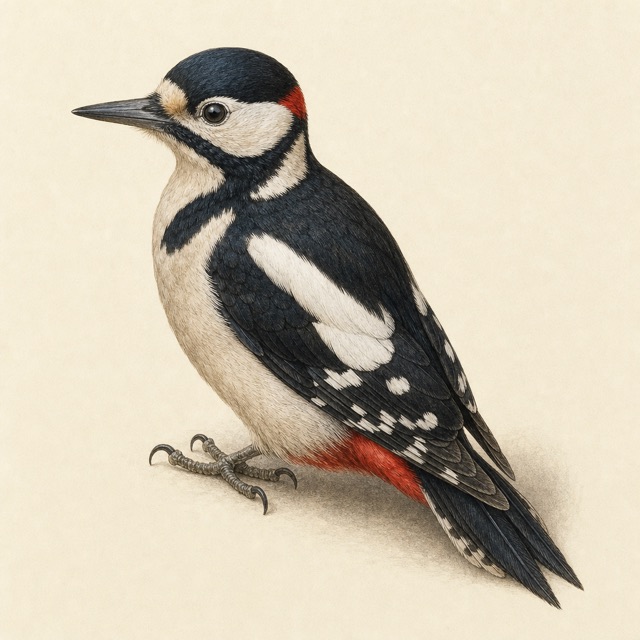
Woodpeckers are easily identified by their strong chisel-like bills, stiff tail feathers used as props while climbing, and their characteristic drumming behavior. Common species damaging homes include the downy woodpecker, hairy woodpecker, northern flicker, red-bellied woodpecker, and the large pileated woodpecker.
Similar Pests
Nuthatches climb headfirst down tree trunks but do not drill holes. Sapsuckers are actually a type of woodpecker that creates neat rows of small holes in trees. Damage from woodpeckers is sometimes confused with carpenter bee holes, which are perfectly round and about half an inch in diameter.
Signs of Infestation
- •Rows of holes or large excavated cavities in wood siding, fascia boards, or trim
- •Loud, rapid drumming sounds on metal gutters, chimney caps, or siding at dawn
- •Wood chips and sawdust accumulations on the ground below damaged areas
- •Rectangular or oval holes that may indicate the bird is excavating a nesting cavity
Key Inspection Areas
- •Cedar, redwood, or plywood siding, especially on south and west-facing walls
- •Fascia boards, corner trim, and areas where siding meets the roofline
- •Metal chimney caps, gutters, and flashing used for territorial drumming
- •Dead trees and wooden fence posts on the property
When to Inspect
Inspect in early morning when woodpeckers are most actively drumming and feeding. Spring inspections are critical to identify damage before nesting cavities are completed. Check damage patterns to determine whether the bird is feeding on insects, creating a nest, or drumming for territory.
Inspection Tools
Binoculars for identifying the species and observing behavior from a distance, a ladder for examining upper-story damage, and a camera to document the extent of damage for repair planning
Determine why the woodpecker is drilling
Woodpeckers damage homes for three reasons: foraging for insects in wood, excavating nesting cavities, or drumming to establish territory. Feeding holes are irregular and often in a line following insect galleries. Nesting cavities are large, round holes. Drumming occurs on resonant surfaces and rarely causes significant damage. Your deterrent strategy depends on the cause.
Address underlying insect infestations
If the woodpecker is foraging, it is finding insects in your siding. Inspect damaged areas for carpenter ants, carpenter bees, wood-boring beetles, or termites. Treating the insect infestation removes the food source and eliminates the woodpecker's reason for drilling. This is the most important step for foraging-related damage.
Install visual deterrents immediately
Hang reflective tape, aluminum pie pans, or holographic bird scare tape within 3 feet of the damage area. The movement and flashing reflections startle woodpeckers. Windsocks shaped like predatory birds can also be effective. Install these as soon as damage begins for maximum impact before the bird establishes a pattern.
Mount physical barriers over damaged areas
Attach hardware cloth or lightweight bird netting over the affected siding section, leaving at least 3 inches of space between the netting and the wall surface. This prevents the woodpecker from reaching the wood while allowing air circulation. For drumming on metal, wrap the resonant surface with cloth to reduce the sound.
Apply taste-based deterrent coatings
Paint damaged and adjacent wood surfaces with a commercial woodpecker deterrent containing polybutene or capsaicin. These sticky or unpleasant-tasting coatings discourage continued drilling. Reapply after heavy rain or as directed by the product label. Ensure the product is labeled safe for exterior use.
Repair damaged siding and seal holes
Fill woodpecker holes with exterior wood filler, epoxy wood consolidant, or replace damaged sections entirely. Prime and paint repairs to match the surrounding surface. Unrepaired holes invite water damage, insect infestation, and further woodpecker attention. For large nesting cavities, consider covering with a metal plate before filling.
Provide alternative habitat and monitor
Mount a woodpecker nesting box on a nearby tree to offer a preferred nesting alternative. Maintain dead trees or snags on your property away from the home as natural foraging and drumming sites. Continue monitoring repaired areas weekly during spring and address any new activity immediately with deterrents.
- 1Keep exterior wood surfaces well-painted or stained, as woodpeckers are more attracted to bare or weathered wood
- 2Treat wood siding with borate-based wood preservatives to deter insect infestations that attract foraging woodpeckers
- 3Install metal or vinyl siding over areas with recurring damage, as woodpeckers are less attracted to non-wood surfaces
- 4Maintain dead trees away from the home as alternative foraging and nesting sites
- 5Seal any small holes or cracks in siding promptly before woodpeckers enlarge them
- 6Address carpenter bee, carpenter ant, or termite infestations that may be attracting foraging woodpeckers
Seasonal Note
Begin deterrent installation in late winter before spring drumming season begins. If a woodpecker has completed a nesting cavity and eggs are present, federal law prohibits disturbance until the young have fledged. Pre-season deterrents prevent this situation.
Is it legal to kill a woodpecker damaging my home?
No. All native woodpeckers are protected under the Migratory Bird Treaty Act, and killing, capturing, or harming them is a federal offense carrying fines up to 15,000 dollars. In rare cases of extreme property damage, the US Fish and Wildlife Service may issue a depredation permit, but non-lethal deterrents must be exhausted first.
Why do woodpeckers drum on metal surfaces on my house?
Woodpeckers drum on resonant surfaces like metal gutters, chimney caps, and satellite dishes to establish territory and attract mates. The louder the drumming, the better. This behavior is seasonal, peaking in spring, and rarely causes structural damage. Wrapping the metal surface with cloth or foam eliminates the resonance and stops the drumming.
Will a fake owl keep woodpeckers away?
Fake owls and hawk decoys can provide short-term deterrence but woodpeckers quickly habituate to stationary objects, often within a few days. To improve effectiveness, move the decoy every 2 to 3 days and combine it with other deterrents like reflective tape and physical barriers.
Do woodpeckers cause structural damage to houses?
Yes. Repeated woodpecker drilling can penetrate siding, sheathing, and even insulation, creating entry points for water, insects, and other wildlife. A single foraging woodpecker can create dozens of holes in a season. Nesting cavities are even more damaging, as the bird excavates a large interior chamber.
What type of siding is most resistant to woodpeckers?
Metal, vinyl, and fiber cement siding are highly resistant to woodpecker damage. If you have wood siding in an area with persistent woodpecker activity, consider replacing the most vulnerable sections with these materials. Keeping wood siding well-painted and free of insect infestations also significantly reduces woodpecker interest.
Quick Facts
- Size
- 6 to 16 inches depending on species; downy woodpeckers are smallest, pileated woodpeckers are largest
- Color
- Most species feature black and white plumage patterns with red markings on the head; coloring varies by species
- Habitat
- Forested areas, suburban neighborhoods with mature trees, and homes with wood, cedar, or synthetic stucco siding
- Active Season
- Year-round; drumming and drilling activity peaks in spring during territorial and mating season (March through May)
Danger Level: Low
This pest is primarily a nuisance but can be eliminated with DIY methods.